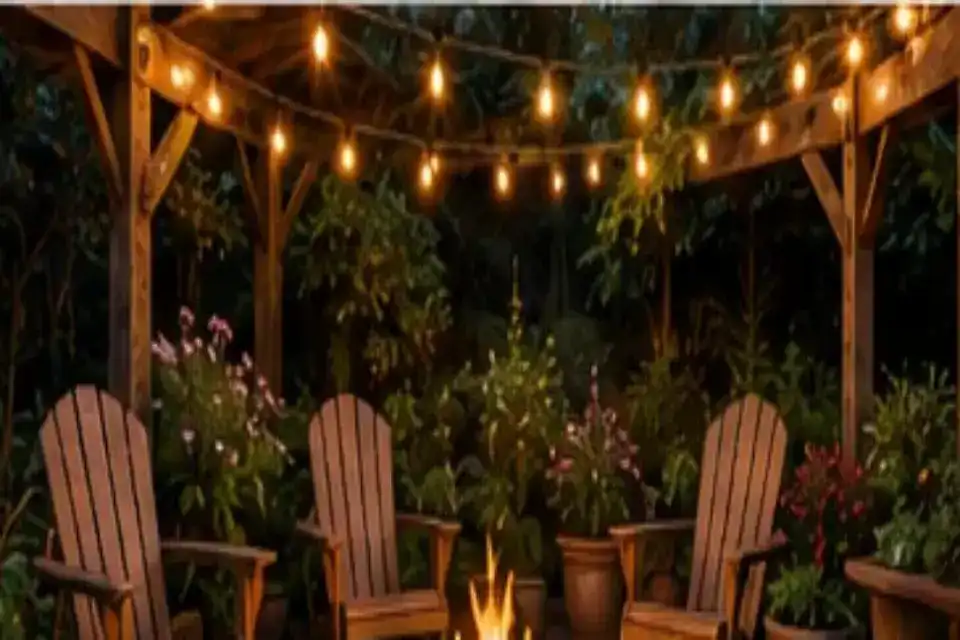
A fire pit can make a backyard feel inviting long after dinner, but the best fire-pit area is designed as an outdoor room rather than a standalone object. Seating distance, wind, circulation, surfaces, and access to the house determine whether the space feels comfortable or cramped.
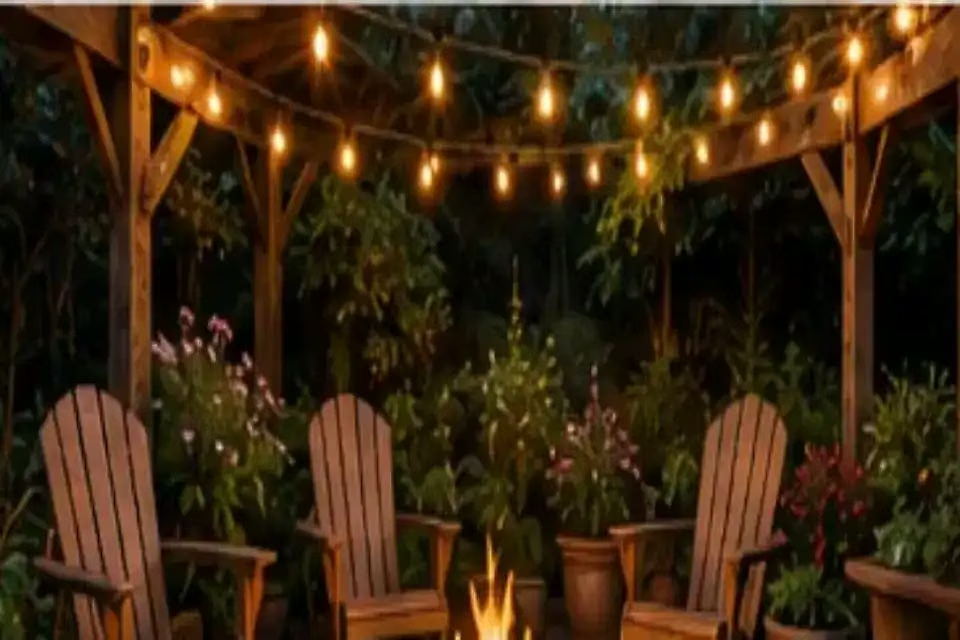
Start with the seating circle
Place the seats first and imagine people using them with drinks, blankets, and small tables. Leave enough room to walk behind the chairs without bumping into people. A perfect circle is not required; the goal is a layout that supports conversation while maintaining clear paths.
Measure the room before choosing a layout: note wall lengths, door swings, window locations, outlets, vents, and the clear path between entrances and frequently used areas. Photograph the current arrangement and identify where people pause or bump into furniture. These real constraints should guide the plan more than a showroom arrangement that assumes unlimited space.
Choose the fire-pit scale last
Once the seating zone is clear, choose a fire pit that fits the scale of the area. A large fire feature can overwhelm a small patio, while a tiny unit may feel disconnected from a large seating group. Think about the heat radius as well as the visual size.
Use material samples and a measured layout before committing to a purchase. Reflective surfaces, dark colors, and large patterns can behave differently in morning and evening light, so view samples in the room. Choose durable finishes where hands, moisture, or cleaning products are common, and avoid pieces that reduce an essential walking route.
Plan the surface
Use a stable, appropriate surface around the fire feature. The exact requirements vary with the fuel type and manufacturer's instructions. Keep flammable materials, loose rugs, and low-hanging plants out of the area where heat could create a problem.
For wind before ambiance, start with actual measurements and the routine the room needs to support. Confirm that doors, drawers, windows, outlets, and walking paths remain usable, then choose pieces that fit the clear space rather than the full wall measurement. Test the arrangement before buying accessories.
Consider wind before ambiance
Wind changes how smoke moves and how comfortable people feel. Observe common wind direction before finalizing the location. A beautiful seating arrangement is less successful when smoke regularly blows toward the house or directly into the main seating zone.
Add lighting that works after the fire is low
Path lighting and low outdoor lights can keep the area usable when the fire is no longer bright enough to illuminate the walkway. Keep lights subtle so the fire remains the visual focus. Use safe, code-compliant electrical installations for permanent fixtures.
Practical checkpoint
Mark the seating footprint with chairs before buying the fire pit. Walk the circulation path from the house to the yard and back. If you cannot move comfortably with the chairs occupied, the layout is too tight.
Keep the whole yard in the composition
The fire pit should feel connected to the garden and patio, not isolated in the middle of the lawn. Use planting, a low wall, or a simple change in surface to define the room. Keep the edges open enough to preserve sightlines and maintenance access.

Plan the route as carefully as the destination
How to Create a Cozy Backyard Fire Pit Area Without Crowding the Patio works best when the path into the space is obvious and comfortable. Use Start with the seating circle to establish the main purpose, then connect it to Choose the fire-pit scale last so seating, circulation, and activity zones support one another.
Balance comfort with the conditions outdoors
Before moving on from How to Create a Cozy Backyard Fire Pit Area Without Crowding the Patio, check surface care again so the next decision fits the existing setup. Then make one adjustment at a time. The ideas under Choose the fire-pit scale last can guide that process without requiring a full redesign.
Make the outdoor room easy to reset
Keep the room workable by building maintenance into the routine: return daily items to their assigned zones, wipe high-touch surfaces with suitable products, and revisit storage when seasonal belongings change. Avoid filling every shelf immediately; some empty capacity makes it easier to reset the room after a busy week and keeps cleaning access open.
Frequently asked questions
How far should seating be from a fire pit?
Follow the fire-pit manufacturer's clearance requirements first. The needed distance depends on the fuel, construction, and local rules.
Can a fire pit sit on a deck?
Only when the specific fire feature and deck installation are designed for that use. Many setups require additional protection or a noncombustible surface. Check the manufacturer's instructions and local code.
What makes a fire-pit area feel cozy?
Comfortable spacing, sheltered seating, low lighting, and a clear path usually matter more than adding more decorative objects.
For balance comfort with the conditions outdoors, start with actual measurements and the routine the room needs to support. Confirm that doors, drawers, windows, outlets, and walking paths remain usable, then choose pieces that fit the clear space rather than the full wall measurement. Test the arrangement before buying accessories.
Review the layout when the household’s routines change rather than waiting until clutter builds up. Check that storage still fits the items it holds, cords remain safely routed, and frequently used objects do not creep into walking paths. Clean finishes according to their care instructions and tighten or secure furniture hardware when needed.
For frequently asked questions, start with actual measurements and the routine the room needs to support. Confirm that doors, drawers, windows, outlets, and walking paths remain usable, then choose pieces that fit the clear space rather than the full wall measurement. Test the arrangement before buying accessories.
Observe how the room is used across a normal day, including where bags collect, which drawers need to open, and where task lighting is missing. Measure the largest pieces and the clearances around them. A small layout sketch with fixed features marked is often enough to identify the main problem before buying storage or replacing furniture.
Compare finishes and furnishings by wear, cleaning, scale, and how they feel in the room’s actual light. Measure the usable dimensions, including the space needed for cabinet doors and drawers to open. Choose storage that keeps everyday objects reachable and seasonal items out of the main path, and confirm that any heavy wall-mounted piece has suitable fixing points.