Recent U.S. coverage citing Google Trends data noted strong search interest in home renovation and home improvement earlier in the year. That broader signal does not mean every homeowner should start a major remodel. Late summer is often better used to finish smaller projects that have already been identified and that make the home easier to live in before fall.
Prioritize projects that remove friction
Fix the door that sticks, the draft that has been ignored, the loose hardware, the damaged wall, or the storage problem that creates clutter every day. A small repair that improves a daily routine can be more valuable than a dramatic decorative project that looks good but changes little.
Choose a small set of tasks that prevent likely seasonal problems: protect vulnerable equipment, clear drainage, clean and dry stored items, and address minor leaks or loose components. Rank the list by safety and by what would be difficult to repair in bad weather. Leave optional appearance projects until the essential maintenance is complete.
Finish exterior work while the weather helps
Small exterior jobs often depend on dry weather. Touching up paint, repairing trim, replacing damaged weatherstripping, or improving a simple exterior path can be easier before colder conditions arrive. Do not rush work that requires curing conditions or structural evaluation.
For exterior work while the weather helps, compare the intended result with the current condition before spending more. Check fit, maintenance, access, and the risk of creating a new problem elsewhere. If inspection reveals structural damage or a safety concern, pause the DIY work and get qualified guidance rather than covering the symptom.
Use a one-weekend rule
If a project can realistically be completed in one weekend, it is easier to schedule and finish. Break larger jobs into smaller stages so you do not leave the household living around an unfinished project for weeks.
Treat a one-weekend rule as a practical decision that needs to work during normal use. Confirm dimensions and compatibility, identify the condition that may cause failure, and make one controlled change at a time. Follow the instructions for the chosen materials and keep service or cleaning access available.
- Define the finished result before buying materials.
- Measure twice and write down dimensions before shopping.
- Choose projects that match your actual skill level.
- Stop and ask for professional help when the work involves structure, electrical systems, gas, or other regulated trades.
Improve the home's comfort before adding decoration
Weatherstripping, window maintenance, ventilation improvements, and simple storage can change how a room feels more than another decorative object. Comfort is often built from a collection of small details that reduce drafts, clutter, moisture, or maintenance effort.
Practical checkpoint
Walk through your home with a notebook and record five annoyances that happen every week. Choose the smallest project that removes one of them and finish it completely.
Know which jobs should not be rushed
Major structural repairs, electrical changes, gas work, significant plumbing, and projects that change load-bearing conditions are not ideal do-it-yourself experiments without appropriate training. Good home improvement includes knowing when the safest next step is a qualified professional evaluation.
Break the project into testable steps
A practical DIY version of Late-Summer Home Improvement Projects That Are Worth Finishing Before Fall starts with a clear first step. Begin with Prioritize projects that remove friction, confirm the existing condition, and then work through Finish exterior work while the weather helps one decision at a time.
Make the finished work look integrated
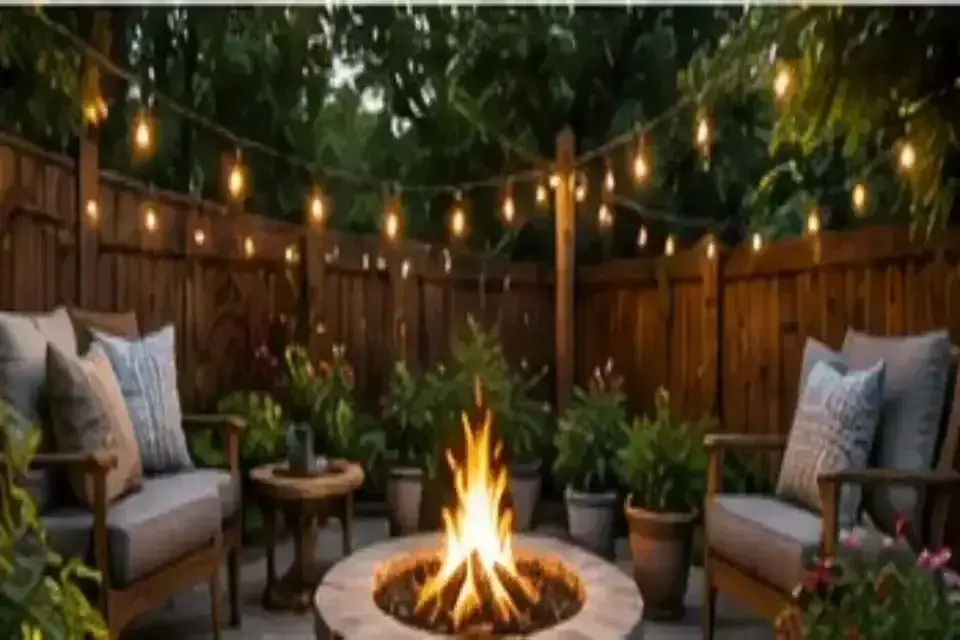
The result usually feels more professional when the small transitions are consistent: clean edges, sensible spacing, hardware that aligns, and a finish that relates to the surrounding home. The discussion of Finish exterior work while the weather helps can serve as a visual checklist. When the supporting details are calm and intentional, a modest project can look like it belonged there from the beginning.
Know when the project is finished
After the main work, return to Use a one-weekend rule and ask whether another change would genuinely improve the result. Live with it briefly under normal use. If the project functions well and the remaining imperfections are minor, stopping can be the better decision than adding complexity.
Frequently asked questions
What is a good first home improvement project?
Choose a small repair or comfort upgrade with a clear finish line, such as weatherstripping, hardware replacement, simple painting, or storage improvements.
Should I start a major renovation in late summer?
Only when the scope, budget, permits, contractors, and timing are already clear. Otherwise, smaller projects may be easier to finish before fall.
Which projects improve comfort the most?
Draft control, moisture management, organization, lighting, and repairs to frequently used doors and windows can have noticeable day-to-day impact.
Treat the finished work look integrated as a practical decision that needs to work during normal use. Confirm dimensions and compatibility, identify the condition that may cause failure, and make one controlled change at a time. Follow the instructions for the chosen materials and keep service or cleaning access available.
For when the project is finished, compare the intended result with the current condition before spending more. Check fit, maintenance, access, and the risk of creating a new problem elsewhere. If inspection reveals structural damage or a safety concern, pause the DIY work and get qualified guidance rather than covering the symptom.
Treat frequently asked questions as a practical decision that needs to work during normal use. Confirm dimensions and compatibility, identify the condition that may cause failure, and make one controlled change at a time. Follow the instructions for the chosen materials and keep service or cleaning access available.
Prioritize maintenance that prevents damage or makes the next season easier to start. A short checklist should reflect the actual climate, materials, and equipment rather than a generic calendar. Record any task you cannot complete safely and arrange professional help before the issue becomes urgent.
Treat exterior work while the weather helps as a practical decision that needs to work during normal use. Confirm dimensions and compatibility, identify the condition that may cause failure, and make one controlled change at a time. Follow the instructions for the chosen materials and keep service or cleaning access available.