Design a small outdoor wellness corner with comfortable seating, shade, privacy, planting, and easy maintenance so it becomes part of your daily routine.
Design for the habit you want
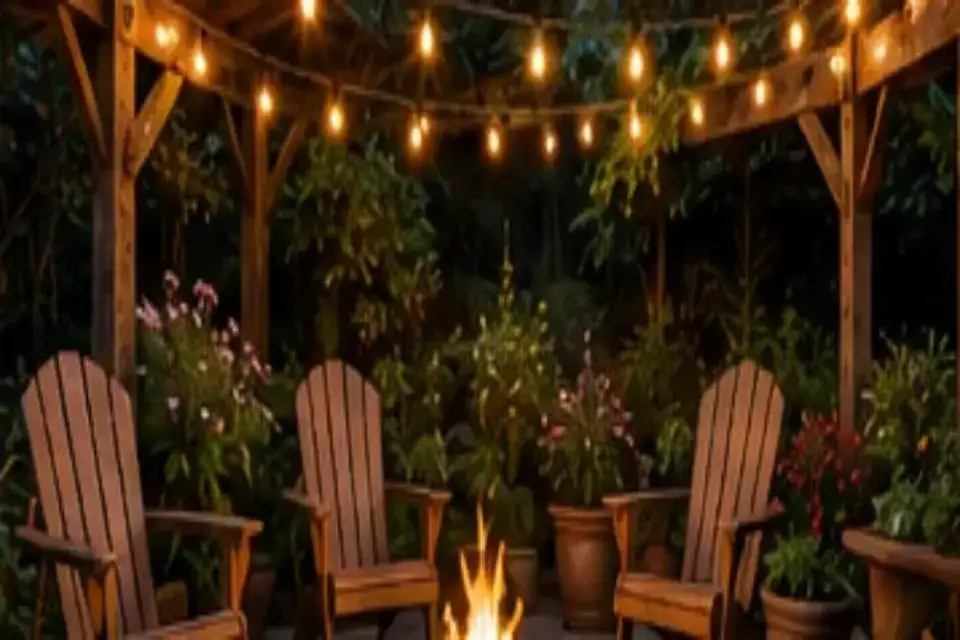
An outdoor wellness corner does not need expensive equipment. It needs a place that makes a useful habit easy to repeat. Decide whether the space is for coffee, stretching, reading, breathing exercises, or simply sitting outside before the day starts.
Put the space close enough to the house that using it feels effortless. A beautiful corner at the far end of the yard may be ignored if getting there takes too much work.
Treat design for the habit you want as a practical decision that needs to work during normal use. Confirm dimensions and compatibility, identify the condition that may cause failure, and make one controlled change at a time. Follow the instructions for the chosen materials and keep service or cleaning access available.
Choose comfortable seating
Comfort determines whether the space becomes part of daily life. A supportive chair, small bench, or lounge seat may be enough. Add a side surface for a mug or book without filling the area with furniture.
Consider the morning sun and seasonal temperature. A seat that is pleasant in July may be too exposed in spring or fall.
Choose replacement parts and materials for the actual system and exposure. Verify clearances, required venting, electrical rating, moisture tolerance, and warranty conditions where applicable. If the work involves a permit, combustion equipment, permanent wiring, refrigerants, or gas, use a qualified professional and follow the relevant local code.
Use planting for privacy and calm
Plants can define the space without creating a hard boundary. Layer shrubs, grasses, and perennials according to the available light and moisture.
Avoid plants that require constant pruning directly beside the seating area. A wellness corner should reduce visual noise and maintenance rather than create another chore.
Treat planting for privacy and calm as a practical decision that needs to work during normal use. Confirm dimensions and compatibility, identify the condition that may cause failure, and make one controlled change at a time. Follow the instructions for the chosen materials and keep service or cleaning access available.
Control sun and weather
Shade is often the difference between a space that looks good and one that gets used. A porch roof, umbrella, pergola, or tree can help. Add weather-resistant textiles only when they can be stored or maintained easily.
Think about wind as well. Lightweight furniture and loose accessories can become maintenance problems or hazards in exposed locations.
For control sun and weather, compare the intended result with the current condition before spending more. Check fit, maintenance, access, and the risk of creating a new problem elsewhere. If inspection reveals structural damage or a safety concern, pause the DIY work and get qualified guidance rather than covering the symptom.
Keep the sensory layer simple
A pleasant outdoor corner can use texture, natural materials, and subtle sound without becoming a theme park. Wood, stone, planting, and gentle water can provide enough sensory interest.
Avoid adding too many scented plants if anyone in the household is sensitive to strong fragrance. Comfort is personal, so design around the people who will actually use the space.
Make the routine frictionless
Keep a small storage basket nearby for a blanket, book, or cushion. Provide easy access to water if plants need it. Keep the floor clear and the seat ready.
The best wellness space is not the most elaborate one. It is the corner that makes it easier to step outside, pause, and enjoy the home you already have.

Common mistakes to avoid
Test the idea before committing
Use the trial for how to create a simple outdoor wellness corner for morning use during an ordinary day and watch the detail that matters most: clearance, reach, light, watering, storage, or seasonal access.
Questions to answer before you buy
Know when to simplify
Frequently asked questions
A realistic weekend plan
Before moving on from How to Create a Simple Outdoor Wellness Corner for Morning Use, check placement again so the next decision fits the existing setup. A small trial of how to create a simple outdoor wellness corner for morning use can reveal whether the larger idea is worth the cost before the full project begins.
Plan the route as carefully as the destination
Balance comfort with the conditions outdoors
Make the outdoor room easy to reset
Practical checkpoint
For How to Create a Simple Outdoor Wellness Corner for Morning Use, the useful checkpoint is to make sure the main idea works under ordinary conditions, not just in the ideal setup. Pay particular attention to choose comfortable seating, then confirm that the result remains easy to use and maintain.
Compare products using their rated performance, dimensions, compatibility, installation requirements, and service access. Check model numbers and manufacturer documentation rather than relying on a similar-looking part. For energy-related upgrades, consider the whole assembly and local climate; improving one component will not compensate for major air leaks, poor controls, or incorrect installation.
For balance comfort with the conditions outdoors, compare the intended result with the current condition before spending more. Check fit, maintenance, access, and the risk of creating a new problem elsewhere. If inspection reveals structural damage or a safety concern, pause the DIY work and get qualified guidance rather than covering the symptom.
Keep a simple service record with dates, filter or part sizes, model numbers, and any recurring symptoms. Clean only the parts identified as user-serviceable and follow the product interval, not a universal schedule. Maintain clearances around equipment and make sure required vents, drains, and shutoffs remain accessible.
For design for the habit you want, compare the intended result with the current condition before spending more. Check fit, maintenance, access, and the risk of creating a new problem elsewhere. If inspection reveals structural damage or a safety concern, pause the DIY work and get qualified guidance rather than covering the symptom.
Compare products using their rated performance, dimensions, compatibility, installation requirements, and service access. Check model numbers and manufacturer documentation rather than relying on a similar-looking part. For energy-related upgrades, consider the whole assembly and local climate; improving one component will not compensate for major air leaks, poor controls, or incorrect installation.