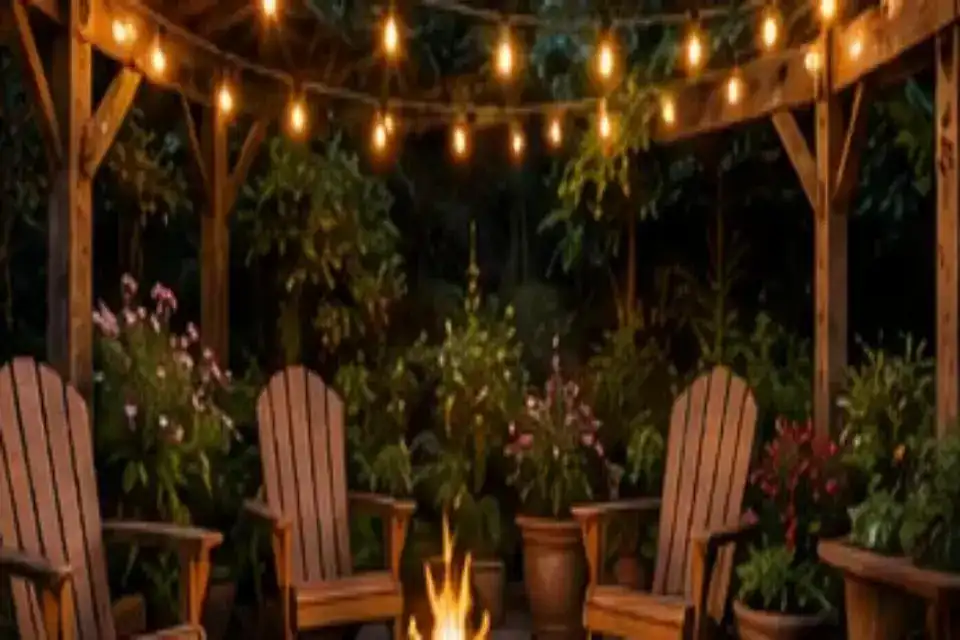
Dream home and garden style does not have to be complicated; through Pergola vs. Gazebo vs. Screened Porch: Choosing the Right Backyard Shade Structure, Dream Home Garden explores how home and garden choices and home garden ideas can feel natural, useful, and personal.
Backyard shade structures all promise the same general benefit, more usable outdoor time, but pergolas, gazebos, and screened porches solve genuinely different problems, and choosing based on looks alone is how homeowners end up with a beautiful structure that doesn't actually fix what was bothering them about the yard. Getting clear on what's driving the decision, whether that's sun, rain, bugs, or just definition of the space, points pretty directly at the right structure.
The core difference is the roof, not the style
A pergola has an open, slatted, or lattice-style roof that filters sunlight without blocking it entirely, and doesn't provide meaningful protection from rain. A gazebo has a solid, permanent roof, offering real shade and rain protection, and is typically a freestanding, often hexagonal or octagonal structure. A screened porch is usually attached to the house, with a solid roof, often an extension of the existing roofline, and screened walls that block insects while keeping airflow. That single distinction, open roof versus solid roof versus solid roof with screened walls, is the one to sort out first, because it rules out or rules in each option faster than comparing styles or price.
Practical checkpoint
Before moving on, make sure The core difference is the roof, not the style is working for the space described in this guide. If that constraint is still unresolved, fix it before adding another layer of detail.
When a pergola is the right call
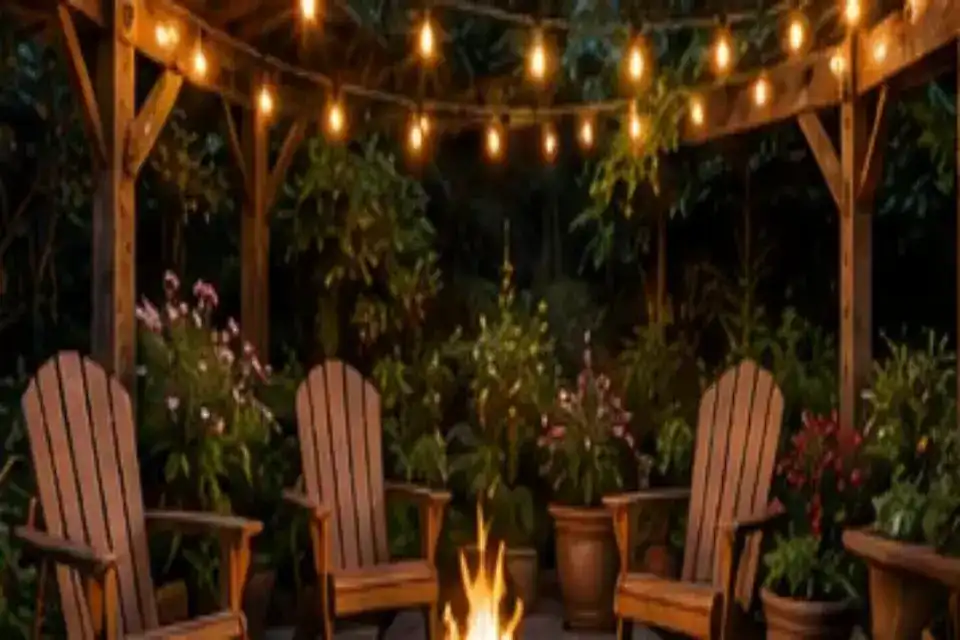
A pergola makes the most sense when the goal is defining a space and softening harsh midday sun rather than fully blocking weather. It's the right choice over a dining table or outdoor kitchen where you mainly use the space in good weather and want an airy, open feel rather than an enclosed one. Pergolas also work well as a support structure for climbing plants like wisteria, climbing roses, or grapevines, which fill in the slatted roof over a season or two and add natural shade that thickens over time.
- Best for: framing a dining or lounge area, supporting climbing plants, adding architectural structure without enclosing the space.
- Weather protection: partial shade only, no meaningful rain protection unless a retractable canopy or louvered top is added.
- Typical cost: generally the least expensive of the three options for a comparable footprint.
When a gazebo is the right call
A gazebo makes sense when the priority is a defined outdoor room that stays usable in light rain and full sun, without being attached to the house. It works well as a standalone destination in a larger yard, near a pool, at the back of a garden, or over a hot tub, where you want a genuine sense of a separate space rather than an extension of the patio. The tradeoff is that a gazebo's enclosed roofline and often its railings can make it feel more like its own destination than a natural extension of daily outdoor living, which is a plus for some yards and a mismatch for others.
- Best for: a defined destination spot away from the house, poolside shade, protecting a hot tub or fire feature from light rain.
- Weather protection: solid shade and light rain protection; most aren't rated for heavy wind or snow load without upgrades.
- Typical cost: moderate, generally more than a comparable pergola, less than a screened porch addition.
When a screened porch is the right call
A screened porch is the right choice when insects, not just sun or light rain, are the actual problem, which makes it the strongest option in much of the humid South and Midwest during warm months. Because it's attached to the house and typically shares the home's roofline, it also tends to read as genuine additional living space rather than a yard feature, and can often be furnished more like an indoor room with rugs, upholstered furniture, and ceiling fans, since it's fully protected from rain and bugs alike.
The question that actually separates these three options isn't which looks best in photos, it's whether bugs, rain, or just harsh sun are the thing keeping you off the patio most often.
Cost and permitting differences worth knowing upfront
Screened porches are generally the most expensive of the three, since they usually involve a permanent foundation, tie into the home's structure and roofline, and often require a building permit and inspection given the structural connection to the house. Gazebos, particularly larger or elaborate ones, may also require a permit depending on local code and size, while smaller pergolas often fall under permit thresholds, though this varies significantly by municipality and it's worth checking before ordering materials.
Check before you build
Permit requirements, setback rules from property lines, and HOA restrictions on structure height and style vary widely by location. A quick call to the local building department before finalizing plans avoids a costly redo.
Can you combine approaches?
Many homeowners end up wanting more than one solution over time, and it's common to add a retractable canopy or shade sail to a pergola for occasional rain protection, or to add mosquito curtains to a gazebo for bug control without the cost of a full screened structure. These hybrid upgrades are worth considering if you're not fully certain which single structure fits, since they let you start simpler and add functionality once you know how the space actually gets used.
Plan the route as carefully as the destination
Pergola vs. Gazebo vs. Screened Porch works best when the path into the space is obvious and comfortable. Use The core difference is the roof, not the style to establish the main purpose, then connect it to When a pergola is the right call so seating, circulation, and activity zones support one another. Keep the most-used route clear, and allow enough space for chairs to move, people to pass, and doors or gates to operate normally.
Practical checklist before you finish
Before you finish work on Pergola vs. Gazebo vs. Screened Porch: Choosing the Right Backyard Shade Structure, use a short final pass to check the main constraint, everyday access, dimensions or conditions, visual balance, and the amount of maintenance the finished result will require.
- Confirm the main goal is still clear.
- Check dimensions, access, and everyday circulation.
- Leave enough space for normal use and future growth.
- Remove details that add work without improving the result.
Frequently asked questions
Which option adds the most home value?
A screened porch, particularly one that reads as genuine additional living space, tends to add the most resale value since it's viewed as expanded square footage rather than a standalone yard feature, though actual return varies significantly by region and market.
Can I add a roof to an existing pergola later to get more weather protection?
Yes, in many cases: retractable canopies, louvered roof panels, and shade sails can all be retrofitted to an existing pergola frame, though it's worth confirming the structure's posts and beams are sized to handle the added weight and wind load before installing anything heavy.
Do gazebos need a permanent foundation?
It depends on size and local code; smaller gazebos are sometimes installed on a paver or gravel base without a poured foundation, while larger structures typically need a proper footing, especially in regions with significant snow load or high wind.
Keep reading
Continue with these related Dream Home & Garden guides: