
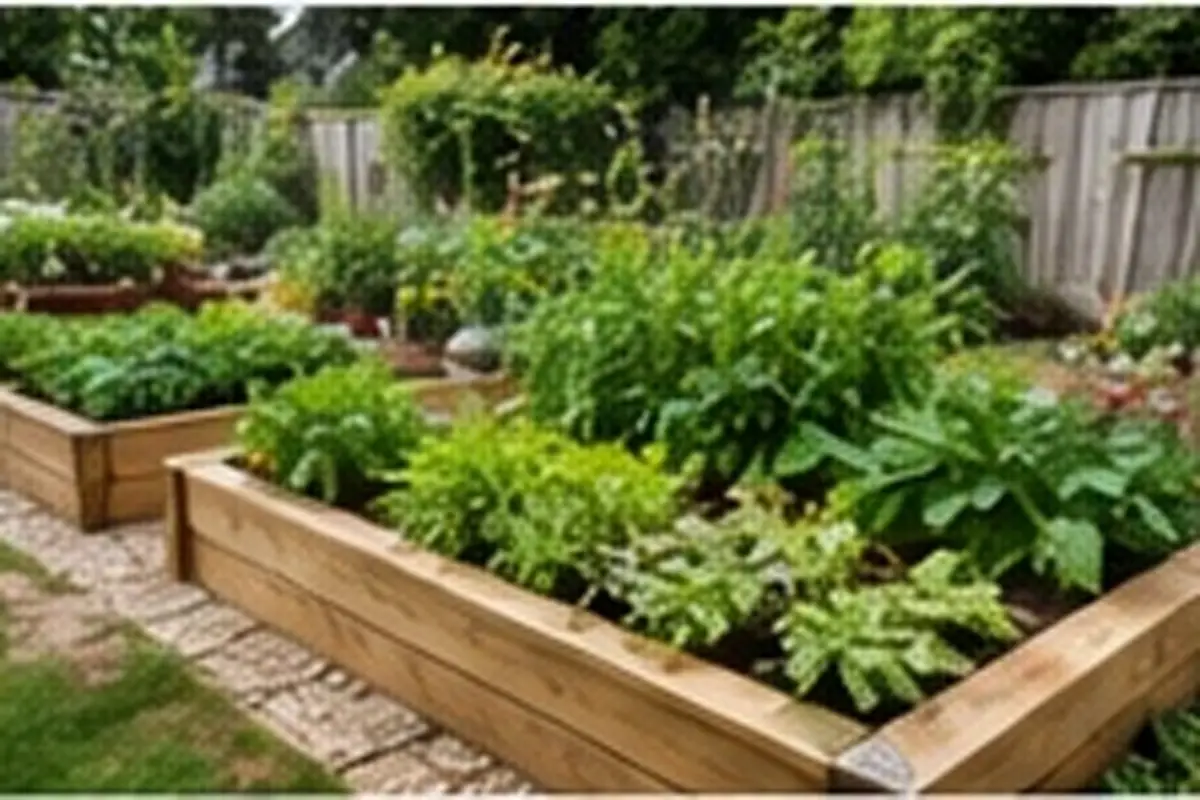
Raised bed gardening has become the default recommendation for new gardeners for good reason — it solves several of the most common obstacles to a successful first garden simultaneously: poor native soil, drainage problems, and an unclear boundary that keeps a first garden from sprawling past what's manageable.
Why a raised bed outperforms ground-level planting for most beginners
A raised bed lets you fill it with quality soil from the start, entirely sidestepping poor native soil, heavy clay, or contaminated urban soil that would otherwise need extensive amendment. It drains better than most ground-level beds by design, reducing root rot risk in wetter climates. It also warms up faster in spring than ground-level soil, extending the usable growing season on both ends. For a first garden especially, these combined advantages consistently produce better results with less troubleshooting than planting directly in the ground.
Practical checkpoint
Before moving on, make sure Why a raised bed outperforms ground-level planting for most beginners is working for the space described in this guide.
Choosing a size that stays manageable
A bed no wider than 4 feet lets you reach the center from either side without stepping into the growing area and compacting the soil — a detail that matters more than it initially seems, since compacted soil undoes much of a raised bed's drainage advantage. Length is more flexible and can run as long as the space allows, though multiple 4-by-8-foot beds are often more practical than one very long bed, since they let you rotate crops and manage smaller sections independently.
Choosing bed material
- Untreated cedar or redwood — naturally rot-resistant, safe for edible gardens, moderate cost, typically lasts 10 to 15 years.
- Pressure-treated lumber — less expensive and longer-lasting than untreated wood, though some gardeners prefer to avoid it for edible beds given older treatment chemicals' history, despite modern treatments being considered safer.
- Composite or recycled plastic lumber — higher upfront cost, very long lifespan, no rot concern at all.
- Concrete blocks or stone — permanent, very durable, higher upfront cost and effort, but essentially maintenance-free once built.
- Galvanized metal — increasingly popular for its clean look and long lifespan, though it can heat up more than wood in full summer sun.
A raised bed isn't just a nicer-looking way to garden — it's a genuinely different, more forgiving growing environment than ground-level soil.

Depth matters more than most first-time builders expect
A minimum depth of 8 inches works for many shallow-rooted vegetables (lettuce, herbs, most greens), but root vegetables (carrots, potatoes) and larger plants (tomatoes, squash) genuinely benefit from 12 inches or more. Building deeper than the strict minimum gives more flexibility in what you can grow without needing a second, deeper bed later.
Filling a raised bed without overspending
Filling a bed entirely with bagged garden soil gets expensive fast for anything beyond a small bed. A commonly used, more economical approach layers coarser organic material (untreated wood chips, straw, or fall leaves) in the bottom third, with quality garden soil and compost filling the remaining depth — sometimes called 'hugelkultur-lite' — which reduces the total volume of purchased soil needed while the bottom layer breaks down over time and continues improving the bed's soil quality.
Position for sun, not just convenience
It's tempting to place a raised bed wherever is most convenient near a patio or back door, but most vegetables genuinely need six or more hours of direct sun daily to produce well. Track sunlight across your intended location for a full day before finalizing placement, even if it means the bed ends up further from the house than originally planned.
First-season plant suggestions for a new raised bed
Bush beans, cherry tomatoes, leaf lettuce, and zucchini are all well suited to raised bed conditions and forgiving enough for a first-time gardener to have real success with in the bed's first season.

Plan for irrigation from the start
Raised beds drain well, which is generally an advantage but also means they can dry out faster than ground-level soil, particularly in hot weather. Installing simple drip irrigation or a soaker hose at the time of building, rather than retrofitting it later, makes consistent watering considerably easier to maintain through a full growing season.
Raised beds and composting work naturally together
Filling and topping off a raised bed is one of the best uses for finished compost, since a raised bed's contained volume means compost gets concentrated exactly where roots need it rather than spread thin across an entire yard. See our guide to starting composting at home for how to build a system sized to keep a raised bed topped up each season, which is considerably more cost-effective over time than buying bagged soil amendments every year.
Raised beds solve accessibility, not just soil quality
Beyond soil control, a raised bed built at counter height, roughly 24 to 36 inches, removes the need to kneel or bend for gardeners with mobility limitations, back issues, or simply a preference for gardening in a more comfortable position. This height also naturally deters some pets and reduces certain pest pressure, since many common garden pests are less inclined to climb into an elevated bed than to wander into a ground-level one.
Frequently asked questions
How much does it cost to build a basic raised bed?
Costs vary significantly by material and size, but a modest cedar bed built from a few boards, plus fill soil, is one of the more accessible entry points into gardening compared to larger-scale ground preparation, tilling equipment, or extensive soil amendment for a comparable ground-level plot.
Can I put a raised bed directly on concrete or a patio?
Yes, with a deep enough bed (at least 12 inches, since roots can't extend into ground soil below) and, ideally, a layer of gravel or landscape fabric at the base for drainage, since water can't drain into the ground the way it would with a bed built directly on soil.
How often does raised bed soil need to be replenished?
Topping off with a few inches of fresh compost each spring generally maintains a raised bed's fertility well, without needing to fully replace the soil, since organic matter naturally settles and breaks down over each growing season.
Do raised beds need to be lined at the bottom?
For a bed built on soil, a bottom liner isn't necessary and can actually block beneficial drainage and worm activity between the bed and native soil below. Landscape fabric on the bottom is mainly useful for suppressing weeds or grass growing up into the bed, not as a required structural layer.