

Tabletop gardens turn a small surface into a productive growing zone. Here is how to choose containers, plants, light, and watering routines that work in everyday homes.

Pick a stable surface
Use a table, bench, plant stand, or sturdy counter that can safely carry wet soil and containers. Leave enough room to reach each plant without moving the entire arrangement.
Build around useful plants
Kitchen herbs are a natural fit because basil, parsley, thyme, chives, and mint can be harvested often. Add compact flowers or foliage plants when the goal is more decorative than edible.
Control moisture
Tabletop containers have limited soil volume, so moisture swings are faster. Choose pots with drainage, protect wood surfaces with trays, and check the soil rather than watering by the calendar.
Plan for light
A bright kitchen window may work for herbs, while a shaded patio table may need shade-tolerant foliage. Rotate containers occasionally so growth stays even.
Keep the arrangement easy to use
The best tabletop garden is one you can reach without effort. Put frequently harvested herbs closest to the edge and taller plants toward the back.
Make the trend work for your home
Keep a Tabletop Garden at the Right Scale
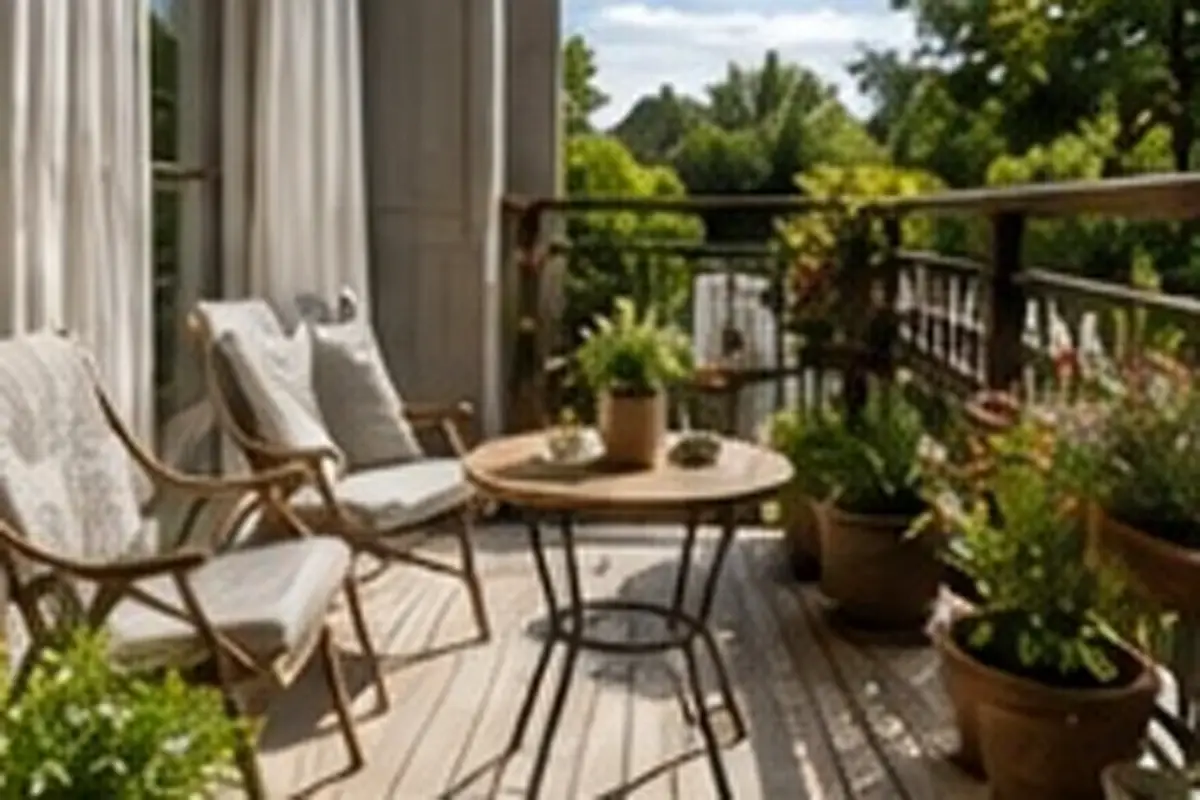
Tabletop gardening works when the arrangement fits the surface and the activity around it. On a kitchen table, keep containers low enough that conversation and serving space remain comfortable. On a patio, allow for wind, sun exposure, and the possibility of water reaching nearby furnishings. Use a tray under smaller pots so the entire arrangement can be moved at once when the table needs to be cleared. Group plants with similar care needs and leave a little room between foliage so the grouping does not become a damp, crowded mass. Decorative objects should support the planting rather than compete with it, especially on small surfaces. A useful seasonal approach is to change one or two elements instead of rebuilding the whole display. When a plant finishes, replace it without disturbing the rest of the arrangement. The best tabletop garden feels like part of the room it sits in: visually fresh, easy to move, and practical enough to survive the normal routine of meals and gatherings.
Frequently asked questions
Keep reading
A closer look at Tabletop Garden Ideas for a Kitchen, Patio, or Sunny Windowsill
For tabletop Garden Ideas for a Kitchen, Patio, or Sunny Windowsill, check the growing conditions before making a change. Light, moisture, root space, soil structure, and mature size interact, so adjust the factor most likely to be limiting the plant or bed first. Use labels or local extension guidance for region-specific details and avoid extra fertilizer or frequent watering without a clear reason.
Tabletop gardens turn a small surface into a productive growing zone. Here is how to choose containers, plants, light, and watering routines that work in everyday homes.
Pick a stable surface
Use a loose, container-appropriate potting mix and ensure excess water can escape through open drainage holes. Match the pot size to root growth and watering habits; avoid moving a small root system into a container that stays saturated for days. Where several plants share a pot, choose species with similar light and moisture requirements.
Compare pots by drainage, weight, stability, insulation from heat, and ease of moving—not appearance alone. Dark containers and exposed paving can get very hot, while shallow pots can dry quickly in wind. Select the growing mix for the plant’s needs and avoid using ordinary garden soil by itself in most containers, where it can compact.
Build around useful plants
Change one thing at a time: clear blocked drainage, refresh compacted mix if needed, then adjust placement and watering. Water slowly until the root zone is evenly moist and excess can drain. Let the pot settle before feeding, and follow the plant’s care guidance rather than adding fertilizer to compensate for stress caused by heat or poor roots.
Prepare the pot before moving the plant: clean the container, check the holes, and moisten dry potting mix lightly so it does not repel water. Set the plant at the same depth it previously grew, fill around the root ball, and water thoroughly. Monitor moisture closely after the move because a new pot and location change the drying rate.
Control moisture
Use a loose, container-appropriate potting mix and ensure excess water can escape through open drainage holes. Match the pot size to root growth and watering habits; avoid moving a small root system into a container that stays saturated for days. Where several plants share a pot, choose species with similar light and moisture requirements.
Compare pots by drainage, weight, stability, insulation from heat, and ease of moving—not appearance alone. Dark containers and exposed paving can get very hot, while shallow pots can dry quickly in wind. Select the growing mix for the plant’s needs and avoid using ordinary garden soil by itself in most containers, where it can compact.
Plan for light
Use a loose, container-appropriate potting mix and ensure excess water can escape through open drainage holes. Match the pot size to root growth and watering habits; avoid moving a small root system into a container that stays saturated for days. Where several plants share a pot, choose species with similar light and moisture requirements.
Compare pots by drainage, weight, stability, insulation from heat, and ease of moving—not appearance alone. Dark containers and exposed paving can get very hot, while shallow pots can dry quickly in wind. Select the growing mix for the plant’s needs and avoid using ordinary garden soil by itself in most containers, where it can compact.
Keep the arrangement easy to use
Change one thing at a time: clear blocked drainage, refresh compacted mix if needed, then adjust placement and watering. Water slowly until the root zone is evenly moist and excess can drain. Let the pot settle before feeding, and follow the plant’s care guidance rather than adding fertilizer to compensate for stress caused by heat or poor roots.
Prepare the pot before moving the plant: clean the container, check the holes, and moisten dry potting mix lightly so it does not repel water. Set the plant at the same depth it previously grew, fill around the root ball, and water thoroughly. Monitor moisture closely after the move because a new pot and location change the drying rate.
Make the trend work for your home
For the trend work for your home, check the growing conditions before making a change. Light, moisture, root space, soil structure, and mature size interact, so adjust the factor most likely to be limiting the plant or bed first. Use labels or local extension guidance for region-specific details and avoid extra fertilizer or frequent watering without a clear reason.
Let the site and the plant’s needs guide the trend work for your home. Observe how the area behaves after watering and rain, leave room for mature growth, and keep access for weeding and inspection. If the same problem returns, reassess drainage, light, or soil conditions before repeating the same treatment.
Check the finished result
After watering, check the drainage outlet and the moisture a little below the surface. Leaves should not remain wilted from a dry root ball, but persistent wetness can also signal that oxygen is limited. Make small adjustments to location or schedule, and wait long enough to see the effect before repotting or applying more products.
Test the setup through an ordinary warm day and after watering. Watch for water running down the sides without soaking the mix, pots tipping in wind, and saucers holding water for long periods. If the plant declines, compare light, temperature, and root condition before assuming it needs a different fertilizer or more water.
Plan for maintenance and change
Recheck containers as weather changes, since a watering routine that works in mild conditions may be too little in heat or too much during cool, cloudy days. Remove dead foliage, keep drainage holes clear, and feed only according to plant needs and product directions. Refresh or replace mix when it breaks down or no longer drains well.
In the context of Tabletop Garden Ideas for a Kitchen, Patio, or Sunny Windowsill, the durability detail should be reviewed alongside the space, materials, and routine already described. In the context of Tabletop Garden Ideas for a Kitchen, Patio, or Sunny Windowsill, the durability detail should be reviewed alongside the space, materials, and routine already described.