
The window before a region's first hard freeze is arguably the single highest-leverage stretch of home maintenance in the entire year — a handful of straightforward tasks completed in that window prevent the majority of the most common, most expensive winter home emergencies, particularly burst pipes and heating system failures.
Protect exterior water sources first
Disconnect and drain garden hoses, and shut off water to exterior spigots using an interior shutoff valve if your home has one, then drain the remaining water from the exterior line. A hose left connected over winter can trap water in the spigot and pipe behind it, and that trapped water freezing is one of the more common, entirely preventable causes of a burst outdoor pipe. In regions with genuinely severe winters, an in-ground sprinkler system also needs its lines blown out with compressed air before the first freeze, a job most irrigation companies offer as a seasonal service, since standing water left in supply lines expands as it freezes and can crack fittings and pipe sections underground.
Practical checkpoint
Before moving on, make sure Protect exterior water sources first is working for the space described in this guide.
Insulate exposed pipes in unheated spaces
Pipes running through an unheated garage, crawl space, or basement rim joist area are at real risk of freezing during a hard cold snap. Foam pipe insulation sleeves are inexpensive and simple to install, and for pipes in particularly vulnerable locations, a pipe heating cable offers additional protection during extreme cold events. Cabinet doors under sink basins on exterior walls are also worth opening during a hard freeze specifically, since this lets warmer household air reach pipes that would otherwise sit in a small, poorly insulated enclosed space.
Service the heating system before you actually need it
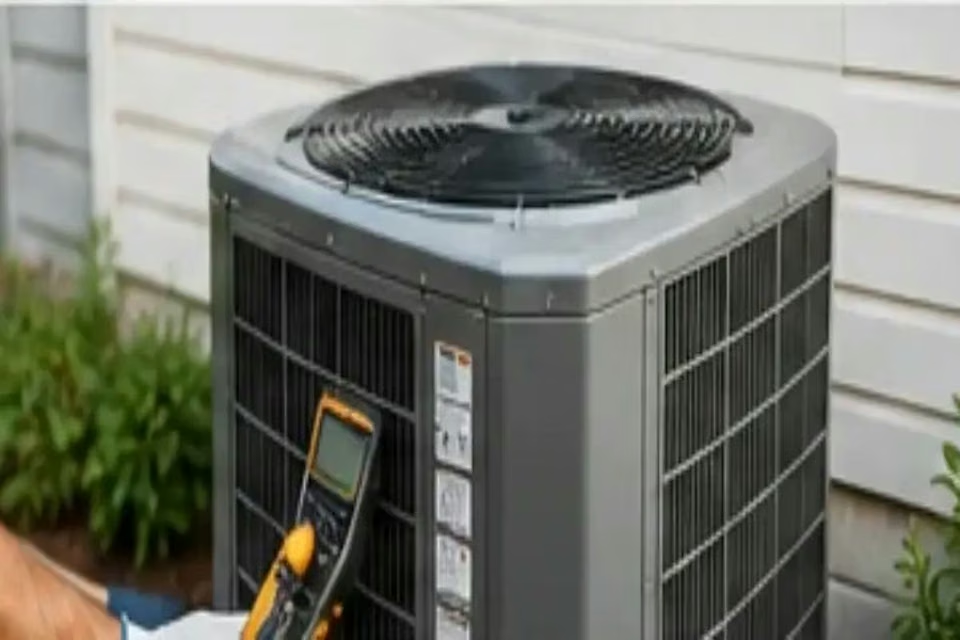
Replace furnace filters and schedule a professional heating system tune-up before the season's first genuinely cold night, rather than discovering a problem during it. Also test carbon monoxide detectors specifically at this point in the year if you have gas or oil heat, since a malfunctioning combustion appliance poses meaningfully more risk once it's running continuously through winter.
Nearly every winter home emergency — burst pipes, heating failure, ice dam damage — has a well-documented, inexpensive prevention step. The problem is almost always timing, not knowledge.
Check attic insulation and ventilation together
These two factors work together to prevent ice dams — insufficient insulation lets heat escape into the attic, which melts roof snow that then refreezes at the colder eaves, and poor ventilation compounds the problem by trapping that escaped heat rather than venting it. Confirming both adequate insulation depth and clear soffit and ridge ventilation before winter meaningfully reduces ice dam risk.
Seal drafts around windows and doors
A simple hand-check on a windy day, or a lit candle's flicker held near window and door frames, can reveal drafts that aren't otherwise obvious. Weatherstripping and caulking are inexpensive fixes that meaningfully reduce heating costs and improve comfort through the coldest months, and they're considerably easier to install before the weather turns genuinely cold.
Prepare for power outages before you're in one
Winter storms are a leading cause of power outages in much of the U.S. Having a plan — flashlights with working batteries, a battery-powered or hand-crank radio, an emergency supply kit, and a plan for keeping pipes from freezing during an extended outage without heat — is far easier to assemble calmly in advance than to improvise during an actual outage.
If you'll be away from home during a cold spell
Never turn heat off completely in a home you'll be away from during freezing weather — set it to a minimum safe temperature, generally around 55°F, to prevent pipes from freezing while you're gone.
Don't forget the garden and outdoor equipment
Drain and store any irrigation systems, bring in or cover outdoor furniture cushions, and winterize any garden equipment with a gas engine according to manufacturer instructions (typically running the tank dry or adding a fuel stabilizer) to prevent issues when it's time to use it again in spring.
Have the chimney inspected if you'll use a fireplace or wood stove
A chimney that hasn't been used since last winter can accumulate creosote buildup, debris, or even animal nests over the off-season, all of which are fire or ventilation hazards once you start burning fires again. A professional chimney sweep and inspection before the first fire of the season catches these issues, and is a standard, inexpensive precaution that many homeowners skip simply because it's easy to forget until the first cold night arrives and the fireplace is already needed.
Check your homeowner's insurance coverage before winter, not after a claim
Winter is when burst pipes, ice dam damage, and heating system failures generate the most home insurance claims of the year, which makes late fall a reasonable time to confirm coverage actually matches current needs, particularly for any recent renovations or added valuables that may not be reflected in an older policy. A quick call to confirm deductibles and coverage limits costs nothing and avoids an unpleasant surprise during an already stressful claim.
Use the seasonal transition as a reset point
Winterizing Your Home is easier when related jobs are grouped around the change in season. Start with Protect exterior water sources first, then move into Insulate exposed pipes in unheated spaces while the conditions still make the work practical.
Frequently asked questions
What's the single most important winterizing task if I only have time for a few?
Draining and shutting off exterior water sources, and confirming the heating system works reliably before you genuinely need it — these two address the two most common and most disruptive winter home emergencies (burst pipes and heating failure).
How do I know if my pipes are actually at risk of freezing?
Pipes running through unheated or minimally heated spaces — garages, crawl spaces, exterior walls in older homes — are at meaningfully higher risk than pipes in the home's heated interior. If you're unsure which category a specific pipe run falls into, a quick check during a cold snap (feeling the pipe's temperature, or watching for unusually slow water flow, an early warning sign) can help identify problem areas before a full freeze.
Is it worth having a plumber do a pre-winter inspection?
For an older home, a home with a history of freezing issues, or simply peace of mind, a plumber's inspection specifically checking pipe insulation and shutoff valve function before winter is a reasonable and relatively inexpensive precaution compared to the cost of repairing a burst pipe and any resulting water damage.