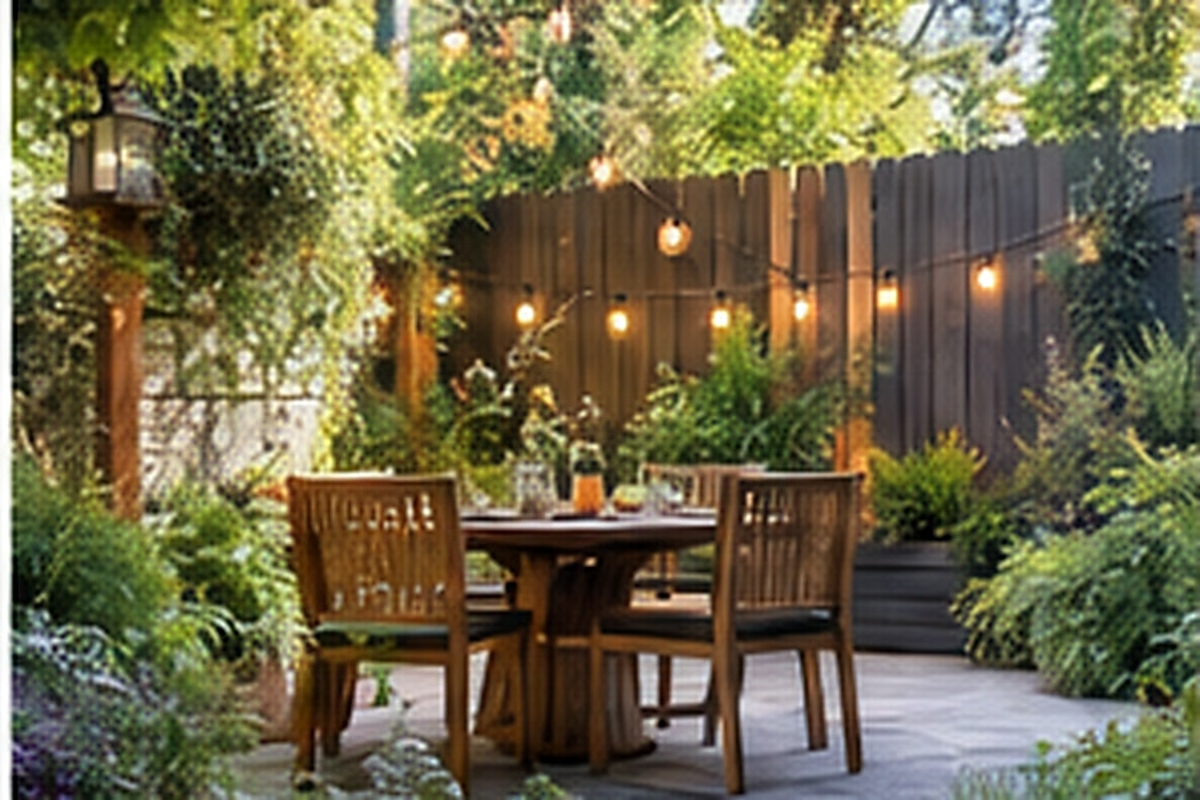
Refresh a patio for cooler evenings by changing furniture placement, circulation, lighting, and accessories instead of replacing everything.
Start with how you will use the patio in fall
A summer patio often assumes longer daylight, lighter clothing, and different traffic patterns. In fall, people may gather closer to the house, sit near a fire feature, or want a table that works for an early dinner before it gets chilly. Instead of shopping first, define the main fall activity. Do you need two comfortable seats for coffee, a conversation group for guests, or a dining zone? Once that job is clear, move the furniture to support it. The biggest improvement often comes from reducing the number of pieces competing for the same space.
Clear the walking route before styling the seating
Circulation is the part of patio design people notice only when it is bad. Keep a clear route from the door to the main seating area, grill, steps, and yard. Mark the proposed furniture footprints with painter’s tape or simply move one piece at a time and walk through the space. Do not create a beautiful seating island that blocks the route to the trash bin or garden gate. Fall weather also means leaves, wet surfaces, and jackets may make movement less forgiving. A little extra space around the main route can make the whole patio feel calmer.
Move seating toward the most useful fall focal point
In summer, furniture may be centered on a view or a dining table. In fall, the most useful focal point can shift to a fire pit, a covered area, a warm light source, or the view of the garden as it changes. Turn chairs toward that focal point without trapping them in a tight circle. Two chairs angled slightly toward each other can feel more conversational than four chairs lined up against a wall. Use the existing pieces and test the angle by sitting in them. Comfort should win over symmetry.

Layer warmth without filling every surface
Fall styling does not require turning the patio into a storage pile. Add a small number of useful layers: an outdoor-rated cushion where appropriate, a washable throw brought outside only when in use, a planter with seasonal foliage, or a lantern placed safely away from traffic. The color palette can echo the garden rather than introducing a completely new theme. Keep wet-weather materials in mind and follow care instructions for every textile or finish. The goal is to make the space inviting while keeping it easy to reset when weather changes.
Use lighting to make the rearrangement feel intentional
Furniture can look like it belongs in a new position once the evening lighting supports it. Use existing landscape or patio lighting where possible, and prioritize safe illumination of steps and walking routes. A few low, warm points of light can help define a conversation zone without making the whole yard equally bright. Keep cords and fixtures away from water and traffic, and follow the instructions for outdoor-rated products. Lighting is especially helpful in fall because the usable daylight window becomes shorter.
Give the table a smaller, clearer job
A large dining table can dominate a compact patio. When the household is not eating outside every night, consider whether the table should move to the side or serve as a flexible prep and dining surface. Keep enough room to pull chairs out comfortably. If the table is rarely used in fall, shifting it away from the main conversation area can open the patio without removing it. Think in terms of real activities rather than “matching furniture.” A room feels bigger when furniture supports fewer, clearer jobs.
Protect the patio from the weather you actually get
Fall weather varies enormously across the United States. Coastal moisture, dry mountain air, early freezes, rain, wind, and leaf drop all change how outdoor furniture behaves. Follow the care guidance for each furniture material. Keep cushions dry when the manufacturer recommends it. Clean leaves from surfaces before they stain or trap moisture. If a piece is not designed for the exposure it receives, move or cover it according to the manufacturer’s guidance. A rearrangement is also a good moment to identify which pieces should spend part of the season under cover.
Judge the new layout at the end of a real evening
Do not decide from a midday photograph alone. Use the patio for a normal evening. Sit in the chairs, carry a plate from the kitchen, walk to the gate, and turn on the lights. Notice where people naturally stop. If everyone keeps pulling a chair closer to the house or moving around a table, the layout is giving you evidence. Make one small adjustment, then test again. This trial-and-adjust approach can create a better fall patio than replacing everything at once.
Practical checkpoint
Run a 15-minute “real evening test”: walk from the kitchen to the patio with a drink, sit in every main seat, turn on the existing lights, and return inside. Any awkward turn or blocked route is more useful information than a styling photo.
Frequently asked questions
How do I make a small patio feel bigger in fall?
Reduce visual clutter, keep a clear walking route, and group furniture around one primary activity instead of filling every open area.
Should patio furniture face the house or the yard?
It depends on how the space is used. Aim seating toward the focal point people actually enjoy while keeping circulation easy.
Do I need new fall patio furniture?
Not necessarily. Rearranging existing pieces, improving circulation, and adding a few practical seasonal layers can change the feel significantly.
Keep the room workable by building maintenance into the routine: return daily items to their assigned zones, wipe high-touch surfaces with suitable products, and revisit storage when seasonal belongings change. Avoid filling every shelf immediately; some empty capacity makes it easier to reset the room after a busy week and keeps cleaning access open.
Use material samples and a measured layout before committing to a purchase. Reflective surfaces, dark colors, and large patterns can behave differently in morning and evening light, so view samples in the room. Choose durable finishes where hands, moisture, or cleaning products are common, and avoid pieces that reduce an essential walking route.