Use planting, spacing, and a little structure to soften the look of exterior utility equipment without blocking access.

Measure the clearance before planting
Utility boxes and service equipment need access. Note the door swing, working clearance, and any local requirements before choosing plants or structures. Do not cover a box simply because it looks better from the street.
Use layered planting rather than one solid wall
A low evergreen, a few perennials, and seasonal texture can soften the view without creating a dense hedge. Layering also makes the planting look more like intentional landscape design than a screen added as an afterthought.
Keep roots and mature size in mind
Choose plants for their mature dimensions, not their size at the garden center. Avoid species likely to crowd the equipment, interfere with access, or require constant cutting to stay clear.
Create a clear service path
A narrow mulch or gravel strip can visually frame the utility area while leaving a practical route for maintenance workers. The goal is camouflage from normal viewing angles, not total concealment.
A simple final check
Call your local utility before installing anything close to service equipment so the landscape solution does not create a maintenance problem.
Work from the public view inward
Start by looking at the house from the street, sidewalk, and driveway. Note the elements that dominate first: the entry door, porch, driveway edge, large utility equipment, or an empty planting bed. Solve the strongest visual issue before adding small decorations.
Respect mature scale
Landscape screening and curb-appeal improvements should be planned around mature plant size and the true circulation path. A young shrub may look perfect at the nursery and become an obstruction later. Leave service, sightline, and parking clearance from the beginning.
Repeat materials and shapes
A front yard feels more finished when two or three materials recur. Repeat a stone tone, metal finish, or plant shape from the entry to the driveway edge rather than adding a different material for every detail.
Check the view at night
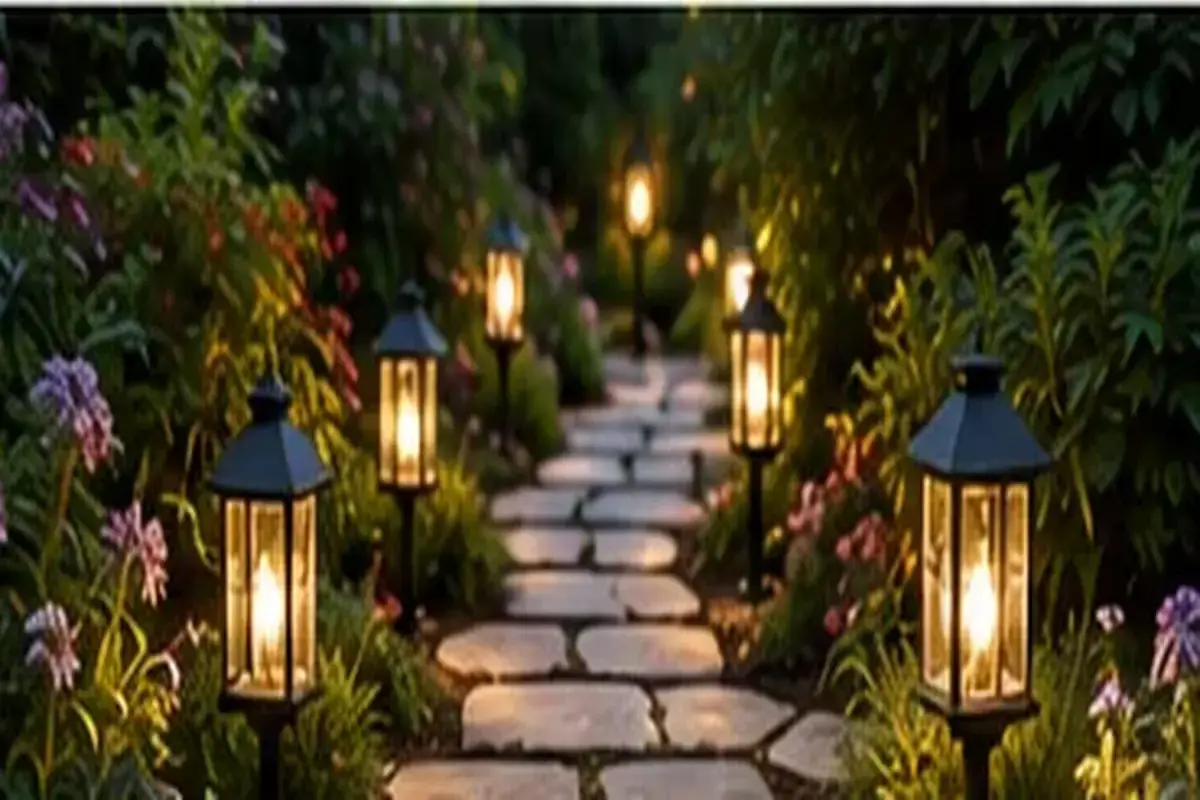
Lighting, shadows, and glare can change the appearance of a front yard after sunset. Walk the approach at night and look from the street before finalizing fixtures or bright accents. Good curb appeal should still feel comfortable when the natural light is gone.
Favor improvements that stay easy to maintain
A polished entry that needs constant trimming or daily sweeping will lose its appeal. Choose edging, plants, and fixtures that fit the time you realistically have for maintenance. A simpler landscape kept in good condition usually looks better than a complicated one that is neglected.
More from DreamHomeGarden: read this related guide
Practical notes for living with the result
Draw the circulation path
For how to hide utility boxes with simple landscape design, the most useful test is what happens during an ordinary week.
Test the furniture footprint
For how to hide utility boxes with simple landscape design, the most useful test is what happens during an ordinary week.
Connect the zones visually
For how to hide utility boxes with simple landscape design, the most useful test is what happens during an ordinary week.
Live with the arrangement before adding more
For how to hide utility boxes with simple landscape design, the most useful test is what happens during an ordinary week.
A quick implementation plan
Practical checkpoint
For How to Hide Utility Boxes With Simple Landscape Design, the useful checkpoint is to make sure the main idea works under ordinary conditions, not just in the ideal setup. Pay particular attention to use layered planting rather than one solid wall, then confirm that the result remains easy to use and maintain.
Frequently asked questions
Keep reading
Practical details for How to Hide Utility Boxes With Simple Landscape Design
Use planting, spacing, and a little structure to soften the look of exterior utility equipment without blocking access.
Use the actual weather and use pattern to assess practical details for How to Hide Utility Boxes With Simple Landscape Design. Look for slipping, movement, erosion, or water collecting where it should not. Choose a repair that addresses the cause, follow manufacturer instructions, and get professional advice when the work affects structure, grading near a building, or regulated services.
Measure the clearance before planting
Before moving on from How to Hide Utility Boxes With Simple Landscape Design, check workflow again so the next decision fits the existing setup. In the context of Measure the clearance before planting, check layout, access, materials, upkeep, and everyday use before choosing the final arrangement.
For how to hide utility boxes with simple landscape design, keep the next action small enough to verify. Measure or inspect the part affected by “measure the clearance before planting”, make the change, and then look again at the surrounding home or garden project.
Use layered planting rather than one solid wall
For How to Hide Utility Boxes With Simple Landscape Design, use placement as the next check and compare it with the existing conditions described above. In the context of Use layered planting rather than one solid wall, check layout, access, materials, upkeep, and everyday use before choosing the final arrangement.
For how to hide utility boxes with simple landscape design, keep the next action small enough to verify. Measure or inspect the part affected by “use layered planting rather than one solid wall”, make the change, and then look again at the surrounding home or garden project.
Keep roots and mature size in mind
Before moving on from How to Hide Utility Boxes With Simple Landscape Design, check tool storage again so the next decision fits the existing setup. In the context of Keep roots and mature size in mind, check layout, access, materials, upkeep, and everyday use before choosing the final arrangement.
For how to hide utility boxes with simple landscape design, keep the next action small enough to verify. Measure or inspect the part affected by “keep roots and mature size in mind”, make the change, and then look again at the surrounding home or garden project.
Create a clear service path
For How to Hide Utility Boxes With Simple Landscape Design, use light as the next check and compare it with the existing conditions described above. In the context of Create a clear service path, check layout, access, materials, upkeep, and everyday use before choosing the final arrangement.
For how to hide utility boxes with simple landscape design, keep the next action small enough to verify. Measure or inspect the part affected by “create a clear service path”, make the change, and then look again at the surrounding home or garden project.
A simple final check
Before moving on from How to Hide Utility Boxes With Simple Landscape Design, check comfort again so the next decision fits the existing setup. For How to Hide Utility Boxes With Simple Landscape Design, review timing against the actual conditions of this interior design & decor project before choosing the final arrangement.
Use the actual weather and use pattern to assess a simple final check. Look for slipping, movement, erosion, or water collecting where it should not. Choose a repair that addresses the cause, follow manufacturer instructions, and get professional advice when the work affects structure, grading near a building, or regulated services.
A quick final review
Use the space as it will be used: move chairs, carry items through the route, open gates, and inspect the surface after rain. Look for wobble, trip edges, sharp hardware, and water running toward a building. Correct practical hazards before adding decorative details, and ask a qualified professional to review any movement, cracking, or structural concern.
- Confirm that the change still serves the original purpose of how to hide utility boxes with simple landscape design.
- In "How to Hide Utility Boxes With Simple Landscape Design", this decision should be judged against the space as it exists today, including the parts that already work.
- With "How to Hide Utility Boxes With Simple Landscape Design", keep the decision tied to the actual layout and routine rather than an idealized finished picture.
- For this Dream Home & Garden project, "How to Hide Utility Boxes With Simple Landscape Design" works best when the choice is checked against access, upkeep, and everyday use.