

Use a few practical measurements to position a bathroom mirror comfortably above a vanity without making the room feel crowded.

Measure the vanity and wall first
Record the vanity width, wall width, and the distance from the counter to the ceiling or major trim. These dimensions determine whether a centered mirror, a wider cabinet mirror, or two smaller mirrors will feel balanced.
Center the mirror on the sink
For most single-sink layouts, centering the mirror with the sink gives the cleanest visual line. Check that nearby lights, medicine cabinets, and wall switches do not force the mirror into an awkward offset.
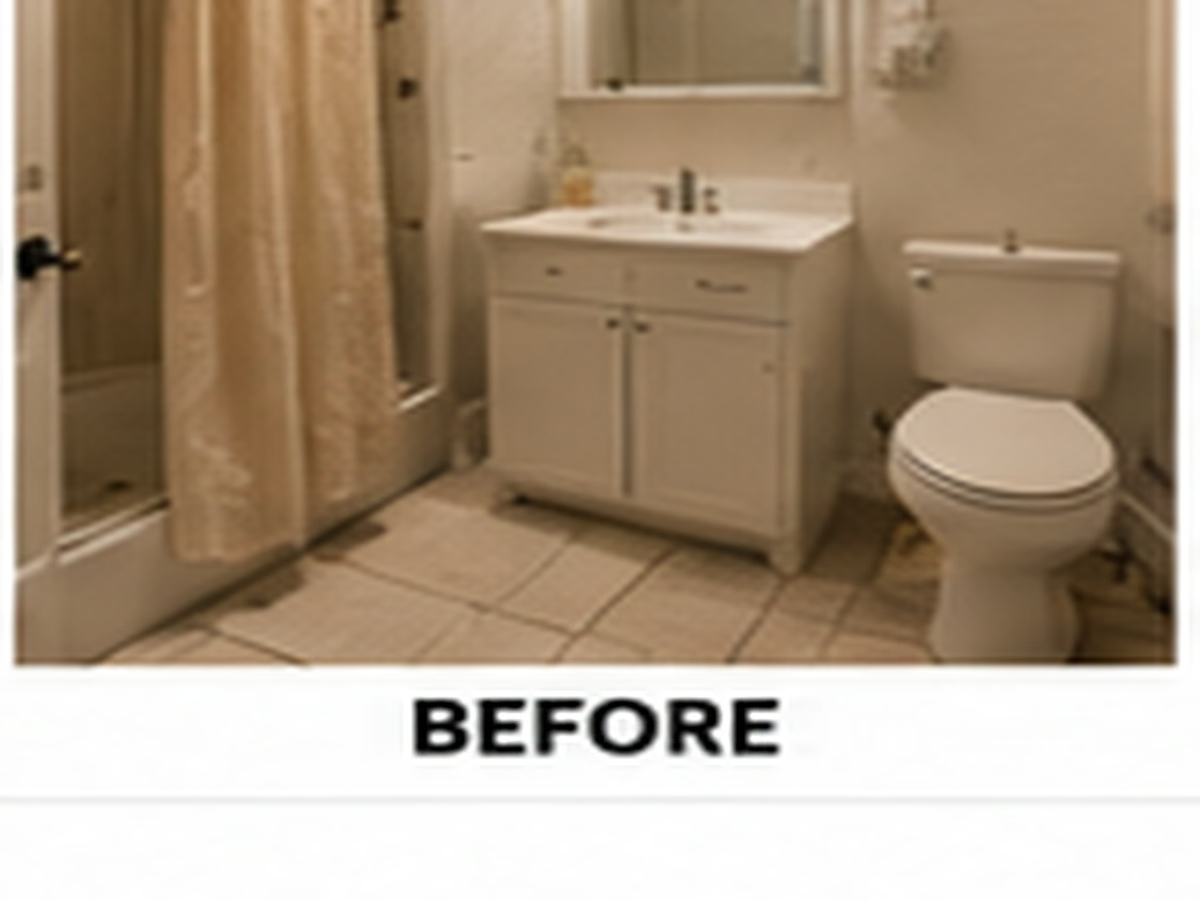
Account for faucet and backsplash height
A tall faucet and a high backsplash can reduce the usable lower portion of the mirror. Mark the top of the faucet and the top edge of the backsplash before choosing the final mirror size.
Check door and cabinet clearance
Open nearby medicine cabinets, doors, and drawers fully before drilling. A mirror can fit the wall perfectly and still interfere with a cabinet door if the swing path is ignored.
A simple final check
Painter's tape is an easy way to outline the mirror on the wall before drilling, especially in a small room where every inch matters.
Start with the wettest part of the room
Bathroom storage and decor choices should respect water, steam, and cleaning. Keep materials easy to wipe, avoid trapping moisture against the wall or counter, and make sure storage does not interfere with ventilation or the shower path.
Plan around the vanity footprint
The vanity is the working center of most bathrooms. Measure its width, counter depth, door swings, and the clear floor area in front of it before adding shelves, stools, or baskets. A small gain in storage is not worth losing comfortable circulation.
Use vertical space carefully
Tall storage can help a small bath, but items placed too high may become impractical. Reserve upper shelves for backups and seasonal linens; keep daily products within easy reach. Secure freestanding pieces where needed so they do not become a hazard.
Make cleaning access part of the design
Leave enough room to wipe under containers, behind bottles, and around fixtures. Bathrooms collect residue quickly, so an organizer that requires dismantling the entire countertop to clean is usually a poor long-term choice.
Keep a simple reset routine
A one-minute reset—returning daily products, hanging towels, and clearing the open counter—can maintain the result without a major weekend cleanup. Good bathroom design reduces the number of decisions required at the end of the day.
More from DreamHomeGarden: read this related guide
Practical notes for living with the result
Draw the circulation path
For small bathroom mirror placement: what to measure before hanging, the most useful test is what happens during an ordinary week.
Test the furniture footprint
For small bathroom mirror placement: what to measure before hanging, the most useful test is what happens during an ordinary week.
Connect the zones visually
For small bathroom mirror placement: what to measure before hanging, the most useful test is what happens during an ordinary week.
Live with the arrangement before adding more
For small bathroom mirror placement: what to measure before hanging, the most useful test is what happens during an ordinary week.
A quick implementation plan
Practical checkpoint
For Small Bathroom Mirror Placement: What to Measure Before Hanging, the useful checkpoint is to make sure the main idea works under ordinary conditions, not just in the ideal setup. Pay particular attention to center the mirror on the sink, then confirm that the result remains easy to use and maintain.
Measure the mirror against the whole vanity
Mirror placement should be considered with the vanity, faucet, lighting, door swing, and standing position at the same time. Mark the intended mirror width with painter's tape before drilling. Check it from the position where the sink is actually used, not only from the hallway, and confirm that cabinet doors and nearby switches remain easy to reach.
The visual center is not always the geometric center of the wall. A narrow bathroom may need a mirror that respects an offset wall, medicine cabinet, sconce, or shower edge. Checking those relationships first can prevent a technically centered mirror from making the room feel unbalanced.
Plan the lighting before the final hole
Glare and shadow can make a correctly sized mirror less useful. Look at how existing daylight changes through the day and identify where a new light source would support the face without creating a harsh reflection. Keep the area around the mirror easy to clean, and follow the relevant electrical and bathroom safety requirements when work involves wiring.
Frequently asked questions
Keep reading
Practical details for Small Bathroom Mirror Placement: What to Measure Before Hanging
Use a few practical measurements to position a bathroom mirror comfortably above a vanity without making the room feel crowded.
Observe how the room is used across a normal day, including where bags collect, which drawers need to open, and where task lighting is missing. Measure the largest pieces and the clearances around them. A small layout sketch with fixed features marked is often enough to identify the main problem before buying storage or replacing furniture.
Measure the vanity and wall first
Measure the room before choosing a layout: note wall lengths, door swings, window locations, outlets, vents, and the clear path between entrances and frequently used areas. Photograph the current arrangement and identify where people pause or bump into furniture. These real constraints should guide the plan more than a showroom arrangement that assumes unlimited space.
For small bathroom mirror placement: what to measure before hanging, keep the next action small enough to verify. Measure or inspect the part affected by “measure the vanity and wall first”, make the change, and then look again at the surrounding home or garden project.
Center the mirror on the sink
In the context of Small Bathroom Mirror Placement: What to Measure Before Hanging, the plant selection detail should be reviewed alongside the space, materials, and routine already described. In the context of Center the mirror on the sink, check layout, access, materials, upkeep, and everyday use before choosing the final arrangement.
For small bathroom mirror placement: what to measure before hanging, keep the next action small enough to verify. Measure or inspect the part affected by “center the mirror on the sink”, make the change, and then look again at the surrounding home or garden project.
Account for faucet and backsplash height
In the context of Small Bathroom Mirror Placement: What to Measure Before Hanging, the scale detail should be reviewed alongside the space, materials, and routine already described. In the context of Account for faucet and backsplash height, check layout, access, materials, upkeep, and everyday use before choosing the final arrangement.
For small bathroom mirror placement: what to measure before hanging, keep the next action small enough to verify. Measure or inspect the part affected by “account for faucet and backsplash height”, make the change, and then look again at the surrounding home or garden project.
Check door and cabinet clearance
For door and cabinet clearance, start with actual measurements and the routine the room needs to support. Confirm that doors, drawers, windows, outlets, and walking paths remain usable, then choose pieces that fit the clear space rather than the full wall measurement. Test the arrangement before buying accessories.
For small bathroom mirror placement: what to measure before hanging, keep the next action small enough to verify. Measure or inspect the part affected by “check door and cabinet clearance”, make the change, and then look again at the surrounding home or garden project.
A simple final check
In the context of Small Bathroom Mirror Placement: What to Measure Before Hanging, the timing detail should be reviewed alongside the space, materials, and routine already described. For Small Bathroom Mirror Placement: What to Measure Before Hanging, review layout against the actual conditions of this interior design & decor project before choosing the final arrangement.
Keep a simple final check connected to comfort and daily movement. Measure from finished surfaces, allow room for doors and chairs to move, and choose finishes that are practical to clean. Leave some flexible capacity so the room can adapt rather than filling each corner with another item.
A quick final review
Test the room at the times it will actually be used. Open drawers and doors fully, walk through with a laundry basket or serving tray if relevant, and check whether light switches, outlets, and vents remain accessible. A layout that looks good from the doorway is not finished until routine movement feels comfortable and storage can be reached without moving other items.
- Confirm that the change still serves the original purpose of small bathroom mirror placement: what to measure before hanging.
- In "Small Bathroom Mirror Placement: What to Measure Before Hanging", this decision should be judged against the space as it exists today, including the parts that already work.
- For "Small Bathroom Mirror Placement: What to Measure Before Hanging", compare this point with the current interior design & decor setup before deciding what to change.
- For this Dream Home & Garden project, "Small Bathroom Mirror Placement: What to Measure Before Hanging" works best when the choice is checked against access, upkeep, and everyday use.