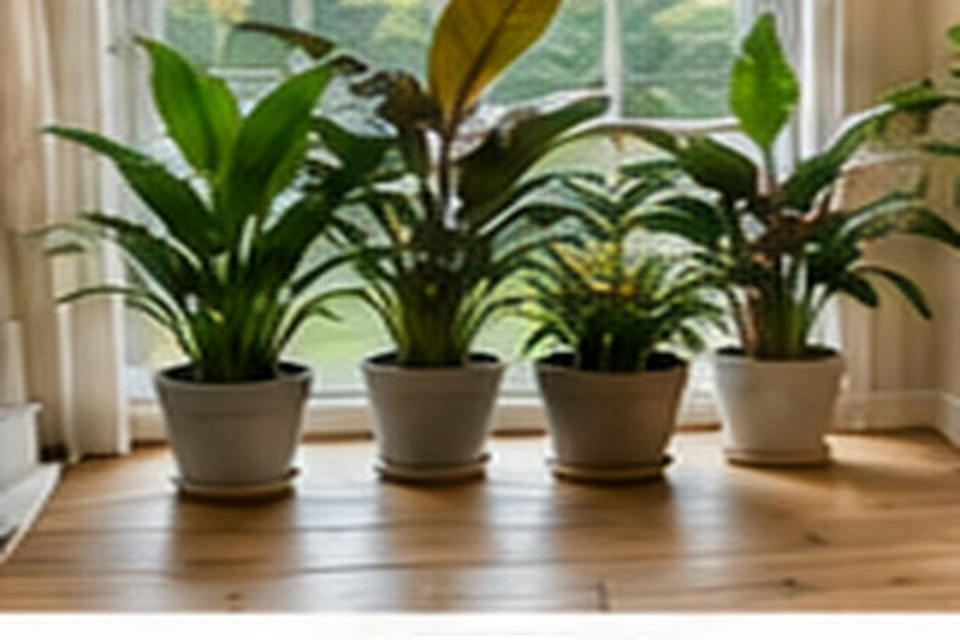
A simple inspection and quarantine routine can help prevent outdoor pests from becoming an indoor problem when summer container plants come back inside.
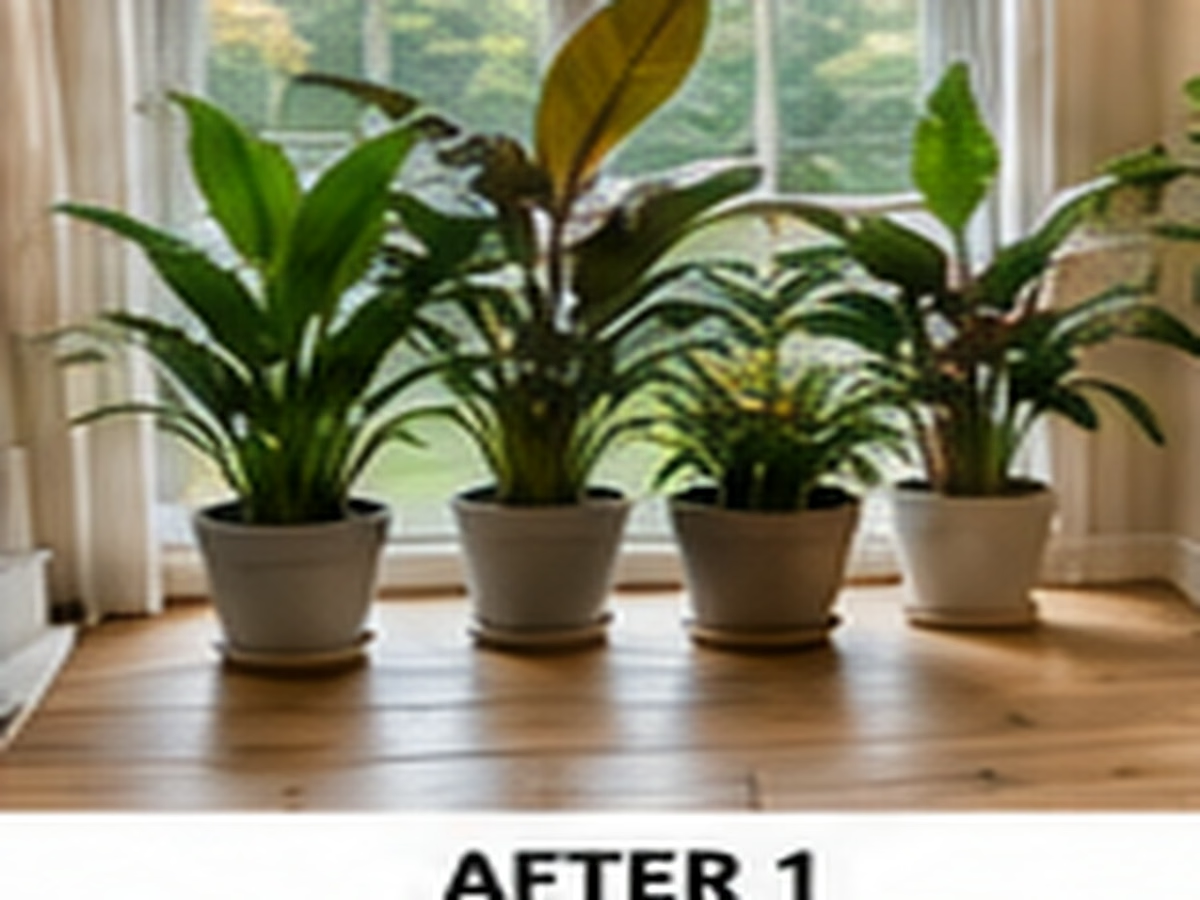
Inspect before you move anything
The easiest pest problem to prevent is the one you catch before a pot crosses the threshold. University of Minnesota Extension recommends checking plants carefully for aphids, mealybugs, whiteflies, webbing, and other signs before bringing summer plants indoors. Look at leaf undersides, stems, soil surfaces, pot rims, and saucers rather than inspecting only the top of the foliage.
Group plants in one temporary inspection area so you can compare them. Healthy-looking leaves do not guarantee a clean pot. If a plant has sticky residue, discolored foliage, webbing, or visible insects, keep it away from the rest of the collection until you know what you are dealing with.
Clean leaves and containers
Rinse foliage with water to remove dust and loose insects, paying attention to the undersides of leaves. Clean the outside of pots and saucers as well. These surfaces can carry eggs, pests, or outdoor debris even when the plant itself looks fine.
Use only treatment methods appropriate for the plant and pest. Avoid assuming that a strong chemical solution is automatically better. For a collection you value, identification first and treatment second is usually a safer process.
Use a quarantine zone
Do not place newly moved plants directly among your established indoor plants. A separate room or clearly separated area gives you time to observe them. University of Minnesota Extension also recommends isolating plants when pest problems are suspected or when new additions arrive.
Keep checking during watering. Some pest problems are easier to spot once a plant adjusts to indoor conditions. Dry air, lower light, or other stress can reveal issues that were less obvious outdoors, so the first week inside is a useful observation period rather than a finish line.
Match the indoor environment gradually
Outdoor plants may have been receiving far more light and airflow than they will get inside. Move them to a bright, suitable indoor location and watch for stress. A sudden change can lead to leaf drop or stretching even when there is no pest problem.
Group plants by light and watering needs. Do not treat every plant as if it needs the same window, humidity, or watering interval. The more closely the new location fits the plant, the less additional stress you create during the transition.
Know when to leave a plant outside a little longer
Timing depends on species and weather. Some tender houseplants can be damaged by chilly temperatures, while others tolerate a broader range. Use the plant’s care requirements and local forecasts rather than one universal calendar date.
Before moving the final pot inside, decide where it will live, how you will monitor it, and what you will do if a pest appears. That simple plan keeps one suspect plant from becoming an indoor collection-wide problem.
A practical final check
The final step is to make the transition repeatable. Give each plant a simple label with its light and watering needs, keep suspicious pots separated, and record any treatment you use. That record matters when several plants come inside at different times. It also helps you identify patterns: a pest that appears on one species may require a different response from a general maintenance problem. Keep the inspection area easy to clean, with a washable surface and enough space to see the undersides of leaves. Once the indoor collection is settled, continue the same quick inspection routine whenever you water rather than waiting for obvious damage. Consistency is what prevents a small issue from becoming a whole-room problem.
Practical checkpoint
A plant should not come indoors just because the calendar says so. Bring it in when the temperature, plant condition, pest status, and indoor location are all ready for the transition.
Plan the return trip before the first cold night
Once plants are clean and separated, make the move easier by preparing their indoor destination first. Clear a stable surface, wipe the window area, and leave enough space to inspect leaves without brushing against neighboring plants. A little empty space is useful during the first days because it makes new symptoms easier to notice and reduces the chance that leaves from different plants constantly touch.
Keep an eye on the plants after the move rather than treating the first inspection as the end of the process. Watch for new spotting, sticky residue, webbing, distorted growth, or unusual leaf drop, and check the soil surface when you water. Indoor conditions can change quickly as heating or cooling systems run, so continuing observation is part of a successful transition rather than an optional extra step.
Work from the actual conditions
Frequently asked questions
What pests should I look for before bringing plants inside?
Common concerns include aphids, mealybugs, whiteflies, spider mites, scale, and fungus gnats. Look for insects, webbing, sticky residue, eggs, or abnormal leaf damage.
How long should I quarantine a plant?
There is no single universal period, but keeping a plant separate while you inspect it regularly is a practical approach. One to two weeks is a common quarantine window for new plants, depending on your risk tolerance and collection.
Should I treat every outdoor houseplant before moving it indoors?
Not necessarily. Inspect first. If you find pests, use a treatment appropriate for the specific plant and pest, then continue monitoring instead of assuming one application ends the problem.
Sources and further reading
- University of Minnesota Extension — Time to bring houseplants back inside
- University of Minnesota Extension — Managing insects on indoor plants
For work from the actual conditions, check the growing conditions before making a change. Light, moisture, root space, soil structure, and mature size interact, so adjust the factor most likely to be limiting the plant or bed first. Use labels or local extension guidance for region-specific details and avoid extra fertilizer or frequent watering without a clear reason.
Let the site and the plant’s needs guide frequently asked questions. Observe how the area behaves after watering and rain, leave room for mature growth, and keep access for weeding and inspection. If the same problem returns, reassess drainage, light, or soil conditions before repeating the same treatment.