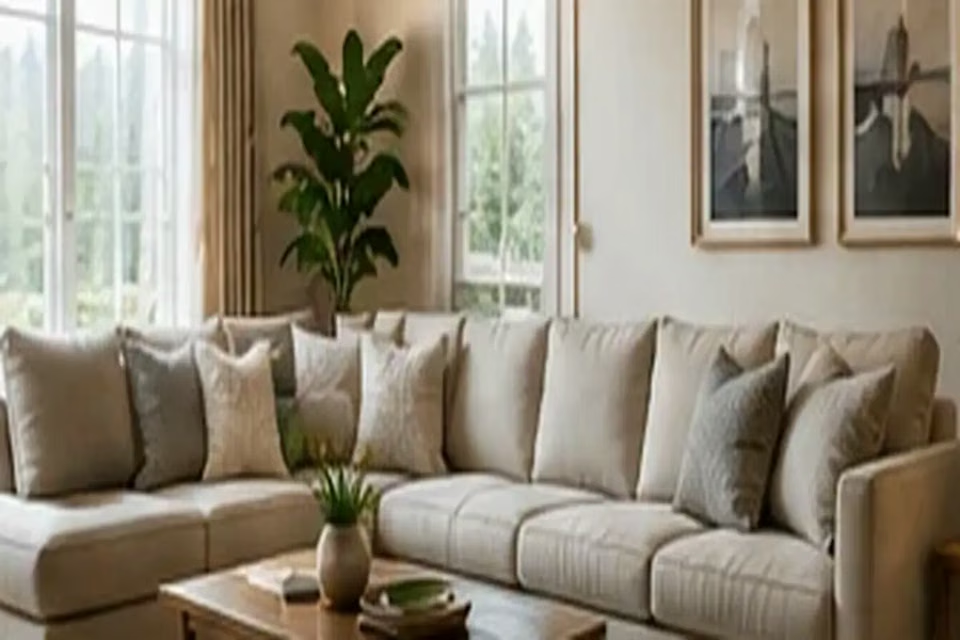
Combine display shelving and concealed storage to keep a living room useful without making every surface look busy.
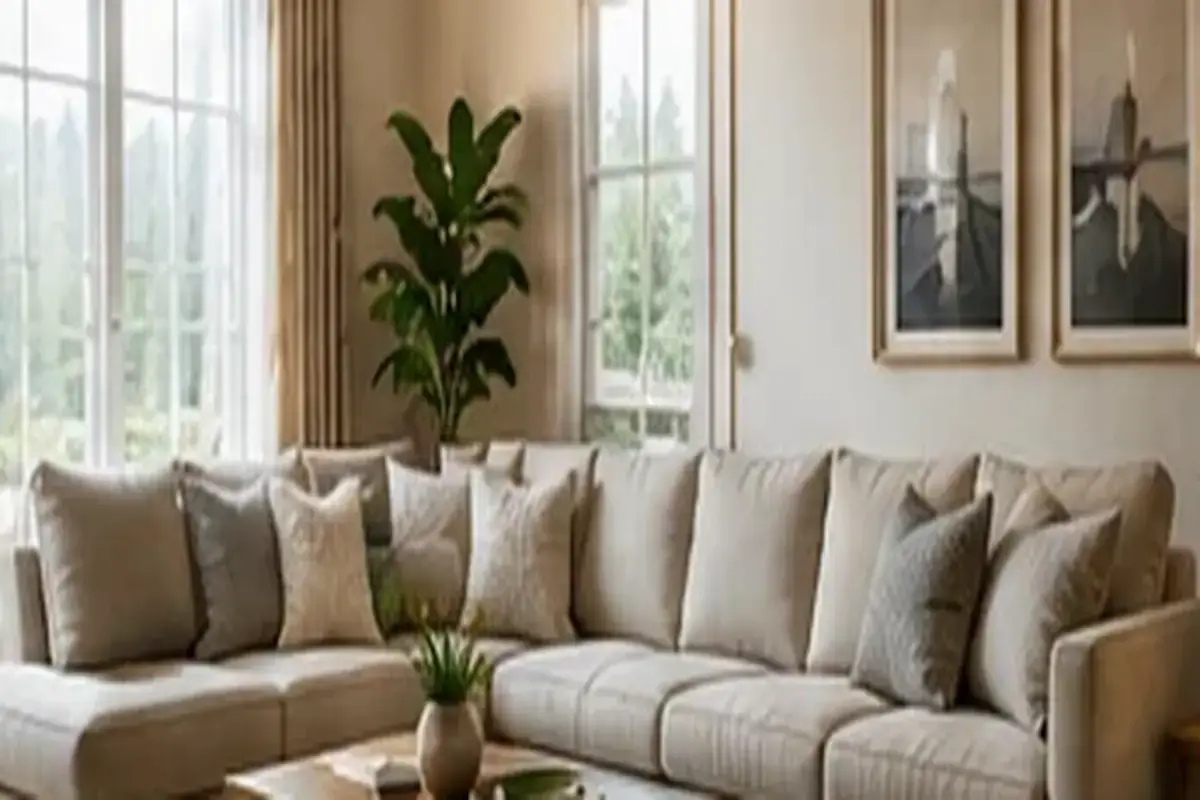
Use closed storage for visual noise
Games, charging cords, paperwork, and extra blankets are easier to live with when they can disappear behind doors or drawers. Reserve open shelving for items that add interest rather than things that simply need somewhere to go.
Build an open-to-closed rhythm
A mix of shelves and cabinets can create a balanced composition. Repeating the same proportion across a media wall, built-in, or sideboard keeps the arrangement from feeling random.

Limit the number of display categories
Books, ceramics, framed photographs, or plants can each work on open shelving, but too many unrelated collections compete for attention. Choose a small visual language and leave some shelf space empty.
Keep daily access in the easiest zone
Frequently used storage should be closer to seated or standing height. Put occasional items higher, and avoid making the most-used cabinet the one that requires moving decor every time you open it.
A simple final check
Open storage should decorate the room; closed storage should quietly support it.
Begin with circulation and function
Before choosing finishes, draw the paths people actually take through the room. Furniture, rugs, and storage should support those paths rather than block them. A room often feels larger when circulation is clear, even if the furniture count stays the same.
Use proportion before color
A beautiful color palette cannot fix furniture that is too large or too small for the room. Measure the major pieces and compare their footprint to the walls, doors, and windows. Solve scale first, then refine the visual palette.
Repeat one or two visual cues
Repeating a wood tone, metal finish, shape, or fabric family can connect separate areas without making them match exactly. This is especially useful in open layouts where the dining, living, and entry zones share one view.
Leave intentional empty space
Empty space is part of the design. It gives the eye a place to rest and makes the pieces you keep feel more important. Resist filling every shelf, corner, and wall simply because the space is available.
Test the room during normal use
Sit on the sofa, pull out the dining chair, open the cabinet, and walk in from the main door. Practical testing often reveals problems that are invisible in a static photo. A good layout is one that still works when the room is busy.
More from DreamHomeGarden: read this related guide
Practical notes for living with the result
Draw the circulation path
For how to mix open and closed storage in a living room, the most useful test is what happens during an ordinary week.
Test the furniture footprint
For how to mix open and closed storage in a living room, the most useful test is what happens during an ordinary week.
Connect the zones visually
For how to mix open and closed storage in a living room, the most useful test is what happens during an ordinary week.
Live with the arrangement before adding more
For how to mix open and closed storage in a living room, the most useful test is what happens during an ordinary week.
A quick implementation plan
Practical checkpoint
For How to Mix Open and Closed Storage in a Living Room, the useful checkpoint is to make sure the main idea works under ordinary conditions, not just in the ideal setup. Pay particular attention to build an open-to-closed rhythm, then confirm that the result remains easy to use and maintain.
Assign a job to every storage type
Open storage works best for items that deserve to stay visible or need to be reached frequently. Closed storage is better for things that create visual noise, are used less often, or need a protected place. For this living room plan, begin with a list of what the household actually stores instead of buying shelves and cabinets first.
Place the most frequently used items within comfortable reach and keep heavier pieces supported by appropriate furniture. Avoid creating a wall of display simply because there is empty shelf space. A few repeated materials or colors can connect the open areas, while closed cabinets keep the room visually calm when the day gets busy.
Leave room for the room to change
Living rooms change with seasons, guests, children, pets, and furniture rearrangements. Leave enough clear floor area for normal circulation and keep doors, drawers, vents, and outlets usable. The best mixed-storage plan should still work when the shelves are not perfectly styled.
Frequently asked questions
Keep reading
Practical details for How to Mix Open and Closed Storage in a Living Room
Combine display shelving and concealed storage to keep a living room useful without making every surface look busy.
Use material samples and a measured layout before committing to a purchase. Reflective surfaces, dark colors, and large patterns can behave differently in morning and evening light, so view samples in the room. Choose durable finishes where hands, moisture, or cleaning products are common, and avoid pieces that reduce an essential walking route.
Use closed storage for visual noise
For How to Mix Open and Closed Storage in a Living Room, use durability as the next check and compare it with the existing conditions described above. In the context of Use closed storage for visual noise, check layout, access, materials, upkeep, and everyday use before choosing the final arrangement.
For how to mix open and closed storage in a living room, keep the next action small enough to verify. Measure or inspect the part affected by “use closed storage for visual noise”, make the change, and then look again at the surrounding home or garden project.
Build an open-to-closed rhythm
Clear the area first, sketch the layout, and mark the footprint of larger furniture with painter’s tape. Test the walking route and door swings before deciding on shelving, textiles, or accessories. Once the main pieces fit, add storage and task lighting where they solve a real daily problem; finish with decorative layers rather than using decor to disguise a poor layout.
For how to mix open and closed storage in a living room, keep the next action small enough to verify. Measure or inspect the part affected by “build an open-to-closed rhythm”, make the change, and then look again at the surrounding home or garden project.
Limit the number of display categories
For limit the number of display categories, start with actual measurements and the routine the room needs to support. Confirm that doors, drawers, windows, outlets, and walking paths remain usable, then choose pieces that fit the clear space rather than the full wall measurement. Test the arrangement before buying accessories.
For how to mix open and closed storage in a living room, keep the next action small enough to verify. Measure or inspect the part affected by “limit the number of display categories”, make the change, and then look again at the surrounding home or garden project.
Keep daily access in the easiest zone
Before moving on from How to Mix Open and Closed Storage in a Living Room, check placement again so the next decision fits the existing setup. In the context of Keep daily access in the easiest zone, check layout, access, materials, upkeep, and everyday use before choosing the final arrangement.
For how to mix open and closed storage in a living room, keep the next action small enough to verify. Measure or inspect the part affected by “keep daily access in the easiest zone”, make the change, and then look again at the surrounding home or garden project.
A simple final check
For a simple final check, start with actual measurements and the routine the room needs to support. Confirm that doors, drawers, windows, outlets, and walking paths remain usable, then choose pieces that fit the clear space rather than the full wall measurement. Test the arrangement before buying accessories.
Keep a simple final check connected to comfort and daily movement. Measure from finished surfaces, allow room for doors and chairs to move, and choose finishes that are practical to clean. Leave some flexible capacity so the room can adapt rather than filling each corner with another item.
A quick final review
Test the room at the times it will actually be used. Open drawers and doors fully, walk through with a laundry basket or serving tray if relevant, and check whether light switches, outlets, and vents remain accessible. A layout that looks good from the doorway is not finished until routine movement feels comfortable and storage can be reached without moving other items.
- Confirm that the change still serves the original purpose of how to mix open and closed storage in a living room.
- For this Dream Home & Garden project, "How to Mix Open and Closed Storage in a Living Room" works best when the choice is checked against access, upkeep, and everyday use.
- With "How to Mix Open and Closed Storage in a Living Room", keep the decision tied to the actual layout and routine rather than an idealized finished picture.
- With "How to Mix Open and Closed Storage in a Living Room", keep the decision tied to the actual layout and routine rather than an idealized finished picture.