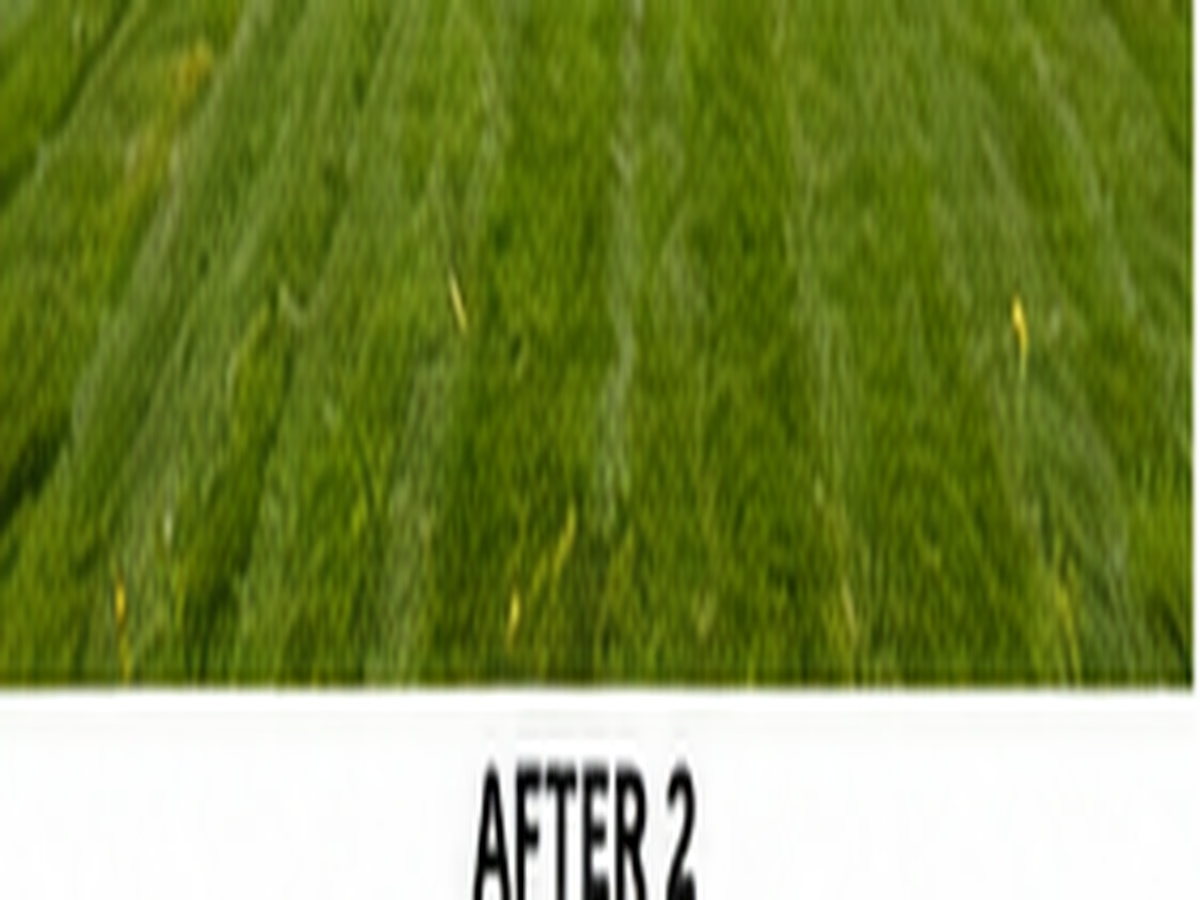

A closer look at From Patchy Lawn to Lush Green Grass: A Practical Early-Fall Reset
For from Patchy Lawn to Lush Green Grass: A Practical Early-Fall Reset, check the growing conditions before making a change. Light, moisture, root space, soil structure, and mature size interact, so adjust the factor most likely to be limiting the plant or bed first. Use labels or local extension guidance for region-specific details and avoid extra fertilizer or frequent watering without a clear reason.
Let the site and the plant’s needs guide from Patchy Lawn to Lush Green Grass: A Practical Early-Fall Reset. Observe how the area behaves after watering and rain, leave room for mature growth, and keep access for weeding and inspection. If the same problem returns, reassess drainage, light, or soil conditions before repeating the same treatment.
Frequently asked questions
For frequently asked questions, check the growing conditions before making a change. Light, moisture, root space, soil structure, and mature size interact, so adjust the factor most likely to be limiting the plant or bed first. Use labels or local extension guidance for region-specific details and avoid extra fertilizer or frequent watering without a clear reason.
Let the site and the plant’s needs guide frequently asked questions. Observe how the area behaves after watering and rain, leave room for mature growth, and keep access for weeding and inspection. If the same problem returns, reassess drainage, light, or soil conditions before repeating the same treatment.
Start with the existing conditions
Before changing the lawn, identify why the area is thinning. Compare sunlight, foot traffic, soil compaction, mowing height, and irrigation coverage; different causes need different fixes. After rainfall, note where water stands or runs off, and check a small soil plug for moisture below the surface rather than judging only by the grass color.
Walk the area and map bare patches, shaded edges, worn routes, and sprinkler coverage. A thin lawn is not always a seed problem: compacted soil, poor drainage, shade, pests, and mowing too low can all limit recovery. Correct the main cause first so new seed is not asked to grow under the same conditions that damaged the old turf.
Decide what needs to work better
Decide whether the lawn needs dense turf everywhere or whether some low-traffic areas could become planting beds or groundcover. Set priorities around actual use, local water limits, shade, and the time available for mowing and edging. A realistic maintenance target is more useful than aiming for a uniform lawn in every corner.
Pick the result you want to maintain: better coverage for play, fewer muddy patches, lower watering demand, or less mowing. Use that goal to decide where seed, irrigation adjustment, soil improvement, or a different groundcover is justified. Do not reseed areas that will remain heavily shaded or repeatedly compacted without changing those conditions.
Choose materials and layout together
Match grass seed or groundcover to local climate, sun exposure, soil moisture, and how the area is used. Read the label for species mix and establishment requirements, and avoid choosing solely by the package photo. For a mixed or shaded yard, a locally recommended blend may perform better than a variety selected without regard to site conditions.
Compare seed blends by the conditions they tolerate and by the amount of care they need after establishment. Check the recommended planting window for your region and follow the label for coverage and watering. If the problem keeps returning, consider a soil test or local extension advice before buying another bag of seed or fertilizer.
Work in a sensible order
Prepare the surface before spreading seed: remove debris, relieve shallow compaction where appropriate, correct obvious runoff issues, and create good seed-to-soil contact. Follow the seed label for rates and watering frequency. Avoid heavy traffic while seedlings establish, and wait until the new grass is ready before resuming normal mowing.
Address the cause, prepare only the area that needs repair, and then seed or install the chosen cover using the product’s directions. Keep the seedbed evenly moist without washing seed downhill. If drainage or grade is the main issue, solve it before reseeding; seed cannot stabilize a flow path that continues to erode.

Check the result before you call it finished
Review the lawn from the areas where it gets the most use. Look for uneven watering, new erosion, footprints that remain compressed, and patches that fail to germinate. Compare changes after a normal maintenance cycle rather than judging by one day’s appearance, and adjust one cause at a time so you can tell what made a difference.
After establishment, check whether coverage is improving and the surface remains firm after rain. If bare areas persist, revisit shade, compaction, and water distribution before repeating the same repair. Keep mower height and traffic appropriate for the grass type, and avoid applying extra fertilizer unless the need is supported by a soil test or product directions.
Plan for maintenance and change
Build care around local growing conditions rather than a rigid calendar. Water deeply enough to reach roots when needed, mow at the recommended height for the grass type, and keep blades sharp. After heavy use or rain, look for compaction and runoff, and repair small bare areas before traffic spreads the damage.
Record the seed or grass type used, the repair date, and which areas struggled. That short history helps guide the next season’s watering, mowing, and reseeding decisions. Avoid repeated blanket treatments when the cause is unknown; adjust irrigation and soil conditions first and follow local restrictions for fertilizer or pesticide use.
Check the finished result
Review the lawn from the areas where it gets the most use. Look for uneven watering, new erosion, footprints that remain compressed, and patches that fail to germinate. Compare changes after a normal maintenance cycle rather than judging by one day’s appearance, and adjust one cause at a time so you can tell what made a difference.
After establishment, check whether coverage is improving and the surface remains firm after rain. If bare areas persist, revisit shade, compaction, and water distribution before repeating the same repair. Keep mower height and traffic appropriate for the grass type, and avoid applying extra fertilizer unless the need is supported by a soil test or product directions.
Plan for maintenance and change
Build care around local growing conditions rather than a rigid calendar. Water deeply enough to reach roots when needed, mow at the recommended height for the grass type, and keep blades sharp. After heavy use or rain, look for compaction and runoff, and repair small bare areas before traffic spreads the damage.
Record the seed or grass type used, the repair date, and which areas struggled. That short history helps guide the next season’s watering, mowing, and reseeding decisions. Avoid repeated blanket treatments when the cause is unknown; adjust irrigation and soil conditions first and follow local restrictions for fertilizer or pesticide use.