
Outdoor lighting becomes most valuable when darkness reveals a circulation problem. Solar garden lights can help mark a path, highlight a planting edge, or make a patio transition easier to read without running new electrical wiring. The mistake is using too many fixtures in an attempt to brighten the entire yard.
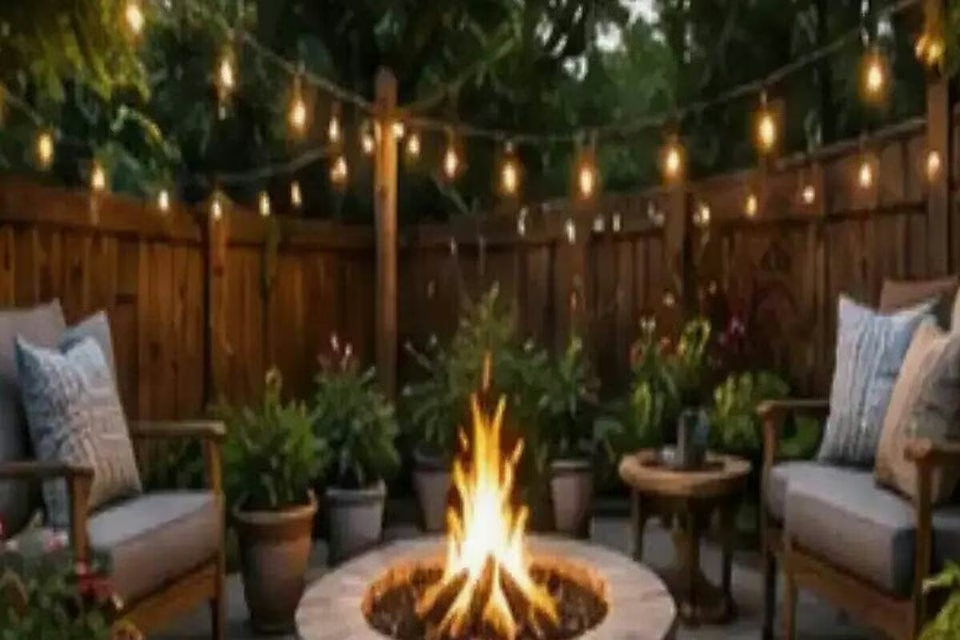
Light the route, not every plant
Start with the places people actually walk. A few lights at changes in elevation, path turns, steps, and arrival points can improve orientation more than a dense row along an entire lawn edge. Keep the visual rhythm consistent so the lighting feels designed rather than dotted.
Match plant choice to the site’s light, moisture, soil, and regional hardiness guidance. Check mature dimensions rather than the size of the nursery pot, and leave room for airflow and access around the plant. For native or potentially invasive species, consult a trusted local extension or regional plant database before buying; local suitability can vary within the same state.
Use different heights for different jobs
Low path lights help define the ground plane. Slightly taller fixtures can establish a garden edge or entry point. Avoid shining lights directly into windows or eye level. The light should help people see where they are going without creating glare.
Let the site and the plant’s needs guide different heights for different jobs. Observe how the area behaves after watering and rain, leave room for mature growth, and keep access for weeding and inspection. If the same problem returns, reassess drainage, light, or soil conditions before repeating the same treatment.
Check how much sun reaches the panel
Solar fixtures need useful daylight on their charging panels. A beautiful location under a dense tree canopy may not provide enough direct sun to keep the light running through the night. Test the location before installing many units.
Seasonal shade changes too. A spot that is sunny in midsummer may become shaded later. If a path matters year-round, observe the area in more than one season before committing to a large installation.
Keep the color temperature coherent
Mixing very different light colors can make a small yard look patchy. Warm light often works well in residential garden spaces, but the exact choice depends on the surrounding house lighting and the mood you want. The important thing is consistency.
Use light to reveal structure
Instead of pointing every light directly at flowers, use a few positions to reveal steps, edges, trunks, or a change in grade. Shadows can make a garden more dimensional. Avoid excessive lighting that removes the contrast between bright and dark areas.
Practical checkpoint
After placing three lights, step back to the house and view the yard from the main windows. The best arrangement often makes the landscape easier to read without making every inch equally bright.
Protect fixtures from mowing and watering
Install lights where they will not become obstacles for lawn equipment, children, or garden hoses. Keep solar panels and lenses clean enough to work, and inspect stakes after heavy rain or freeze-thaw conditions.
Plan the route as carefully as the destination
How to Use Solar Garden Lights to Make a Yard Feel Better at Night works best when the path into the space is obvious and comfortable. Use Light the route, not every plant to establish the main purpose, then connect it to Use different heights for different jobs so seating, circulation, and activity zones support one another.
Balance comfort with the conditions outdoors
For balance comfort with the conditions outdoors, check the growing conditions before making a change. Light, moisture, root space, soil structure, and mature size interact, so adjust the factor most likely to be limiting the plant or bed first. Use labels or local extension guidance for region-specific details and avoid extra fertilizer or frequent watering without a clear reason.
Make the outdoor room easy to reset
For How to Use Solar Garden Lights to Make a Yard Feel Better at Night, use storage as the next check and compare it with the existing conditions described above. Use Check how much sun reaches the panel as the final test so the space remains useful as routines, guests, and seasons change.
Frequently asked questions
Are solar garden lights bright enough for paths?
Many are suitable for wayfinding and low-level illumination, but performance depends on the fixture, panel exposure, and weather. Do not assume decorative lights can replace required safety or security lighting.
How many solar lights should I use?
Use the minimum number needed to make the route readable. Too many fixtures can create glare and clutter.
Can solar lights stay outside all year?
That depends on the product and climate. Check weather resistance and storage recommendations, especially for freezing conditions.
For balance comfort with the conditions outdoors, check the growing conditions before making a change. Light, moisture, root space, soil structure, and mature size interact, so adjust the factor most likely to be limiting the plant or bed first. Use labels or local extension guidance for region-specific details and avoid extra fertilizer or frequent watering without a clear reason.
Use a seasonal check rather than treating every plant the same way. Remove damaged or diseased growth when appropriate, leave healthy structure where it offers habitat, and adjust irrigation as roots establish. Record plants that repeatedly wilt, scorch, or stay wet; those observations are more useful than routine fertilizer or watering applied without diagnosing the cause.
For frequently asked questions, check the growing conditions before making a change. Light, moisture, root space, soil structure, and mature size interact, so adjust the factor most likely to be limiting the plant or bed first. Use labels or local extension guidance for region-specific details and avoid extra fertilizer or frequent watering without a clear reason.
Compare plants by their mature spread, water needs, seasonal appearance, and ability to tolerate the actual site. Grouping plants with similar care needs simplifies watering, while staggered heights can create structure without crowding. Avoid adding fertilizer by default; use soil-test results and the species’ requirements to decide whether an amendment is needed.
For different heights for different jobs, check the growing conditions before making a change. Light, moisture, root space, soil structure, and mature size interact, so adjust the factor most likely to be limiting the plant or bed first. Use labels or local extension guidance for region-specific details and avoid extra fertilizer or frequent watering without a clear reason.