An area rug is one of the more expensive single decorating purchases most households make, and also one of the most commonly mis-sized. A rug that's too small for its room is one of the most reliable ways to make an otherwise well-furnished space feel disconnected and unfinished, regardless of how nice the rug itself looks.
Size the rug to the furniture, not the room
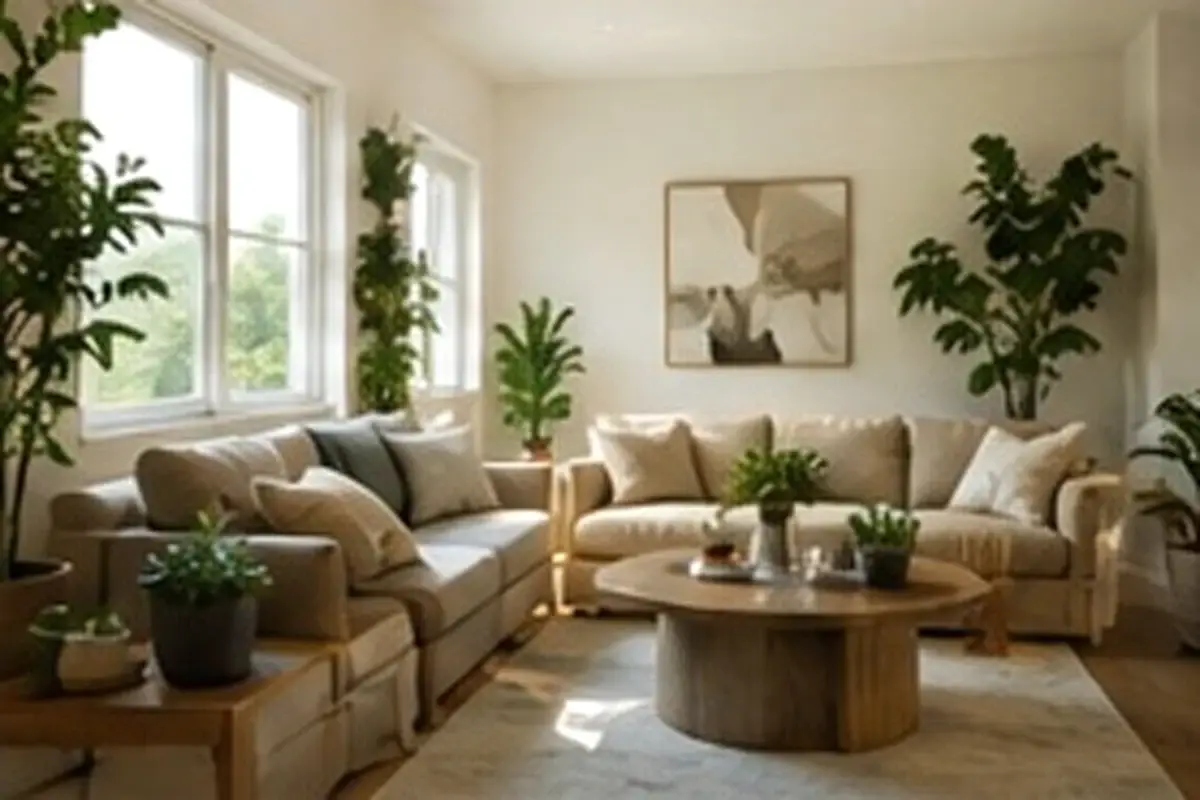
The most common sizing mistake is choosing a rug based on the room's overall dimensions rather than the seating arrangement it needs to anchor. As a general guideline, aim for at least the front legs of major seating pieces (sofa, chairs) to rest on the rug — a rug that floats in the middle of a room without touching any furniture tends to look like an afterthought rather than a considered design choice.
Practical checkpoint
Before moving on, make sure Size the rug to the furniture, not the room is working for the space described in this guide.
Common room-by-room sizing guidelines
- Living room: 8x10 or 9x12 for most standard-sized rooms, sized so all major seating pieces have at least their front legs on the rug.
- Dining room: large enough that chairs remain fully on the rug even when pulled out from the table — typically the table dimensions plus at least 24 inches on all sides.
- Bedroom: a rug that extends at least 18 to 24 inches beyond the sides and foot of the bed, so bare feet land on rug rather than cold floor getting in or out of bed.
- Entryway: a runner or smaller rug sized to the space, mainly for a landing zone rather than full room coverage.
Leave the right amount of exposed floor around the edges
A rug that runs edge-to-edge, wall-to-wall in a room actually reads more like carpet than a defined area rug. Leaving roughly 6 to 18 inches of exposed flooring between the rug's edge and the surrounding walls creates a visual frame that makes the rug feel like a deliberate layer rather than wall-to-wall coverage that happens to be a different material.
The single most common rug mistake isn't color or pattern — it's buying one a full size too small for the furniture it's meant to anchor.
Match material to the room's actual traffic and use
Wool rugs offer excellent durability and natural stain resistance, making them a strong choice for living rooms and other high-traffic areas, though they carry a higher upfront cost. Synthetic fibers (polypropylene, nylon blends) offer more budget-friendly durability and are often a practical choice for households with kids or pets. Natural fiber rugs like jute or sisal add texture and a relaxed look but can be rougher underfoot and less forgiving of spills, making them better suited to lower-moisture, lower-mess areas.
Consider a rug pad essential, not optional
A quality rug pad prevents slipping (a genuine safety concern, particularly on hard flooring), extends the rug's lifespan by reducing friction wear from foot traffic, and adds a noticeably softer feel underfoot. It's one of the most commonly skipped purchases relative to how much functional and safety value it actually adds.
Layering rugs works, with the right approach
Layering a smaller patterned or textured rug over a larger neutral one — a popular technique for adding visual interest without overwhelming a room — works best when the base rug is a simple, low-pile natural fiber (like jute or sisal) and the top layer provides the color or pattern. Layering two heavily patterned or high-pile rugs together tends to look cluttered rather than intentional.
Before you buy
Tape out your intended rug size directly on the floor with painter's tape and live with it for a day or two. This catches sizing mistakes far more reliably than visualizing dimensions from a product listing alone.
Pattern and color choices that age well
A rug is one of the more expensive, least frequently replaced textiles in most homes, which makes it worth choosing with some restraint — a busy, highly trend-specific pattern can feel dated faster than a more classic geometric, subtle texture, or tonal design. Rugs with some pattern or a mid-tone color also tend to hide everyday wear and minor stains better than a solid light color, an underrated practical consideration for busy households.
Rugs in a pet-friendly household need their own consideration
A rug's material and pile height matter even more in a home with dogs or cats than the general guidance above suggests; the specific fabric and color considerations covered in our guide to pet-friendly home design apply directly to rug shopping too, since a rug is one of the largest, hardest-to-clean textiles in most rooms and one of the first places pet hair and accidents become visible.
Rugs in small spaces do double duty
In a small room, a rug sized correctly for the furniture, rather than undersized to feel less overwhelming, actually makes the room read as larger, not smaller, since a too-small rug floating in the middle of a room visually shrinks the space around it. The zoning function a rug provides, discussed in more depth in our guide to small-space decorating, matters especially in an open-plan or studio layout, where a rug is often the single fastest way to define a distinct living or sleeping area.
Make the room work before styling it
How to Choose an Area Rug should support the way the room is actually used. Start with Size the rug to the furniture, not the room and test it against Common room-by-room sizing guidelines: circulation, seating, storage, light, and sightlines should still work when the room is busy.
Frequently asked questions
Is it worth spending more on a wool rug versus synthetic?
For a high-traffic area intended to last many years, wool's durability and natural resilience often justify the higher upfront cost. For a lower-traffic room, a guest room, or a household on a tighter budget, a quality synthetic rug can perform very well at a fraction of the cost.
What rug size is right for a small living room?
Even in a smaller room, resist the urge to undersize the rug — a 5x8 or 6x9 rug is often the smallest size that still anchors a standard seating arrangement properly; going smaller tends to make the room look more cramped, not less, by fragmenting the floor visually.
How do I keep a rug from sliding on hardwood or tile floors?
A rug pad specifically rated for hard flooring (rather than a carpet-to-carpet pad) solves this in nearly all cases, and it's worth choosing one sized slightly smaller than the rug itself so it doesn't peek out from the edges.