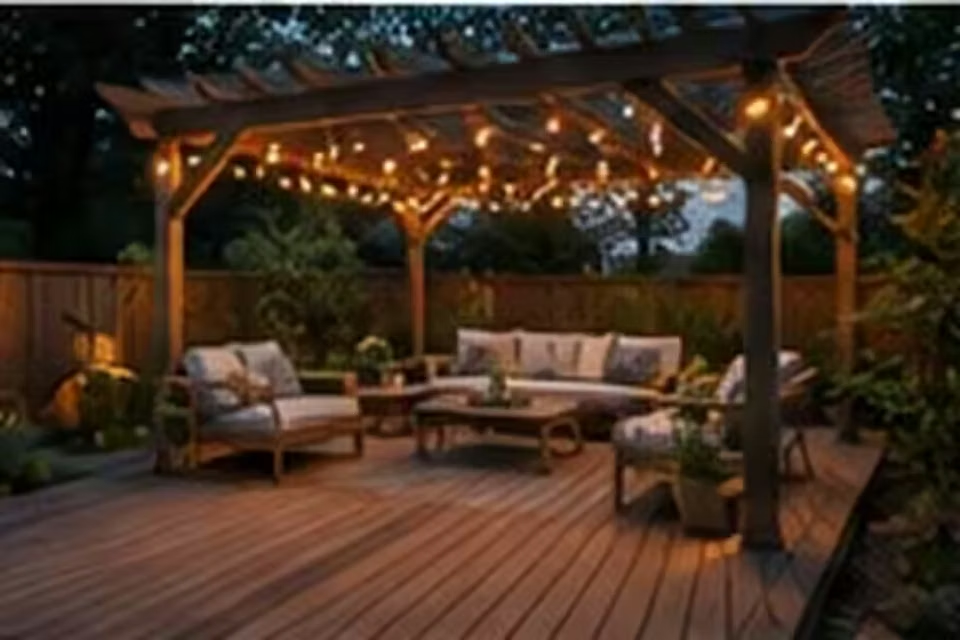
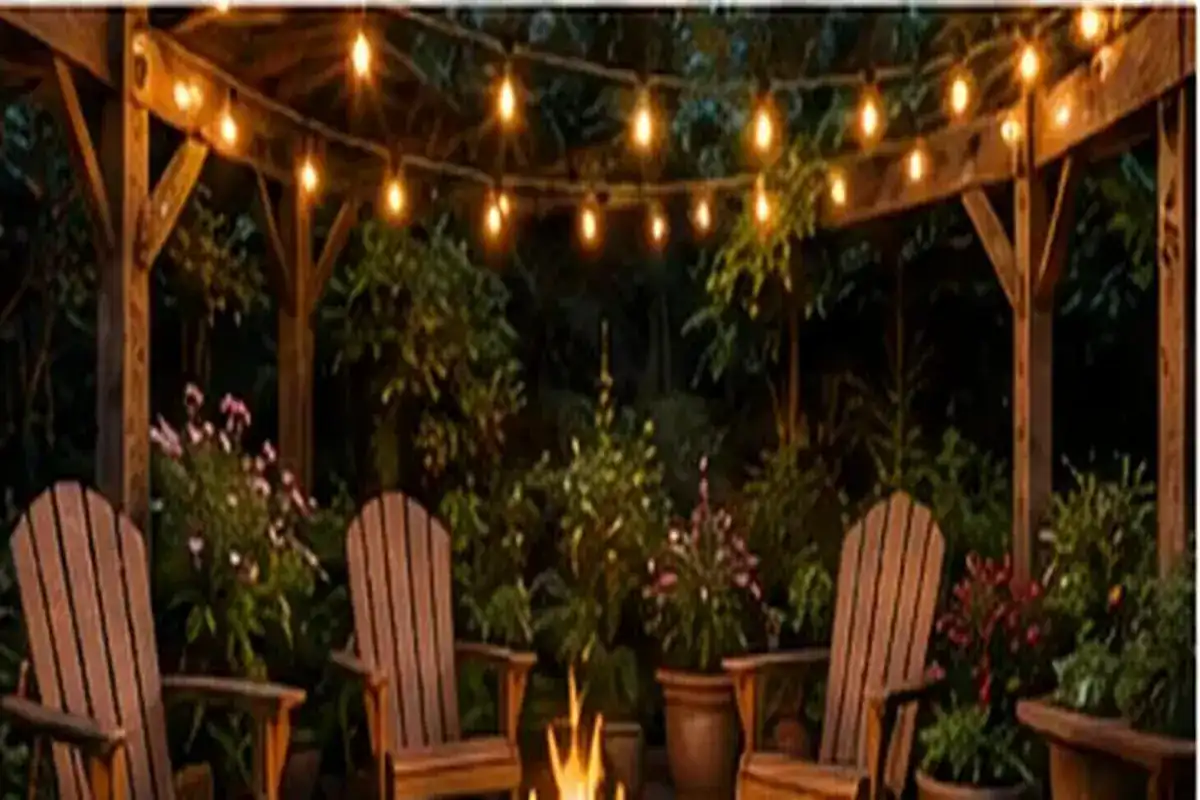
The best backyards are designed the same way good interior rooms are: with zones, sightlines, and a reason to sit down and stay a while. A patio that's just a slab of pavers with a table on it works, technically, but it rarely gets used past the first few weeks of ownership. Here's how to plan a backyard that earns its keep all season.
Start by mapping how the sun actually moves through your yard
Spend one Saturday tracking shade and sun across your space, morning to evening, before you commit to furniture placement. Most backyards have a spot that's brutal at 2 p.m. and lovely at 6 — and that 6 p.m. spot is usually where the dinner table belongs. If your existing patio sits in the wrong spot for how you actually want to use it, a shade sail, pergola, or a few well-placed large planters can shift the usable zone without a full hardscape rebuild.
Practical checkpoint
Before moving on, make sure Start by mapping how the sun actually moves through your yard is working for the space described in this guide.
Treat the backyard as a set of rooms, not one big space
Just as an open-plan interior benefits from distinct zones for cooking, dining, and lounging, a backyard works better divided into purposeful areas: a dining zone near the kitchen door, a lounge zone further out for evenings, and — if space allows — a quieter reading or garden-viewing corner. Rugs, low plantings, or a change in paving material can define these zones visually without needing walls.
Furniture that's built for the weather, not just the showroom
Outdoor furniture fails in two ways: fading in UV light and trapping moisture. Look for powder-coated aluminum or teak frames over untreated steel, and cushions with solution-dyed acrylic fabric (often sold under names like Sunbrella), which resists fading and mildew far better than standard indoor-style upholstery brought outside. A cushion storage bench or deck box pays for itself the first time you don't have to scramble before a sudden rainstorm.
An outdoor room only gets used as often as it's comfortable after dark — plan the lighting before you plan the furniture arrangement.
Lighting: layer it exactly like an indoor room
String lights create ambiance but rarely enough actual light to eat or read by. Layer in a low path light along walkways for safety, a brighter task light near any outdoor cooking area, and warm ambient string or lantern lighting for atmosphere. Solar options have improved significantly, but for a dining or cooking zone used regularly, a hard-wired low-voltage system gives more consistent brightness through winter's shorter, cloudier days.
Shade is infrastructure, not decoration
A pergola, retractable awning, or mature tree does more to extend a patio's usable season than any furniture upgrade. Without shade, most uncovered patios in warm climates are only comfortable a few hours a day in peak summer. If a permanent structure isn't in budget yet, a large cantilever umbrella with a weighted base is the fastest way to test whether a shaded dining zone changes how often you actually use the space.
Add water or fire as a focal point
A fire pit or small fountain gives a backyard a natural gathering point the way a fireplace does indoors, and extends outdoor evenings by several weeks on either end of the season. Check local ordinances before installing a wood-burning fire pit — many municipalities regulate placement distance from structures and fences, and a gas insert is often simpler to permit and maintain.
Before you build
Call 811 (the national utility locating service) at least a few business days before digging any post holes or footings for a pergola, fire pit, or fence — it's free and prevents hitting buried gas, electric, or irrigation lines.
Planting for privacy and softness, not just color
Bare fences and hard paving make a patio feel exposed. Layered planting — a taller screening hedge or trellis vine along the property line, mid-height shrubs for structure, and containers of seasonal color near seating — softens the hard edges of any hardscape and adds real privacy. Evergreen structure plants keep the space from feeling bare once summer's fastest-growing annuals die back.
Bring it together with one deliberate finishing touch
The backyards that feel most finished usually have one signature element that couldn't have come from any other yard — a built-in bench that follows the property line, a reclaimed dining table, an unusual planting combination. Once the zoning, shade, lighting, and furniture basics are handled, spend your remaining budget on that one distinctive piece rather than spreading it evenly across everything. It's the difference between a backyard that looks nice and one that feels like yours.
Plan the route as carefully as the destination
Creating the Ultimate Backyard Oasis works best when the path into the space is obvious and comfortable. Use Start by mapping how the sun actually moves through your yard to establish the main purpose, then connect it to Treat the backyard as a set of rooms, not one big space so seating, circulation, and activity zones support one another.
Frequently asked questions
What should I build first if I'm starting from a bare yard?
Hardscape before planting. A patio or deck base, along with any electrical or plumbing runs for lighting, an outdoor kitchen, or a fountain, is far more disruptive to install around established plants than before them. Get the bones in first, then plant into the finished layout.
How do I keep an outdoor space comfortable in bug season?
Standing water is the biggest driver of mosquito activity, so check for anywhere water collects and doesn't drain — clogged gutters, saucers under planters, low spots in hardscape. Beyond that, a simple fan on a dining table does double duty, keeping guests cool and making it harder for mosquitoes to land.
Is a permit really necessary for a small patio project?
It depends on your municipality and the project's scope — a ground-level paver patio often doesn't require one, while a raised deck, a structure with a roof, or anything involving gas or electrical lines usually does. A quick call to your local building department before starting saves far more time than dealing with a stop-work order mid-project.
How much of a backyard budget should go toward furniture versus hardscape?
As a rough starting point, many outdoor designers suggest weighting spend toward hardscape and shade first, since those are expensive to change later, and treating furniture as more easily upgradeable over time. A modest paver patio with inexpensive furniture you replace in a few years often serves a household better than an elaborate furniture set on a patio that's the wrong size or in the wrong spot.