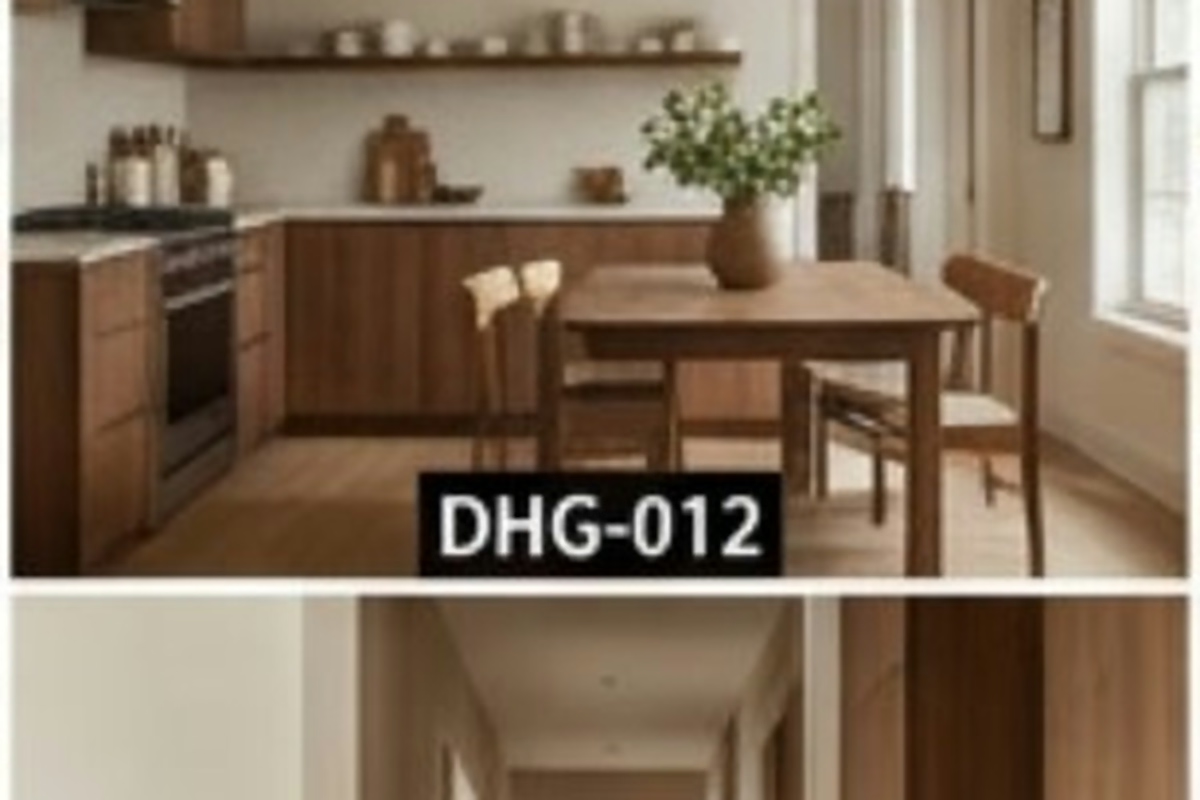
Create a layered, cohesive home by using wood undertones, repetition, contrast, and visual bridges instead of matching every finish.
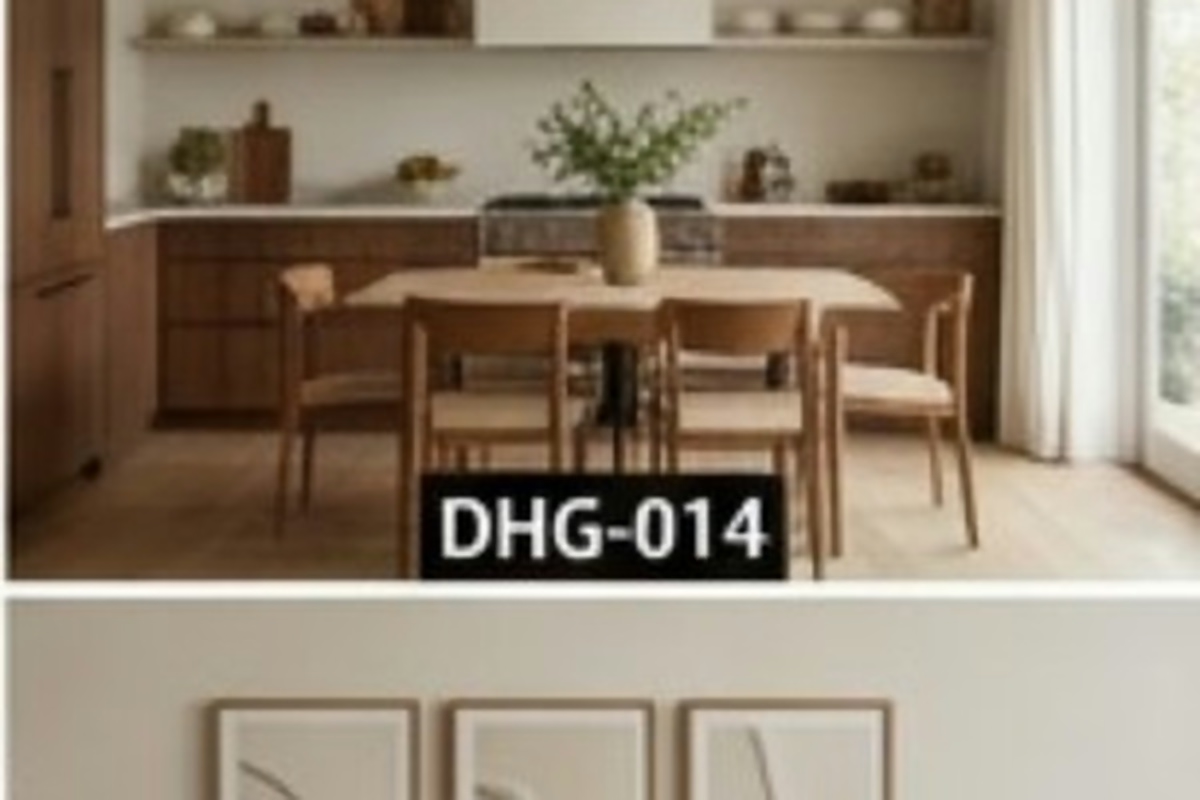
Stop trying to match every wood finish
A home can feel more natural when wood finishes are related without being identical. Floors, cabinets, furniture, trim, and decorative pieces rarely need to come from one finish family. In fact, forcing every wood to match can make a room feel more like a showroom than a home.
The better goal is visual agreement. Look at whether the woods feel warm or cool, light or dark, smooth or heavily grained. Once you understand those qualities, you can decide where contrast will add interest and where repetition will create continuity.
Identify undertones first
Wood can lean honey, red, orange, brown, gray, or nearly neutral. Put samples or objects together in the actual room and look at them in daylight. A walnut table beside an orange-toned oak floor may work, while two medium browns with competing red undertones may feel less settled.
You do not need technical color analysis. Compare the pieces side by side and ask which one looks warmer, cooler, lighter, darker, or more yellow. That simple observation is often enough to prevent an accidental clash.
Use one wood as the background
If the floor is a strong wood tone, let it become the background. Furniture can contrast with it instead of competing with it. If the cabinetry dominates the room, choose smaller furniture pieces that either echo the cabinet tone or deliberately move lighter or darker.
The background wood should usually appear in more visual area than the accent woods. This creates a hierarchy and keeps the room from feeling like a collection of unrelated samples.
Repeat an accent wood at least twice
One of the easiest ways to make a new wood finish feel intentional is to repeat it. If you add a dark walnut sideboard, echo that depth in a picture frame, lamp base, or small table. The repeated note tells the eye that the finish belongs in the room.
The repetition does not have to be exact. Similar depth or undertone can be enough. What matters is that the accent appears more than once.
Bridge contrasting woods with fabric and color
When two wood tones are far apart, use non-wood materials between them. A rug, upholstered chair, painted cabinet, stone surface, or textile can act as a buffer. This is especially useful when a dark table sits on a light floor.
Color can bridge wood too. A muted green, blue, cream, or rust accent can appear near both finishes and help the room read as a single composition. The bridge does not have to be another wood.
Use grain and texture deliberately
Wood tone is only one part of the visual effect. Grain direction, sheen, edge shape, and texture also matter. Two woods with similar color can still look very different if one is highly figured and glossy while the other is quiet and matte.
If you already have a dramatic grain, keep nearby wood pieces simpler. Conversely, a quiet wood palette can benefit from one piece with visible character.
Practical checkpoint: check the whole sightline
Wood is often repeated across connected rooms. Stand at the entry and look through doorways into the next space. A finish that works alone may become distracting if the same sightline contains five competing wood tones.
You do not need one finish throughout the home. Instead, make sure each transition has a reason. A change can mark a new room, furniture zone, or architectural feature.
A simple wood-tone formula
Choose one dominant background wood, one contrasting accent wood, and one repeated bridge color. Add a third wood only if it serves a clear purpose. This gives you variety without losing control.
The most successful mixed-wood homes feel collected because the materials have been allowed to age and evolve. Perfect matching is not the goal; a readable relationship is.
Where mixed wood works best
Mixed wood is particularly effective in homes where the architecture already contains more than one finish. Older houses often have original floors, painted trim, cabinets, and furniture collected at different times. Rather than forcing all of those elements into one finish, use repetition to make the differences feel intentional. In an open-plan home, choose one wood as the visual background and repeat the accent finish in smaller pieces. In separate rooms, allow more variation but keep the undertones related where the sightlines connect.
Common mistakes to avoid
The biggest mistake is choosing wood by name rather than by appearance. Two finishes both labeled oak can look very different, while a walnut table may sit comfortably with a warm oak floor. Another mistake is introducing a new wood every time you buy furniture. Keep a simple record of the dominant finishes in each room and ask whether a new piece repeats, contrasts, or bridges them. If it does none of those things, it may be the wrong finish even if the furniture itself is attractive.
Frequently asked questions
How many wood tones can one room handle?
There is no fixed maximum. Two or three are usually easier to coordinate, while additional tones require stronger repetition and a clear visual hierarchy.
Should wood floors match kitchen cabinets?
No. Contrast can look intentional when undertones, proportions, and connecting materials are considered. A rug or countertop can help bridge the difference.
Can light oak and walnut work together?
Yes. The strong light-dark contrast can be attractive when one tone is dominant and the other is repeated in smaller pieces.
Treat where mixed wood works best as a practical decision that needs to work during normal use. Confirm dimensions and compatibility, identify the condition that may cause failure, and make one controlled change at a time. Follow the instructions for the chosen materials and keep service or cleaning access available.
For common mistakes to avoid, compare the intended result with the current condition before spending more. Check fit, maintenance, access, and the risk of creating a new problem elsewhere. If inspection reveals structural damage or a safety concern, pause the DIY work and get qualified guidance rather than covering the symptom.