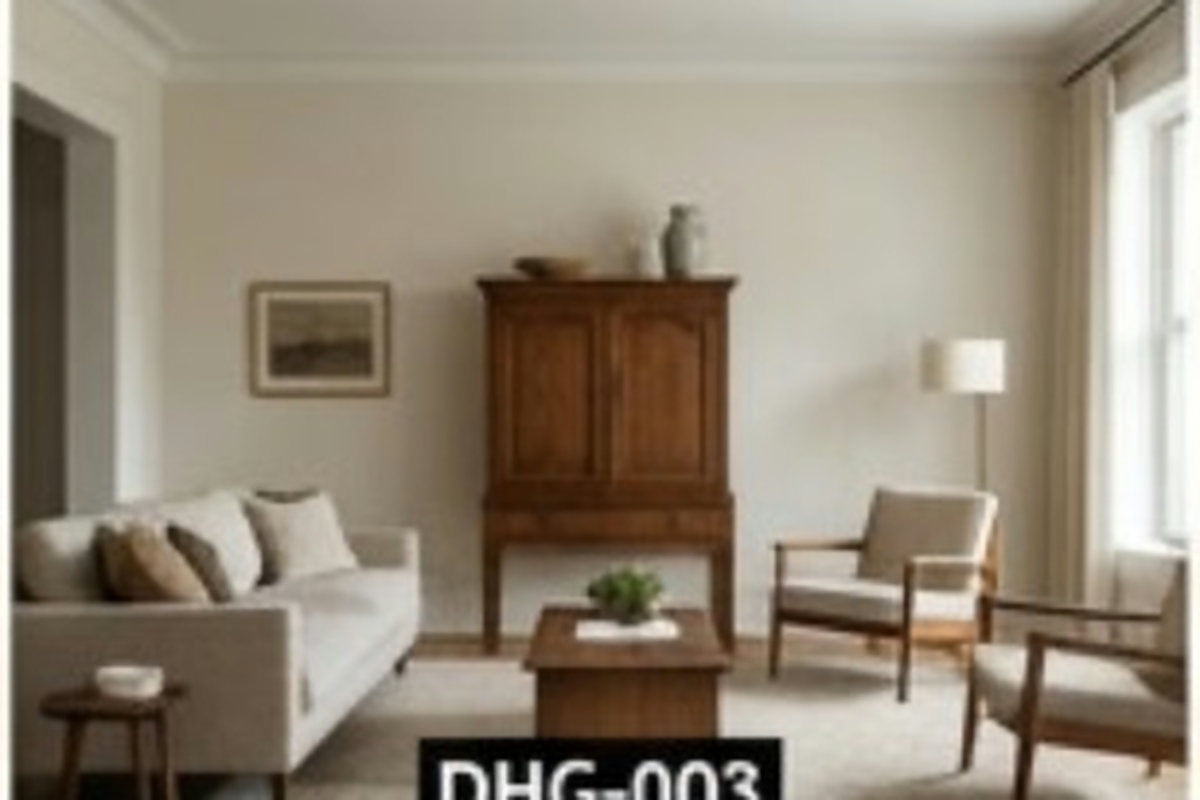
Blend older pieces, modern comfort, and personal finds into a room that feels collected rather than staged.
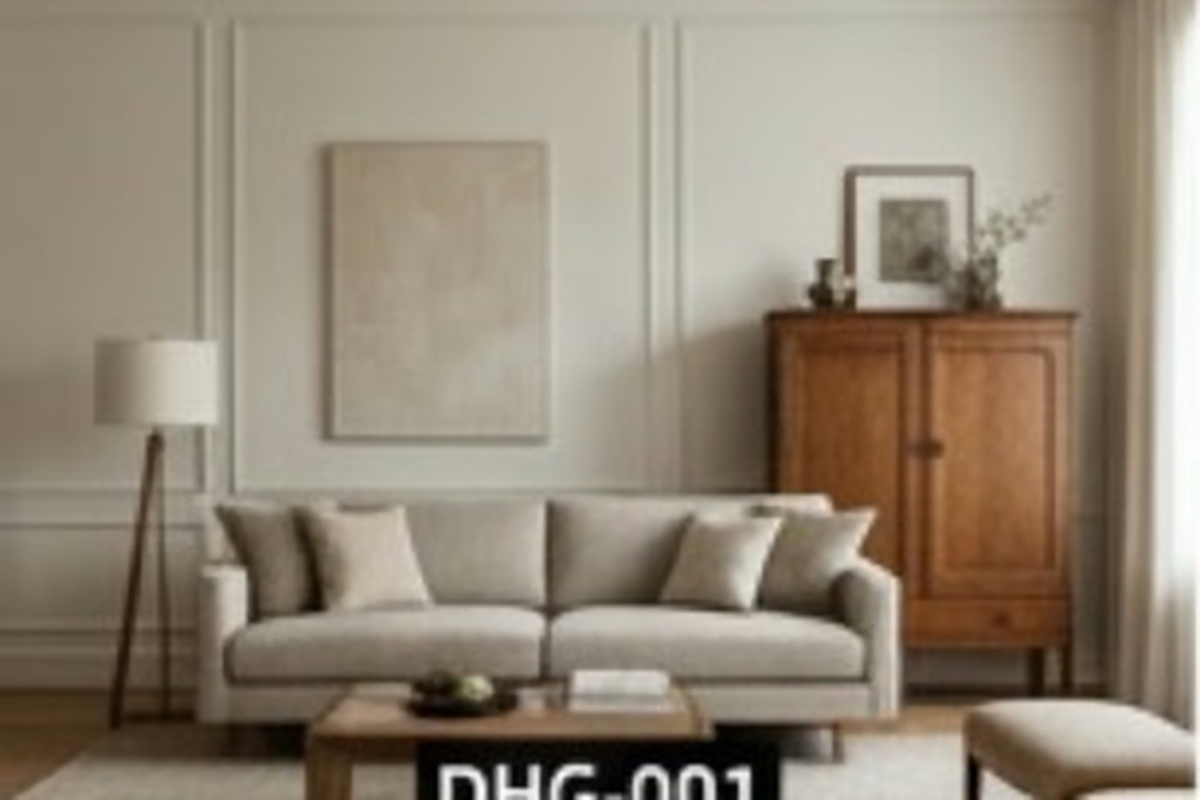
Start with one clear visual anchor
When a room mixes eras successfully, one element usually gives the eye somewhere to begin. It might be a vintage wood cabinet, a contemporary sofa, an old landscape painting, or a sculptural light. The goal is not to make every piece compete for attention. Choose the strongest character piece first, then let newer and quieter pieces support it.
In a typical American living room, this can be as simple as keeping a comfortable modern sofa while introducing a vintage sideboard or an older coffee table. The contrast works because the functions are familiar even when the shapes and finishes come from different periods. Start with what you already love instead of shopping for a complete style package.
Use repetition to connect different eras
Mixing styles becomes easier when a detail appears more than once. Repeat a warm wood tone in a frame, side table, or bowl. Repeat a color from an antique textile in a modern pillow. Repeat a rounded shape through a mirror, lamp, or chair. These small echoes tell the eye that the pieces belong to the same room even when they do not belong to the same decade.
Repetition is especially useful when your vintage pieces are visually strong. Rather than adding more vintage objects, borrow one of their colors or materials and repeat it in contemporary items. This creates continuity without turning the room into a period set.
Balance old shapes with modern comfort
Vintage furniture can bring beautiful proportions and patina, but daily life still needs comfort. A dining chair may look wonderful but feel tiring after an hour. An antique cabinet may be charming but offer little practical storage. Keep the pieces that add character and solve comfort or function with newer items where appropriate.
A useful rule is to let the eras disagree on appearance while agreeing on purpose. A modern sofa can sit beside an old trunk used as a table. A vintage desk can support a current task chair. A traditional dresser can hold modern lighting and everyday charging. The room feels more authentic when the objects are actually useful.
Keep the color palette calmer than the furniture mix
A room can handle more stylistic variety when the color story is controlled. If the furniture already includes several wood finishes, textiles, and silhouettes, avoid adding a new color at every turn. Choose a base of two or three quiet neutrals, then repeat one or two stronger accent colors.
This does not mean everything should match. Warm ivory, walnut, muted green, aged brass, and a small amount of burgundy can coexist comfortably because their visual temperature is related. If a vintage piece has a loud finish, give it breathing room instead of surrounding it with equally loud accessories.
Mix materials, not just furniture eras
One reason collected rooms feel rich is that the eye moves across different textures. Pair smooth painted surfaces with grainy wood, woven textiles, aged metal, ceramic, glass, or stone. Material contrast can make a simple room feel layered even when the furniture count stays low.
Use materials as a bridge between old and new. A contemporary linen sofa can soften a dark antique table. A vintage brass frame can echo a new metal lamp. A handmade ceramic bowl can make a sleek console feel less formal. These transitions are often more convincing than buying several matching accessories.
Let one area stay quiet
Collected does not mean crowded. Give the room at least one relatively calm zone where there is more wall, floor, or visual space than objects. Negative space makes the interesting pieces easier to notice and prevents the room from feeling like a flea-market display.
If the bookcase is full of character, keep the adjacent wall simple. If a large antique mirror is the focal point, reduce the number of objects on the console below it. Editing is what turns a collection of good pieces into a coherent room.
Practical checkpoint: edit for real life
Before buying anything new, walk through the room at the time of day you actually use it. Can you reach the lamp switch? Is there a clear place to set a drink? Does the vintage cabinet open without hitting a chair? Can the rug be cleaned? These questions matter more than whether every object fits a design label.
If a piece is beautiful but constantly gets in the way, move it or give it a different job. The best mixed-era rooms look personal because they reflect how people live, not because they perfectly reproduce a decorating trend.
A simple old-and-new formula
For a first pass, try one vintage anchor, one modern comfort piece, one repeated color, one repeated material, and one meaningful personal object. Then stop and live with the room for a week. You will notice what feels too busy, what feels empty, and what is genuinely useful.
The goal is not to create a room that looks finished in a photograph. It is to create a room that feels as though it has developed naturally over time. A few excellent contrasts are usually more convincing than a room full of carefully coordinated objects.
Frequently asked questions
Can I mix different wood finishes in a vintage-modern room?
Yes. The finishes do not need to match exactly. What matters is giving the room a visual bridge through repeated colors, related undertones, or a consistent material elsewhere. Avoid introducing many tiny wood finishes without a reason.
How many vintage pieces should a modern room have?
There is no fixed number. One substantial vintage piece can be enough to change the character of a room. Add more only when each item has a useful role or a meaningful visual reason to be there.
How do I keep a mixed room from looking cluttered?
Edit by function and visual weight. Keep surfaces partly open, group smaller objects, and create at least one quiet zone. A room usually feels more collected when it contains fewer, better-connected pieces.
For practical checkpoint: edit for real life, start with actual measurements and the routine the room needs to support. Confirm that doors, drawers, windows, outlets, and walking paths remain usable, then choose pieces that fit the clear space rather than the full wall measurement. Test the arrangement before buying accessories.