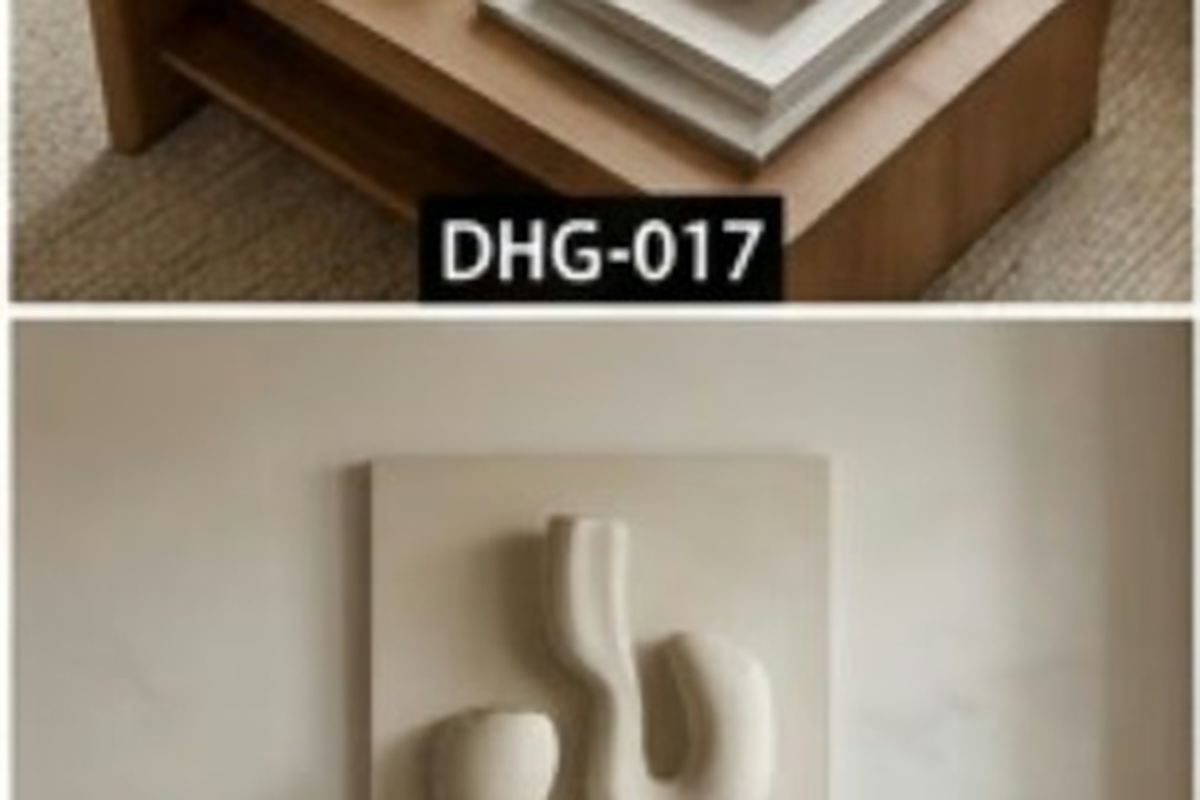
Use brown wood, textiles, leather, and small accents to add warmth while keeping a room light, balanced, and comfortable.
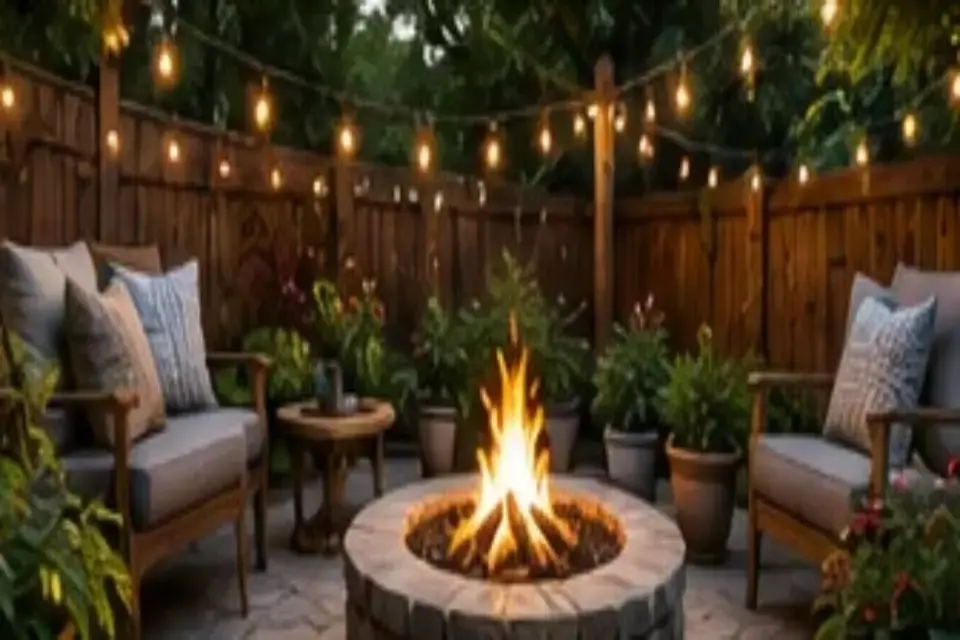
Choose the right brown for the room
Brown is not one color. Walnut, caramel, cocoa, mushroom, chestnut, tobacco, espresso, and taupe can create very different effects. Before adding brown decor, look at the natural light and the existing floor or cabinetry. A deep brown can be beautiful in a bright room, while a low-light room may benefit more from caramel, mushroom, or warm taupe.
The easiest starting point is to choose one brown family rather than collecting unrelated shades. If your floor is a warm medium oak, a walnut table can create useful depth, while several orange-red browns may make the room feel visually busy. Think in terms of undertones rather than exact matching.
Use brown as an anchor, not a blanket
Brown works especially well when it gives weight to one part of the room. A wood coffee table, leather chair, woven rug, or walnut frame can anchor a pale palette without turning the entire room dark. This approach also makes the color easy to change later because the largest surfaces can remain neutral.
In a living room, try a light sofa with a medium-brown table and a few deeper brown accents. In a bedroom, brown can appear through the headboard, nightstands, bedding border, or picture frames. The room gains warmth without becoming monochromatic.
Pair brown with light reflective surfaces
If brown starts to feel heavy, introduce surfaces that bounce light. Warm white walls, pale upholstery, linen, light stone, glass, and softly reflective metals can keep the palette open. The goal is not high shine everywhere; it is contrast in lightness and texture.
Window treatments matter too. Floor-length curtains in a soft neutral can frame the room while keeping daylight visually connected to the interior. A pale rug can also separate dark furniture from a dark floor and make the seating area feel lighter.
Build warmth with texture
Brown becomes more interesting when its texture changes. Smooth walnut reads differently from woven rattan, brushed leather, wool, or rough ceramic. This is useful because a room with several brown objects can otherwise become a flat block of color.
Use one or two tactile materials at a time. A leather chair beside a linen sofa, or a walnut table over a wool rug, gives the eye enough variation. Avoid making every accessory brown; let natural wood, fabric, greenery, and art create the supporting layers.
Use green, blue, or cream as a counterpoint
Brown pairs naturally with colors that appear beside it in nature. Olive and muted green make wood feel organic. Deep blue can sharpen brown and give it a more tailored quality. Cream and warm white make brown feel softer and more relaxed.
Choose one supporting color and repeat it rather than creating a rainbow. A few olive pillows can echo a plant, or a blue artwork can connect with a small ceramic object. Repetition keeps the palette intentional.
Keep dark brown pieces visually separated
Two large dark pieces placed directly beside each other can make a room feel heavier than the same pieces separated by lighter surfaces. If you have a dark cabinet and dark sofa, use a pale wall, lighter artwork, or an open area between them to create visual relief.
You can also lift heavy furniture with legs, open shelving, or glass. The objective is to preserve the richness of brown while allowing the eye to move through the room.
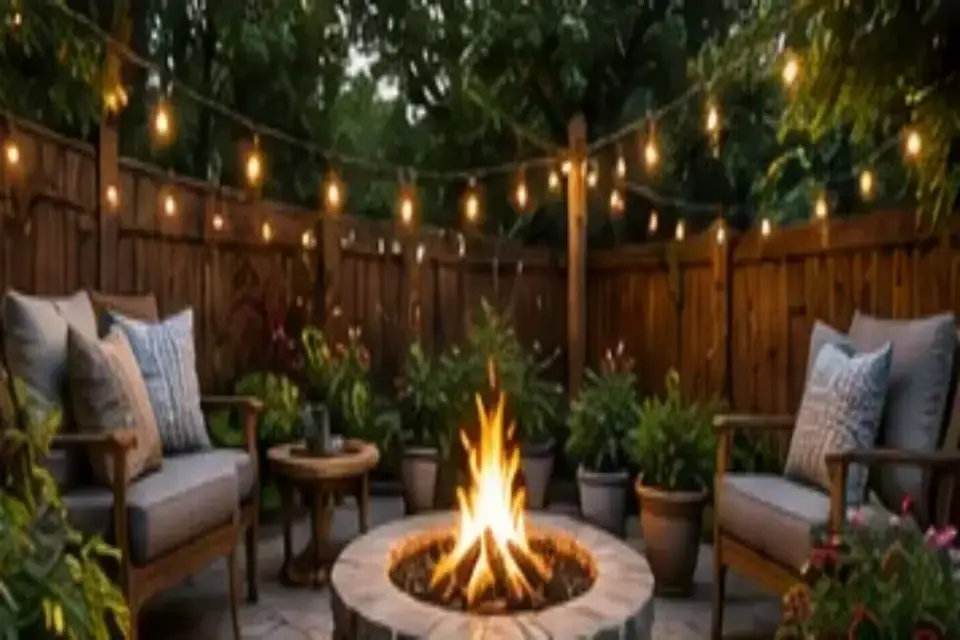
Practical checkpoint: test the palette at night
Brown often looks wonderful in daylight and much darker after sunset. Turn on the room lights before making final decisions. A warm table lamp, floor lamp, and indirect accent light can reveal texture and prevent dark furniture from disappearing into the background.
If the room still feels heavy, do not immediately repaint. First remove one dark accessory, add a lighter textile, or move a lamp closer to the seating area. Small changes can alter the perceived balance considerably.
A simple brown decorating formula
Start with a light base, add one medium-brown anchor, repeat brown in two smaller places, and introduce one natural green or blue note. Finish with texture rather than more color. This gives brown enough presence to feel intentional without letting it dominate.
Current fall design coverage is also leaning toward warmer, more personalized interiors rather than sterile minimalism, which makes brown particularly useful as a flexible bridge between modern furniture and natural materials. The best result is still the one that fits your home rather than a trend chart.
Frequently asked questions
Is brown a good color for a small room?
Yes, especially when used through furniture and accessories rather than every wall and surface. Keep enough light values in the room so the brown reads as depth instead of enclosure.
What colors make brown decor look modern?
Warm cream, muted olive, dusty blue, and restrained black or brass can all work. The key is repetition and proportion rather than the exact accent color.
Can brown and gray work together?
They can, but undertones matter. Warm brown usually works better with warmer gray, greige, stone, or taupe than with a very cool blue-gray.
Test the room at the times it will actually be used. Open drawers and doors fully, walk through with a laundry basket or serving tray if relevant, and check whether light switches, outlets, and vents remain accessible. A layout that looks good from the doorway is not finished until routine movement feels comfortable and storage can be reached without moving other items.
Keep a simple brown decorating formula connected to comfort and daily movement. Measure from finished surfaces, allow room for doors and chairs to move, and choose finishes that are practical to clean. Leave some flexible capacity so the room can adapt rather than filling each corner with another item.
For frequently asked questions, start with actual measurements and the routine the room needs to support. Confirm that doors, drawers, windows, outlets, and walking paths remain usable, then choose pieces that fit the clear space rather than the full wall measurement. Test the arrangement before buying accessories.