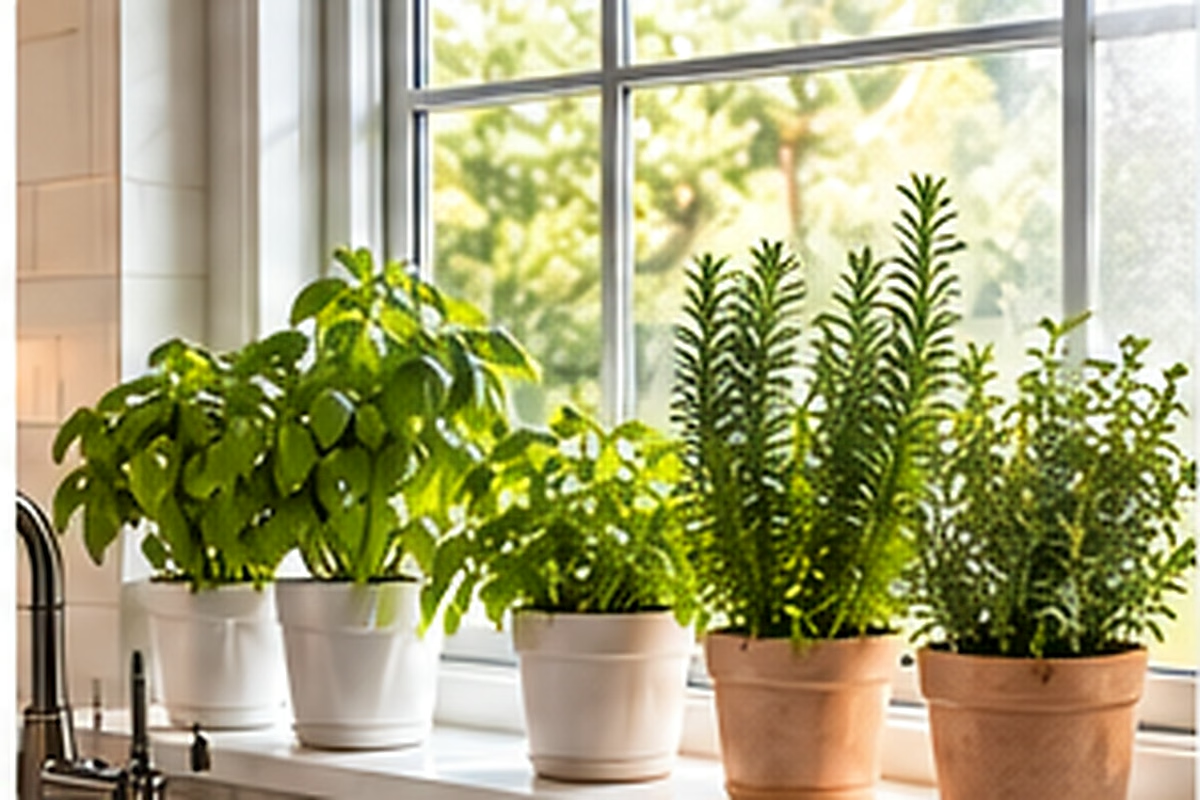
Learn how to adjust houseplant watering for fall and winter as light, temperature, and growth change without creating dry-stress or root problems.
Think of fall watering as a transition, not a switch
When daylight shortens and indoor temperatures change, many houseplants slow down. The practical response is to reassess how often they need water rather than turning the routine off overnight. Illinois Extension advises that winter houseplants are generally watered less often and that southern or western exposures may dry sooner than east- or north-facing locations. University of Minnesota Extension likewise advises decreasing watering for houseplants being prepared for the drier indoor season. The important word is “decreasing,” not “stopping.” Your plant, pot, soil, light, and room still determine what it needs. Fall is a good time to replace the calendar reminder with a simple inspection routine.
Move from the calendar to the soil
A weekly watering schedule feels efficient until weather and indoor conditions change. In fall, the same pot can stay moist longer because the plant receives less light or cooler air. Before watering, check the growing medium using the method appropriate for the plant. Look at leaf condition and the weight or feel of the container if that helps you judge moisture. The goal is to avoid both extremes: letting a plant repeatedly wilt and keeping its roots wet without need. Once you start checking the soil, watering becomes a decision based on the plant in front of you rather than a date on the calendar.
Expect different plants to slow down at different rates
A collection of houseplants is not one plant. A fast-growing foliage plant in a bright window may continue using water while a lower-light plant slows considerably. Tropical plants can also respond differently from succulents or cacti. That is why “water all plants every ten days” is still only a guess. Group plants by similar needs and light where possible. Then inspect each group together. If a plant is consistently wet, look at light level, pot size, drainage, and soil rather than simply waiting longer. Seasonal care becomes easier when the room is organized around real plant needs.
Watch the heating system as much as the calendar
Indoor heat can make the air drier while also creating localized warm drafts. A plant near a vent may dry differently from one in a quiet corner, even if both are in the same room. Do not solve dry air by keeping the soil constantly wet. Illinois Extension recommends paying attention to humidity and air movement for houseplants during winter. Move plants away from direct hot-air blasts when practical, and use a humidity strategy suited to the plants you grow. A stable location is usually easier to manage than moving plants repeatedly. The aim is a predictable microclimate, not a perfect number.
Let the pot tell you what the room is doing
Container size, soil type, drainage holes, and root density change how fast a plant dries. A large pot holding a small root system can stay wet much longer than a crowded pot with a mature root system. Older plants may also have roots that affect drainage. When watering seems inconsistent, inspect the pot rather than blaming the calendar. A pot that feels heavy and stays wet for a long time deserves a different approach from a small container that dries quickly in a sunny window. Seasonal adjustment is easier when you understand the container system.
Do not confuse yellow leaves with a simple watering rule
Yellow leaves are a signal to investigate, not automatic proof that a plant is thirsty or overwatered. Older leaves can age naturally, while yellowing can also relate to root stress, light changes, pests, or environmental shifts. Look for patterns: Is the soil staying wet? Are new leaves healthy? Is the plant leaning toward a window? Have pests appeared? These questions narrow the problem better than immediately increasing or decreasing water. A short note beside the plant can help you remember what you changed. Make one adjustment at a time when possible so you can see whether it helped.
Build a simple fall watering station
Make the routine physically easy. Keep a small watering can, moisture-checking tool if you use one, and a saucer or tray in a place that is convenient but dry. Group plants with similar watering needs. Check several plants during the same pass, but water only those that need it. This reduces the common problem of watering because you are already holding the can. It also makes it easier to notice pests, dust, leaf damage, and drainage problems. A good care system is not complicated; it removes the friction that causes inconsistent decisions.
Reset again when winter light becomes the main factor
Fall is only one transition. By midwinter, daylight and plant growth can be different again. Recheck plant placement and watering frequency instead of assuming the September routine will remain correct through January. If a plant is moving to a lower-light position, expect its moisture use to change. If you add supplemental light, the plant may respond differently. Seasonal care should be iterative. Your best guide is the combination of soil moisture, plant growth, temperature, and light—not a universal schedule copied from a different home.
Practical checkpoint
Pick one plant and track it for two weeks: record the day you water, how the soil feels before watering, and what the newest growth looks like. Use the observation to adjust the routine before changing the whole collection.
Frequently asked questions
Should houseplants be watered less in fall?
Many houseplants need less frequent watering as light and growth decrease, but the exact change depends on the plant, soil, pot, and room conditions.
How do I know when to water?
Use the moisture of the growing medium and the plant’s condition as your guide. Avoid relying on a fixed weekly schedule.
Can dry indoor air mean I should water more often?
Dry air can affect humidity needs, but it does not automatically mean the roots need more water. Address soil moisture and humidity as separate parts of plant care.
Further reading
For the practical details behind this guide, see: Illinois Extension: Houseplants, winter watering, and humidity · University of Minnesota Extension: August garden checklist