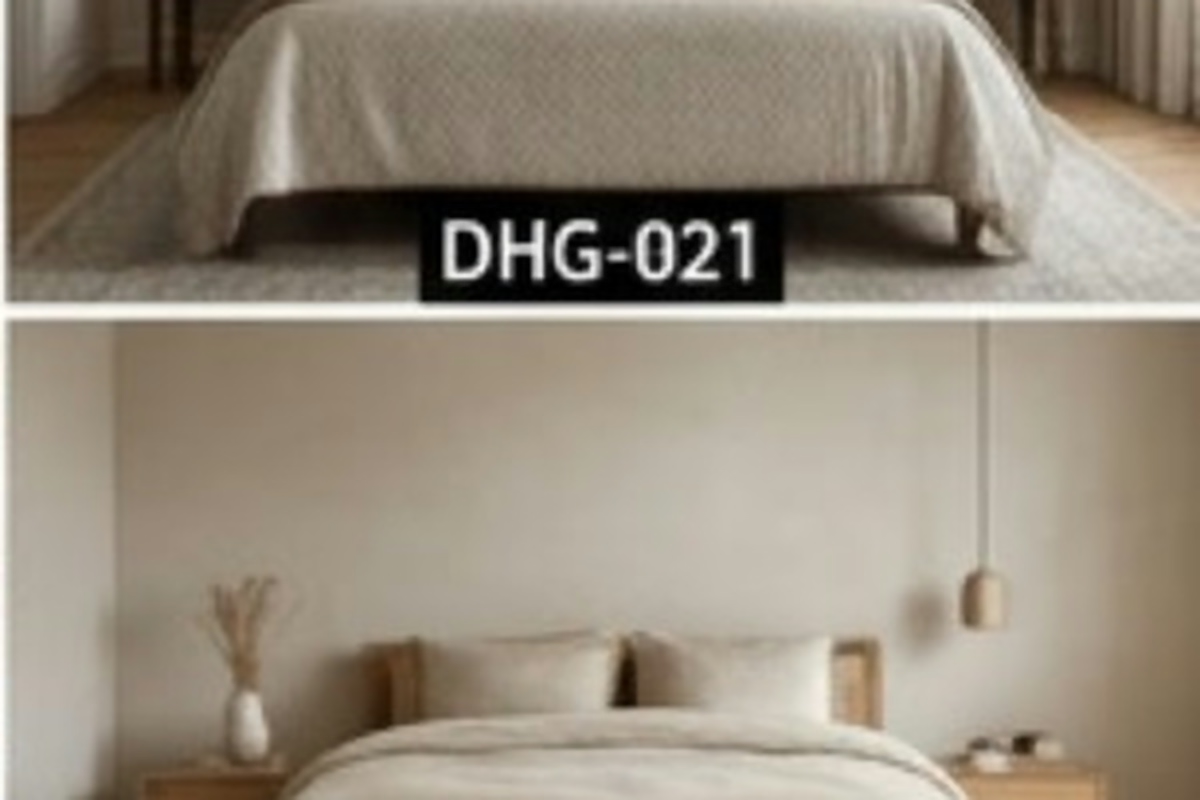
Create a calm, uncluttered home with natural materials, useful furniture, soft contrast, and enough personality to avoid a sterile look.
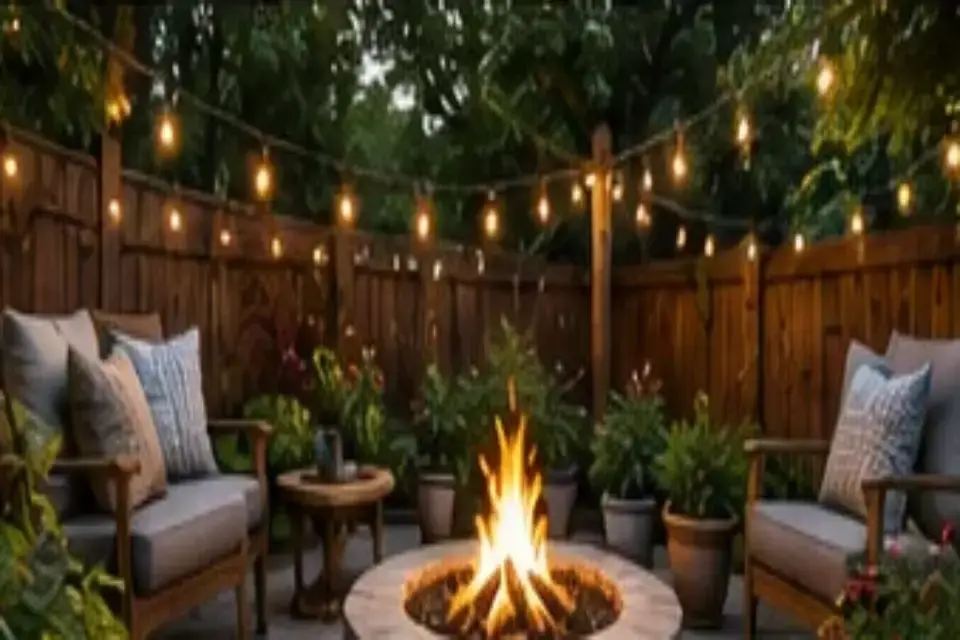
Start with function, not emptiness
Warm minimalism is not a contest to own as little as possible. It is a way of editing the home so the things that remain are useful, comfortable, or meaningful. A room can contain books, art, plants, textiles, and personal objects while still feeling calm.
Begin by identifying the activities the room must support. A living room needs comfortable seating and places for everyday objects. A bedroom needs restful lighting and easy storage. Minimalism becomes warmer when it follows real life instead of an abstract visual rule.
Measure the room before choosing a layout: note wall lengths, door swings, window locations, outlets, vents, and the clear path between entrances and frequently used areas. Photograph the current arrangement and identify where people pause or bump into furniture. These real constraints should guide the plan more than a showroom arrangement that assumes unlimited space.
Choose materials with tactile variation
Natural wood, linen, wool, stone, ceramic, and woven fibers add depth without requiring many objects. A restrained palette can feel rich when the surfaces have different textures and subtle imperfections.
Use texture to replace some of the visual noise that comes from decoration. A wool rug and linen curtain may provide enough variation that you do not need several additional accessories.
Use warm neutrals with one stronger note
Warm white, sand, mushroom, taupe, and natural wood create an easy base. Add one deeper color—olive, rust, ink blue, or brown—through a chair, artwork, textile, or small object.
The stronger note gives the room personality. It also creates a place for the eye to land so the space does not become a featureless beige field.
Keep furniture comfortable and visually quiet
Furniture is often the largest visual layer, so simple silhouettes can help the room feel calm. That does not mean every piece must be boxy or modern. A rounded chair, vintage table, or soft sofa can add character without creating clutter.
Choose fewer pieces with useful proportions. If a room contains too much furniture, even a neutral palette will feel crowded.
Let personal objects be the decoration
A warm minimalist home becomes more convincing when the objects have a story. A favorite book, framed photograph, inherited bowl, handmade ceramic, or travel object can carry more personality than a shelf full of generic accessories.
Display a few meaningful pieces at a time. Rotate them seasonally if you enjoy changing the room without accumulating more stuff.
Use lighting to create evening warmth
Minimal rooms can feel cold after sunset if the only light comes from the ceiling. Add lower sources such as table lamps, floor lamps, or warm accent lighting where practical. The goal is to create pools of light rather than one bright wash.
Lighting also reveals texture. A linen curtain, plaster-like wall, or wood surface becomes more dimensional when light arrives from the side.
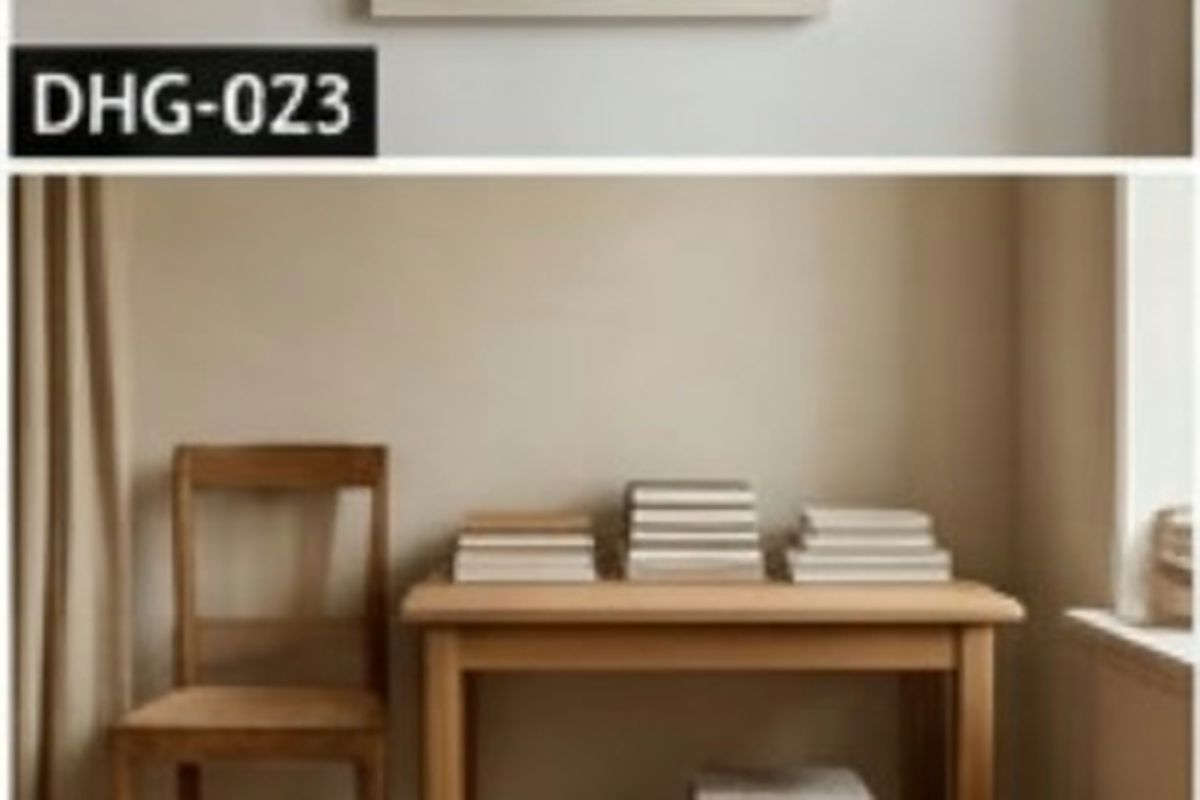
Practical checkpoint: remove one thing
After arranging the room, remove one object from each major surface. If the room immediately feels better, the previous arrangement was carrying too much visual information. If it feels empty, return only the item that adds the most meaning or function.
This editing exercise is simple, but it prevents minimalism from becoming a shopping project. The answer is often subtraction, not another decorative purchase.
A warm-minimal formula
Use a calm base, one deeper accent, natural texture, comfortable furniture, layered lighting, and a small number of meaningful objects. Then leave some space untouched.
The room should feel peaceful without feeling anonymous. The difference is personality: warm minimalism has enough evidence of the people who live there to feel like a home.
Where warm minimalism works best
Warm minimalism is useful when a home feels visually crowded but the goal is not to remove all personality. It can be especially effective in open-plan homes, small apartments, and bedrooms where visual calm supports the way the room is used. Start with the largest surfaces and furniture pieces, then introduce texture and a few meaningful objects. The method is less about a strict style and more about creating a clear hierarchy.
Common mistakes to avoid
The common mistake is confusing minimalism with emptiness. A room with no texture, art, books, or personal objects can feel unfinished rather than calm. Another mistake is buying a new neutral accessory every time a surface looks empty. Edit first. Finally, avoid using only one material; even a restrained room needs variation in texture and shape to feel comfortable.
Frequently asked questions
Is warm minimalism the same as Scandinavian style?
They can overlap, but they are not identical. Warm minimalism is a broader approach centered on restraint, function, texture, and personal meaning.
How do I make a minimalist room cozy?
Add texture, comfortable furniture, warm lighting, natural materials, and a few personal objects. You do not need more furniture or more decorations.
Can vintage furniture work in warm minimalism?
Yes. One well-chosen vintage piece can add character and patina while the rest of the room stays visually calm.
For where warm minimalism works best, start with actual measurements and the routine the room needs to support. Confirm that doors, drawers, windows, outlets, and walking paths remain usable, then choose pieces that fit the clear space rather than the full wall measurement. Test the arrangement before buying accessories.
Keep common mistakes to avoid connected to comfort and daily movement. Measure from finished surfaces, allow room for doors and chairs to move, and choose finishes that are practical to clean. Leave some flexible capacity so the room can adapt rather than filling each corner with another item.
For frequently asked questions, start with actual measurements and the routine the room needs to support. Confirm that doors, drawers, windows, outlets, and walking paths remain usable, then choose pieces that fit the clear space rather than the full wall measurement. Test the arrangement before buying accessories.
Observe how the room is used across a normal day, including where bags collect, which drawers need to open, and where task lighting is missing. Measure the largest pieces and the clearances around them. A small layout sketch with fixed features marked is often enough to identify the main problem before buying storage or replacing furniture.