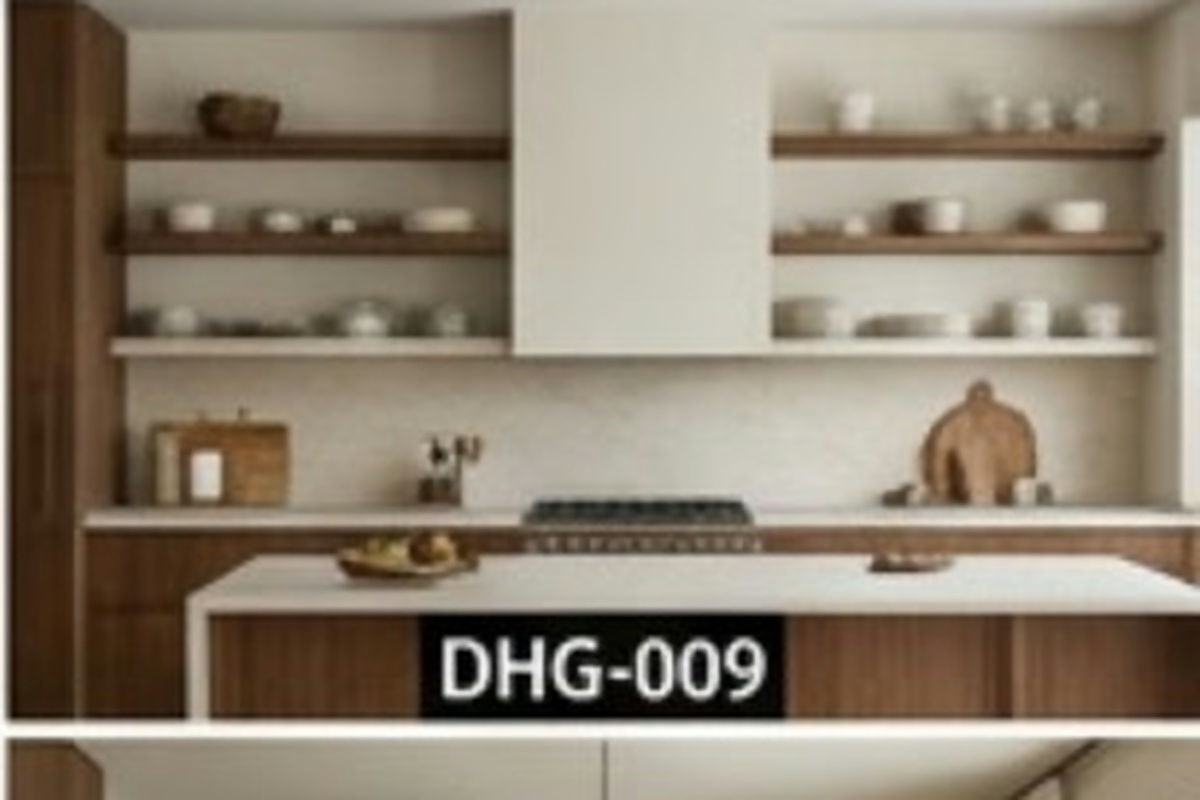
Bring art, textiles, lighting, furniture, and personal objects into the kitchen so it feels lived-in without sacrificing function.

Treat the kitchen as part of the home
A kitchen is a work space, but it is also one of the places where people gather. Current design coverage is increasingly treating kitchens as rooms rather than equipment zones, with softer lighting, freestanding furniture, art, and more personal objects appearing alongside functional cabinetry. That shift is useful even if you are not remodeling.
Begin by asking what makes the adjacent living room comfortable: a lamp, a chair, a piece of art, a rug, books, plants, or a table. Then identify which of those ideas can safely and practically cross into the kitchen.
Add one piece of furniture that is not built in
A freestanding cabinet, small sideboard, stool, dining table, or vintage cupboard can break up a wall of cabinetry. It also gives the room a more collected quality because not every element appears to have been installed at the same time.
Choose the piece for function first. A narrow cabinet can store serving pieces; a small table can become a breakfast spot; a bench can provide flexible seating. Keep enough clearance around doors, drawers, and walking routes.
Use lighting that supports the room after dark
Kitchen lighting often focuses on task work, but a comfortable room needs softer layers too. If the electrical layout allows it, combine overhead or recessed light with pendants, under-cabinet light, and a small lamp in a safe location away from water and heat.
The point is not to make every surface bright. Create a hierarchy so the work areas are clear while the dining or sitting edge can become calmer in the evening. Dimmable fixtures are especially useful when available.
Bring in art carefully
Art can make a kitchen feel less generic, but placement matters. Keep framed pieces away from direct heat, steam, and splash zones. A small artwork on a side wall or above a breakfast table can have more impact than a gallery crowded around the range.
Choose art for the room rather than for the kitchen category. Botanical prints, abstract work, photography, or family pieces can all work if the scale and palette connect to the rest of the home.
Use textiles to soften hard finishes
Kitchens contain many hard materials: stone, tile, metal, glass, and painted cabinetry. Textiles add softness. A washable runner, seat cushion, window treatment, or small textile accent can make the room feel warmer without changing the architecture.
Use textiles where they will not interfere with doors, appliances, or safe movement. In high-traffic kitchens, easy-clean materials usually outperform delicate fabrics even when the delicate option looks beautiful in a photograph.
Create a small display moment
Instead of decorating every counter, choose one place for a simple composition. A bowl of produce, a cutting board, a ceramic vessel, or a few cookbooks can create a visual focal point while remaining connected to kitchen life.
Keep work surfaces mostly clear. The kitchen feels more comfortable when the decorative layer does not compete with the practical layer.
Practical checkpoint: preserve the work triangle
Decor should never block the route between refrigerator, sink, cooktop, oven, and primary prep surface. Before adding furniture or a large decorative object, test the route while carrying a pan or grocery bag. If the piece makes the kitchen harder to use, it is not an upgrade.
The same rule applies to counter space. Leave enough clear surface for the tasks your household actually performs. A beautiful kitchen that cannot support breakfast, meal prep, or cleanup will quickly feel frustrating.
A room-like kitchen formula
Combine one freestanding element, one soft textile, one personal artwork, one warm light source, and one small display area. Keep the counters functional and the circulation clear. That is usually enough to make a kitchen feel more like a room without adding visual clutter.
The strongest kitchen decor is not decoration for decoration’s sake. It is a layer of personality that works with the architecture and makes ordinary routines feel more pleasant.
Where the room-like approach works best
This approach is especially useful in kitchens that open directly into a living or dining area. Because the kitchen is visible from other rooms, small decorative decisions can help the spaces feel related rather than disconnected. It also works well in older homes where the kitchen has accumulated freestanding furniture over time. Instead of hiding every mismatch, use the variation as part of the room’s character. The important condition is that the added pieces fit the kitchen’s actual circulation and cleaning routine.
Common mistakes to avoid
A common mistake is adding living-room objects that are not suited to kitchen conditions. Delicate textiles, unstable lamps, or artwork placed too close to steam can create maintenance problems. Another mistake is filling counters because the room feels empty. Counters are valuable work surfaces, so keep decoration concentrated in safer locations. Finally, avoid buying a complete new decor set. A kitchen usually feels more convincing when one or two personal pieces are mixed with the functional objects already there.
Frequently asked questions
Can I add a lamp to a kitchen counter?
Yes, if it is positioned safely away from water, heat, and areas where cords could interfere with work. A small lamp can add a useful evening layer.
Does a kitchen need decorative objects?
No. The goal is not to fill every surface. A few personal or useful pieces can make the room feel more lived-in without becoming clutter.
How do I make a white kitchen feel warmer?
Use wood, textiles, warm lighting, artwork, plants, and a few objects with natural variation. You do not need to change every white surface.
For where the room-like approach works best, start with actual measurements and the routine the room needs to support. Confirm that doors, drawers, windows, outlets, and walking paths remain usable, then choose pieces that fit the clear space rather than the full wall measurement. Test the arrangement before buying accessories.
Keep common mistakes to avoid connected to comfort and daily movement. Measure from finished surfaces, allow room for doors and chairs to move, and choose finishes that are practical to clean. Leave some flexible capacity so the room can adapt rather than filling each corner with another item.