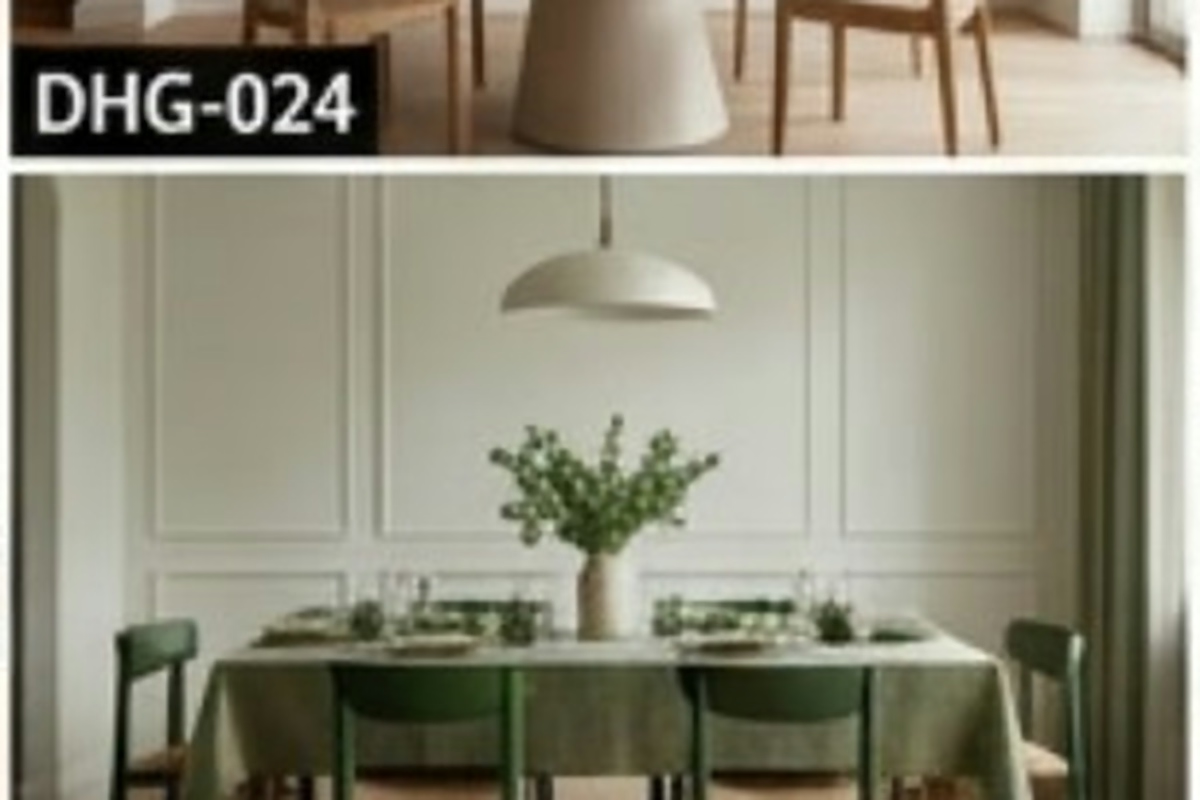

Create a dining table arrangement that feels polished for dinner but can be cleared quickly for homework, meals, and daily routines.
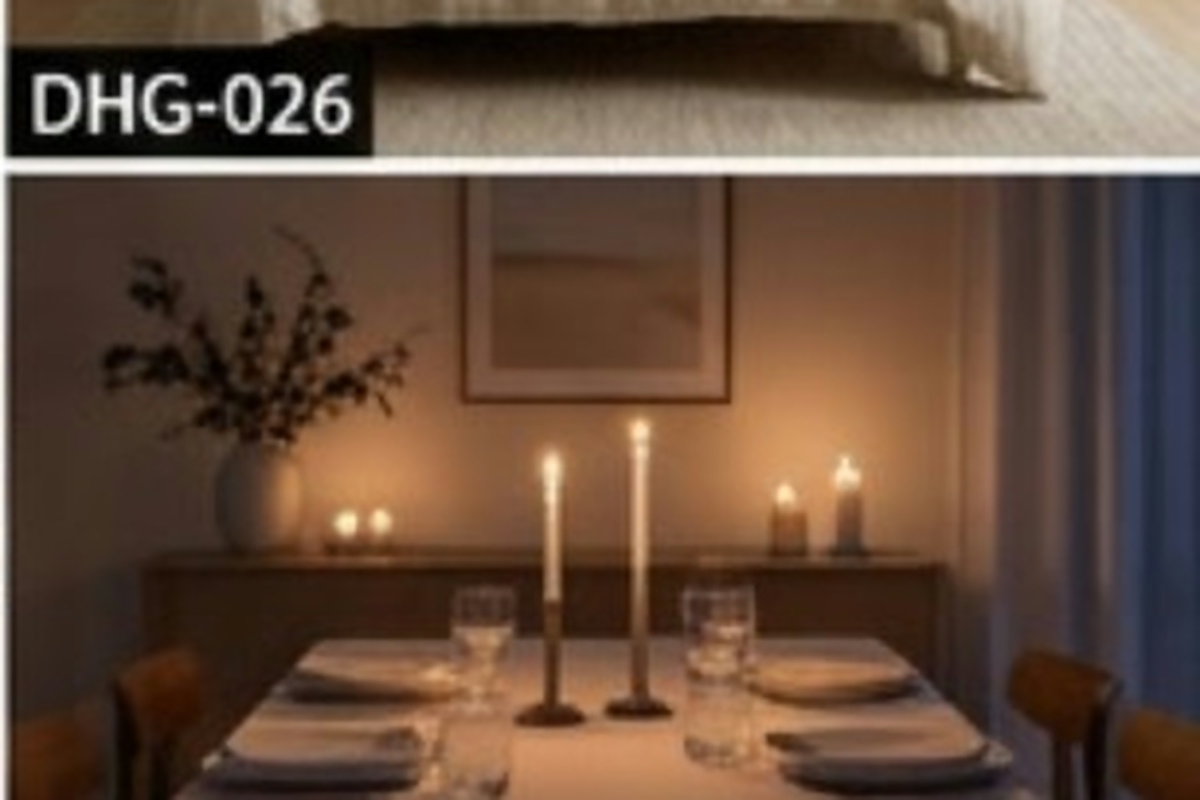
Decide whether the table is working or decorative
Many dining tables serve several jobs. They host meals, homework, paperwork, crafts, and sometimes mail. A permanent centerpiece that takes up the entire surface may look beautiful but become a daily obstacle. Start by deciding how quickly the table needs to change roles.
If the table is used every day, build a centerpiece that can move in seconds. A tray, bowl, or low vessel can be lifted away without dismantling a complicated arrangement.
For whether the table is working or decorative, check exposure, ground condition, and the way people or water move through the area before committing to a material. Keep access to doors, drains, and utilities clear, and confirm local requirements for structural or electrical work. A small layout check can reveal conflicts before installation starts.
Keep the center low enough for conversation
A dining table is social furniture. Tall flowers or branches can be beautiful, but if they block faces across the table, they are better moved to a sideboard or shortened. Low arrangements are easier to live with.
Use one strong central object or a loose group of low pieces. The scale should relate to the table length and room height.
Use natural materials for easy warmth
Wood, linen, stone, ceramic, and glass work across many dining styles. A simple bowl of fruit, a ceramic vessel, or a linen runner can add texture without locking the room into a particular season.
Natural materials also transition well between everyday meals and guests. You can add candles, flowers, or seasonal branches when entertaining without changing the entire base.
Repeat the dining room’s palette
Look around the room before choosing a centerpiece. Echo the wood tone of the chairs, the color of nearby artwork, or the metal finish of the light fixture. The table will feel connected rather than decorated in isolation.
You do not need a matching set. One repeated color is often enough to create a visual relationship.
Leave practical space around place settings
The center of the table should not prevent people from placing plates, serving dishes, or glasses. Keep the arrangement compact enough that it can stay in place during ordinary meals or be moved easily when the table is fully set.
For families, avoid fragile objects at the edges and consider how children reach across the table. Practicality is part of good styling.
Create a second layer for guests
When entertaining, add one or two elements rather than replacing everything. Candles, flowers, cloth napkins, or a seasonal bowl can create a more finished setting while the everyday foundation remains familiar.
This approach saves time and storage. You do not need separate table decor for every holiday.

Practical checkpoint: clear it in under a minute
Try clearing the table before you finalize the arrangement. If it takes several minutes to move everything, simplify the centerpiece. The goal is a dining room that supports life rather than requiring a maintenance ritual.
Use a tray or shallow basket when several small objects need to move together. This is especially helpful in homes where the table changes functions throughout the day.
A simple dining-table formula
Use one low centerpiece, one natural material, one repeated room color, and enough open surface for daily use. Add a temporary layer when guests arrive.
The most elegant dining tables often look slightly relaxed. A few useful objects and plenty of breathing room create a room that feels ready for people rather than staged for a photograph.
Where flexible table styling works best
Flexible table styling is especially valuable in homes where the dining room doubles as a homework, work, or craft area. A compact centerpiece can remain attractive without taking over the table, while a tray makes it easy to clear the surface before meals. In a more formal dining room, the same principle lets you keep an understated everyday arrangement and add flowers, candles, or linens when guests arrive. The foundation stays the same, so seasonal changes do not require a storage box full of separate centerpieces.
Common mistakes to avoid
The biggest mistake is choosing a centerpiece based only on height or visual drama. If it blocks conversation or takes up the space needed for serving dishes, it is working against the room. Avoid arrangements that require fragile pieces to be moved individually. Instead, group objects so they can be lifted together. Also keep the table’s material and cleaning routine in mind; delicate finishes may need a simpler arrangement than a durable family table.
Frequently asked questions
What is the easiest dining table centerpiece?
A low bowl, simple vase, tray, or ceramic vessel is easy to live with and can be changed seasonally. Choose something that can move quickly when the table is needed.
Should a dining table have a runner?
A runner is optional. It can visually lengthen the table and provide texture, but it should not interfere with place settings or everyday cleaning.
How do I decorate a dining table for fall without making it look themed?
Use natural branches, muted colors, linen, wood, or a few real seasonal elements rather than a collection of novelty decorations.
For where flexible table styling works best, check exposure, ground condition, and the way people or water move through the area before committing to a material. Keep access to doors, drains, and utilities clear, and confirm local requirements for structural or electrical work. A small layout check can reveal conflicts before installation starts.
Use the actual weather and use pattern to assess common mistakes to avoid. Look for slipping, movement, erosion, or water collecting where it should not. Choose a repair that addresses the cause, follow manufacturer instructions, and get professional advice when the work affects structure, grading near a building, or regulated services.
For frequently asked questions, check exposure, ground condition, and the way people or water move through the area before committing to a material. Keep access to doors, drains, and utilities clear, and confirm local requirements for structural or electrical work. A small layout check can reveal conflicts before installation starts.