
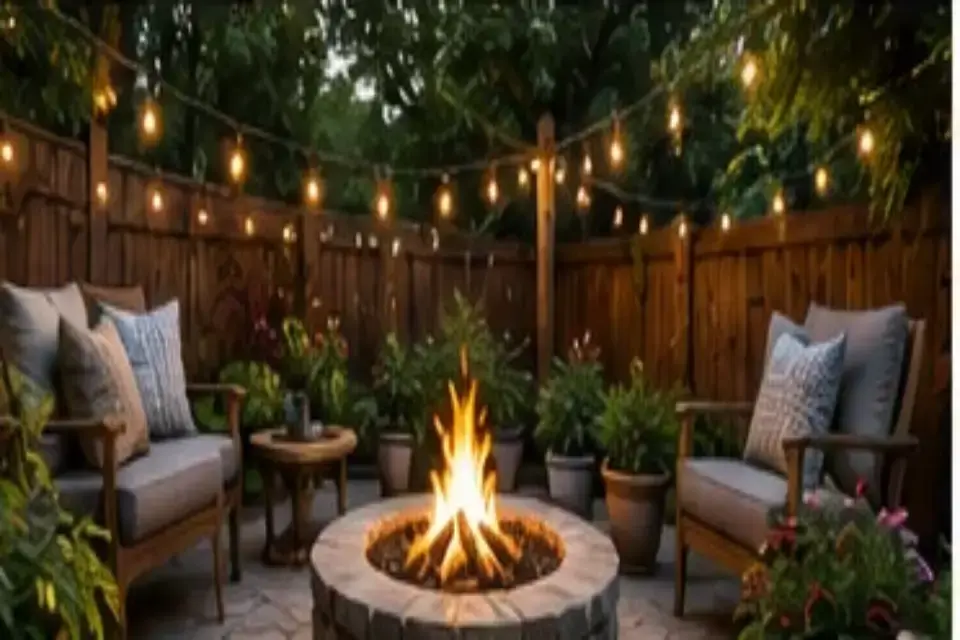
Outdoor furniture is designed to live outside, but that does not mean it should be treated as maintenance-free. A patio chair can tolerate sun and rain while still developing faded fabric, trapped moisture, loose hardware, surface staining, or corrosion over time. The problem becomes easier to manage when you stop thinking about protection as one product and start looking at the conditions your furniture actually faces. Late summer is a useful point to do that because outdoor seating is still being used heavily in many parts of the United States, while heat, sudden storms, humidity, pollen, and longer periods of dampness can all affect the way furniture dries.
Google Trends is useful here as a signal rather than a shopping list. Recent U.S. trend reporting based on Google search data has identified outdoor furniture as one of the strongest recurring backyard-related search categories, while related outdoor-living terms show clear seasonal patterns. That does not prove that every homeowner needs a particular product, but it does suggest that outdoor spaces remain an active planning and maintenance subject. The practical question is what your furniture needs now, before a weather problem turns into a repair problem.

Start with the conditions your furniture actually faces
Walk around the patio at different times of day before buying a cover, finish, or storage solution. Notice which pieces sit in direct afternoon sun, which ones stay under a roof, where rainwater collects, and which cushions remain damp after the rest of the patio has dried. A table beside a covered wall may have very different needs from a freestanding sectional in an exposed yard. Wind matters too. A perfectly fitted cover that becomes a sail during a storm can create a different problem if it drags furniture, catches on nearby objects, or allows water to pool underneath.
Also consider how often the furniture is actually used. If the family eats outside most evenings, putting every chair under a heavy cover after each meal may be unrealistic. A better system might keep the frames uncovered in fair weather while moving cushions to a dry storage bench and using fitted covers when rain is expected. If the furniture is used only occasionally, full protection may be easier to justify because the pieces spend more time exposed than in use.
Practical checkpoint
Choose the protection routine you can realistically repeat. A simple system that gets used consistently is more useful than a complicated cover-and-storage plan that becomes frustrating after the first busy week.
Separate sun protection from moisture protection
Sun and water cause different problems, so one solution does not necessarily handle both. Ultraviolet exposure can fade fabrics and gradually degrade some finishes. Moisture can create staining, swelling, corrosion, mildew, or unpleasant odors when it stays trapped. Shade can reduce direct solar exposure, while a breathable fitted cover can reduce rain and debris exposure during periods when the furniture is not being used. The right combination depends on the material, the local climate, and how much exposure the furniture receives.
Do not assume that waterproof means maintenance-free. A cover that keeps rain out can also slow evaporation if it fits tightly around damp cushions or traps moisture against a surface. When you cover furniture after rain, give cushions and wet surfaces a chance to dry first whenever practical. If a cover has ventilation features, keep them unobstructed. If the manufacturer gives specific care instructions, follow those instructions rather than treating every outdoor fabric, wood finish, or metal coating the same way.
Make cushions the first moisture-management priority
Cushions often reveal a patio maintenance problem before the frame does. Fabric can look dry on top while the underside remains damp, particularly when cushions sit directly against a seat deck or are pushed tightly together. Lift cushions after heavy rain and check the underside, seams, and areas where water tends to collect. If they remain wet, separate them and allow air to move around them rather than stacking them in a closed container while they are still damp.
Cleaning should also match the material. Start with the care instructions supplied by the furniture or fabric manufacturer. For routine dirt, a gentle cleaning method is usually preferable to aggressive chemicals or pressure that could damage coatings, seams, or finishes. Spot-test any cleaning solution in an inconspicuous area. The goal is not to make every surface look brand-new; it is to remove the dirt and moisture conditions that accelerate wear without creating a new surface problem.
Check the frame before you cover it
A cover can hide a loose fastener, rust spot, cracked joint, or damaged finish for weeks. Before a long period of covered storage, inspect the frame itself. Tighten hardware only when the manufacturer's design allows it and replace missing or damaged fasteners with the correct type rather than improvising. Look underneath tables and chairs, where corrosion and debris are easy to overlook. Check feet and contact points because standing water often causes trouble at the places where furniture meets the patio surface.
Wood furniture needs a different inspection from powder-coated metal, aluminum, resin wicker, or plastic. Wood may need cleaning and a manufacturer-approved exterior treatment depending on the species and finish. Powder-coated metal should be checked for chips or exposed areas that could begin to corrode. Aluminum generally does not rust like steel, but its finish can still become stained or damaged. Resin and synthetic materials can collect dirt in textured surfaces and woven patterns. Treat the actual material as the starting point, not the word outdoor on the product label.
Practical checkpoint
Look underneath the furniture before deciding that it is ready for storage. The least visible surfaces are often the ones that tell you whether water, dirt, or corrosion has been accumulating.
Use shade strategically instead of covering everything
If direct sun is the main problem, permanent or temporary shade can be more useful than a cover that has to be removed every time the patio is used. An umbrella, pergola, shade sail, roof extension, or strategically placed tree can change the exposure pattern while keeping furniture accessible. The choice should follow the space. A shade structure that blocks a door, reduces useful circulation, or creates a new drainage problem is not a successful solution just because it lowers the temperature under it.
Watch the sun before committing to a shade feature. Track the patio in the morning, around midday, and late afternoon. A seating area may need protection only during the hottest part of the day, while a dining table might be comfortable without additional shade after the sun moves behind the house. This observation can prevent overspending on a large structure when a smaller intervention would solve the actual exposure problem.
Prepare for storms without creating a new hazard
Late-summer weather can change quickly in many U.S. regions. Before a storm, remove or secure loose cushions, umbrellas, lightweight accessories, and anything that can become airborne. Do not rely on a cover alone to hold a lightweight table or chair in place. If local weather guidance calls for stronger winds, follow the manufacturer's instructions for moving or securing furniture and prioritize household safety over protecting the furniture.
Large pieces can also become difficult to move once they are wet. Decide in advance where cushions can go and which furniture pieces can be moved safely. Keep the storage location dry and accessible rather than placing everything in a crowded shed where damp items cannot breathe. If a piece is too heavy or awkward to move safely, do not improvise a lifting method that could injure someone or damage the furniture.

Avoid the common mistake of trapping moisture
One of the easiest ways to turn a maintenance routine into a problem is to cover damp furniture and leave it that way. Moisture needs a way out. If a cushion is wet, separate it. If a frame is wet, allow it to dry. If a cover itself becomes saturated, follow its care instructions and dry it before storing it tightly. Persistent dampness is more concerning than a single wet afternoon because repeated wetting and slow drying give mold, mildew, corrosion, and material deterioration more opportunity to develop.
If you notice a musty odor, recurring dark staining, soft wood, flaking finish, or corrosion that continues to spread, stop treating the appearance alone. Find the moisture source and determine whether the material can be cleaned or repaired safely. For significant structural damage, damaged electrical components, or a problem involving a permanent structure, use a qualified professional rather than turning a furniture-maintenance task into an improvised repair.
Create a maintenance routine that fits the season
A practical late-summer routine can be short. Once a week, remove leaves and pollen, inspect cushions, and look for standing water. After a significant rain, separate anything that is slow to dry. Every few weeks, inspect hardware and the underside of frames. Before a major weather event, secure or store loose pieces. At the end of the outdoor season, clean the furniture according to the manufacturer's instructions and decide what should be stored indoors, what can remain outside under cover, and what needs repair before another season of use.
Keep a note of the materials and finishes used on the furniture. That small record makes future maintenance easier because you do not have to guess whether a frame is teak, painted wood, aluminum, powder-coated steel, resin, or another material. Save the manufacturer's care instructions when possible. If a replacement cushion, cover, or fastener is needed later, knowing the model and dimensions can prevent an unnecessary purchase.
When a cover is not the right answer
There are times when a cover simply treats the symptom. If water repeatedly collects beneath the furniture because the patio drains poorly, solve the drainage issue rather than trying to waterproof every object sitting in the low spot. If cushions stay damp because the seating area has almost no airflow, changing the layout may be more effective than buying another treatment. If the furniture is already failing structurally, protecting it from rain will not make it safe to use.
The same principle applies to replacement decisions. Outdoor furniture is easier to replace than a structural patio, but that does not mean every damaged chair needs to be discarded. Look at the frame, joints, finish, fabric, and expected use separately. A replaceable cushion or surface finish may be a manageable maintenance issue. A cracked structural frame or unstable support is a different category of problem.
A simple decision sequence before you buy anything
- Identify the main exposure: sun, rain, wind, pollen, humidity, or a combination.
- Check the material and follow the manufacturer's care requirements.
- Inspect the underside, joints, hardware, feet, and cushion seams.
- Decide whether shade, airflow, storage, cleaning, or a fitted cover solves the actual problem.
- Test the simplest change first and observe how the furniture behaves during similar weather.
- Replace or repair only the component that is actually failing when practical.
That sequence is deliberately less exciting than buying a new patio set, but it is usually more useful. A homeowner who knows why a cushion stays damp or why one chair fades faster than another can spend money where it solves a problem rather than where a product description says it should.
The goal is furniture that stays usable, not furniture that never gets wet
Outdoor furniture is supposed to live outdoors. The aim is not to keep every drop of rain or every ray of sunlight away from it. The better goal is to control the conditions that create unnecessary wear: prolonged dampness, avoidable UV exposure, trapped dirt, neglected hardware, and storage systems that are difficult to use. Shade what needs shade, cover what benefits from a cover, let wet materials dry, and inspect the parts that are easy to ignore.
The strongest patio-maintenance routine is the one that fits the way the household actually uses the space. If the furniture is used every evening, make daily protection simple. If it is used occasionally, make storage and covering more deliberate. Watch the weather, understand the materials, and make one change at a time. That approach protects the furniture without turning the patio into another chore that nobody wants to maintain.
Frequently asked questions
Should outdoor furniture be covered every night?
Not necessarily. In fair weather, frequent covering may add more work than benefit for furniture designed for outdoor exposure. Covers become more useful during rain, strong sun, long periods of nonuse, or conditions identified by the manufacturer. Whatever routine you choose, avoid covering wet cushions or trapping moisture against the furniture.
Can outdoor furniture stay outside during heavy rain?
Many outdoor furniture products are designed to tolerate rain, but the material, construction, drainage, and local climate matter. The important questions are whether water can drain away, whether cushions can dry, and whether the furniture has a suitable care system. Follow the manufacturer's instructions for your specific pieces.
When should outdoor furniture be replaced instead of repaired?
Replace or stop using a piece when the structural frame, joints, or supports are no longer safe and cannot be reliably repaired. Cosmetic fading, a worn cushion, or a damaged finish may be repairable depending on the material. If you are unsure whether a structural component is safe, get qualified advice rather than testing it through normal use.
For related planning, see the Backyard Oasis and Outdoor Living Guide for broader patio zoning and comfort decisions. If shade is the bigger issue, the Patio Shade Solutions Guide covers the planning side. For evening use, the Patio Lighting Layout Guide can help you plan the space after the daylight conditions are sorted out.