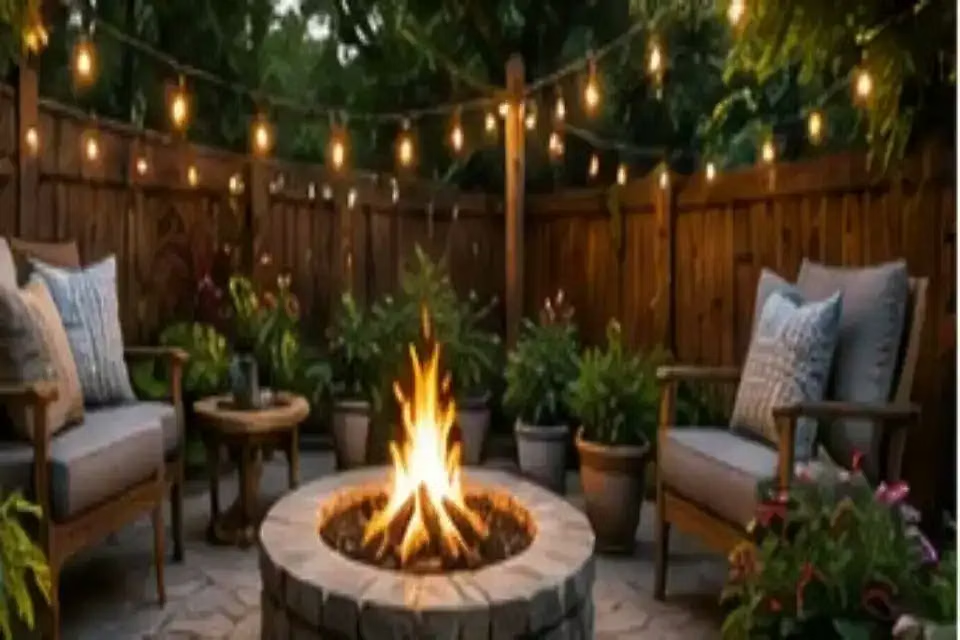
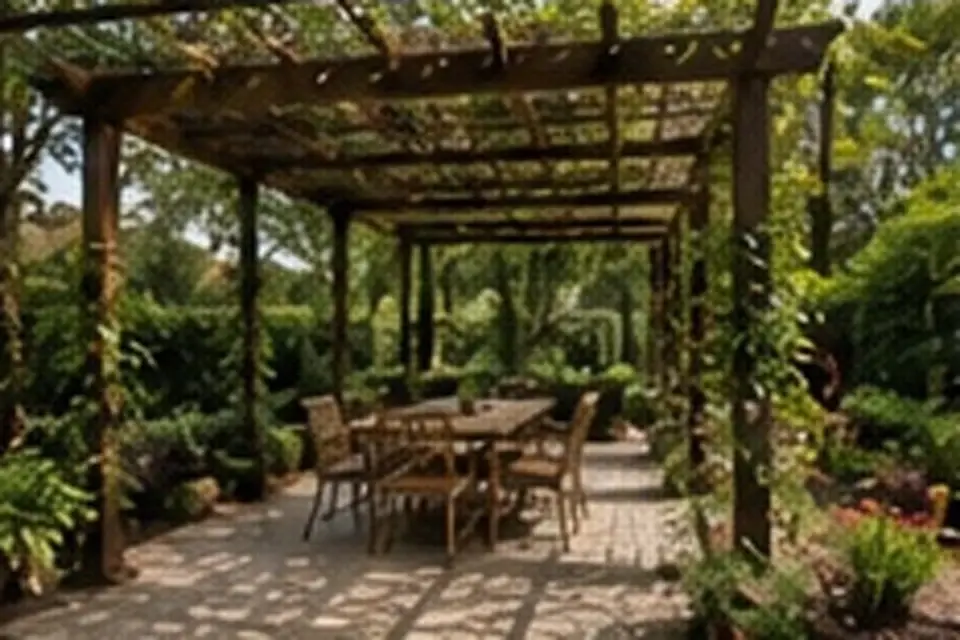
The transition from late summer to early fall is easy to miss because the yard may still look fully active. Patio furniture is still in use, containers are still flowering, and the garden may be producing vegetables. Yet this is exactly when a short review can prevent small summer problems from becoming winter problems.
Recent U.S. search signals around outdoor furniture, gardening, and seasonal outdoor living point to a practical late-summer moment: people are still using their outdoor spaces while beginning to think about the next season. Google Trends is not a maintenance calendar, but it can reveal when a subject is attracting attention. For the homeowner, the useful response is to turn that attention into a checklist based on the actual condition of the yard.
Start with the outdoor furniture
Inspect furniture before the first major weather change rather than waiting until you are ready to store it. Look for loose hardware, damaged finishes, cracked joints, rust, and cushions that are staying damp. Decide which pieces can remain outside and which should be moved under cover. If covers are used, clean and dry the furniture before covering it whenever practical.
If you are considering replacing furniture, late summer can be a useful shopping period because seasonal inventory often changes at this time. But measure first. Our guide to choosing outdoor furniture at the end of summer explains how to compare a discount with the actual needs of your patio.
Review the garden before growth slows
Walk the garden and identify what worked. Which plants handled the light well? Which areas stayed too wet or dried too quickly? Which paths became difficult to access? This is more useful than simply deciding which plants looked best. A successful garden is one that fits the conditions of the site and the amount of maintenance the household can provide.
Remove obviously dead or diseased material according to appropriate local guidance, but do not assume every fading plant needs to be removed immediately. Some plants provide habitat or seasonal interest. If you are unsure about a disease or pest issue, use a university extension or local horticultural service rather than guessing from a photograph alone.
Practical checkpoint
Take five photos from the places you normally stand in the yard. Use them later when planning fall work. Photos often reveal circulation problems, empty areas, or overgrown plants that are harder to notice while you are working inside the garden.
Check irrigation and hoses
Late summer is a good time to find irrigation problems because they are easier to see when plants are actively using water. Look for clogged emitters, broken sprinkler heads, leaks, and areas that remain unexpectedly dry. Adjustments should follow the needs of the plants and local conditions rather than simply increasing the watering schedule.
Inspect hoses and connections for cracks or leaks. In freezing climates, plan ahead for shutting off and draining exterior water connections according to local conditions and the home's plumbing design. Do not assume every house uses the same winterization method, particularly where frost-free hose bibs or special plumbing configurations are involved.
Prepare containers for the next weather pattern
Container plants often need a different transition plan from in-ground plants. Some can remain outside through cooler weather, while others need to move to protected locations. Check plant-specific temperature tolerance and decide where pots will go before the first cold night creates a rush.
Clean empty containers before storing them, and avoid leaving wet soil and plant debris in pots that will sit unused. If a container will be replanted, inspect the drainage holes and structural condition first. A cracked pot or blocked drain is easier to replace before it becomes part of a larger planting problem.
Clean and store garden tools
Late summer is also a convenient time to clean the tools that have accumulated soil and plant residue. Brush off dirt, inspect handles, clean cutting tools, and store everything in a dry location. If a tool is damaged, decide whether it needs repair or replacement before the next busy season rather than discovering the problem when you need it urgently.
Look at the house from the yard
Walk around the exterior and look for small maintenance issues while access is easy. Check exterior trim, visible caulk joints, deck surfaces, railings, and areas where water tends to collect. You do not need to diagnose a structural problem from a quick walk-around. The purpose is to notice changes early and decide whether a qualified professional should inspect them.
Pay particular attention to drainage. Water that repeatedly collects near the house, patio, or retaining feature can become more difficult to manage as weather changes. Do not start major excavation or structural drainage work based only on a visual guess. Significant drainage or foundation concerns deserve qualified evaluation.
Plan the fall work around what you actually use
The strongest seasonal checklist is not the longest one. If the household uses the patio daily, furniture and weather protection should be high on the list. If the garden is the main outdoor activity, focus on soil, plant health, irrigation, and seasonal planting. If the yard is mostly a passage between the house and driveway, access and lighting may matter more.
Use your observations to choose a small number of high-value tasks. A repaired gate that closes properly may matter more than a decorative project. A cleared path may matter more than another planting bed. Seasonal maintenance becomes sustainable when the list reflects how the household actually lives.
Use the transition to improve next year's plan
Write down what you wish had been easier. Maybe the hose storage was too far from the garden. Maybe the furniture cushions had nowhere dry to go. Maybe the watering system was difficult to adjust. These observations are more valuable than a generic list of outdoor trends because they are specific to your property.
DreamHomeGarden's spring maintenance checklist can be used as a companion for the next season, while our garden-bed winter preparation guide covers the planting side in more detail. The point is not to do everything at once. It is to use the seasonal transition as a natural review point.
Frequently asked questions
What should I do first at the end of summer?
Start with conditions that can worsen quickly: damaged furniture, drainage problems, irrigation leaks, unsafe structures, and plants that are under significant stress. Then move to storage and longer-term improvements.
Should I clean everything before fall?
Clean what will be stored or protected, and inspect what will remain outside. A short, targeted cleanup is more useful than moving every item simply because the season is changing.
When should I start preparing the garden for fall?
The timing depends on climate and what you grow. Use local extension guidance and the requirements of individual plants rather than treating the calendar date as a universal signal.