Create a more usable evening patio by layering low-voltage light where people actually walk, sit, and eat instead of trying to illuminate everything equally.
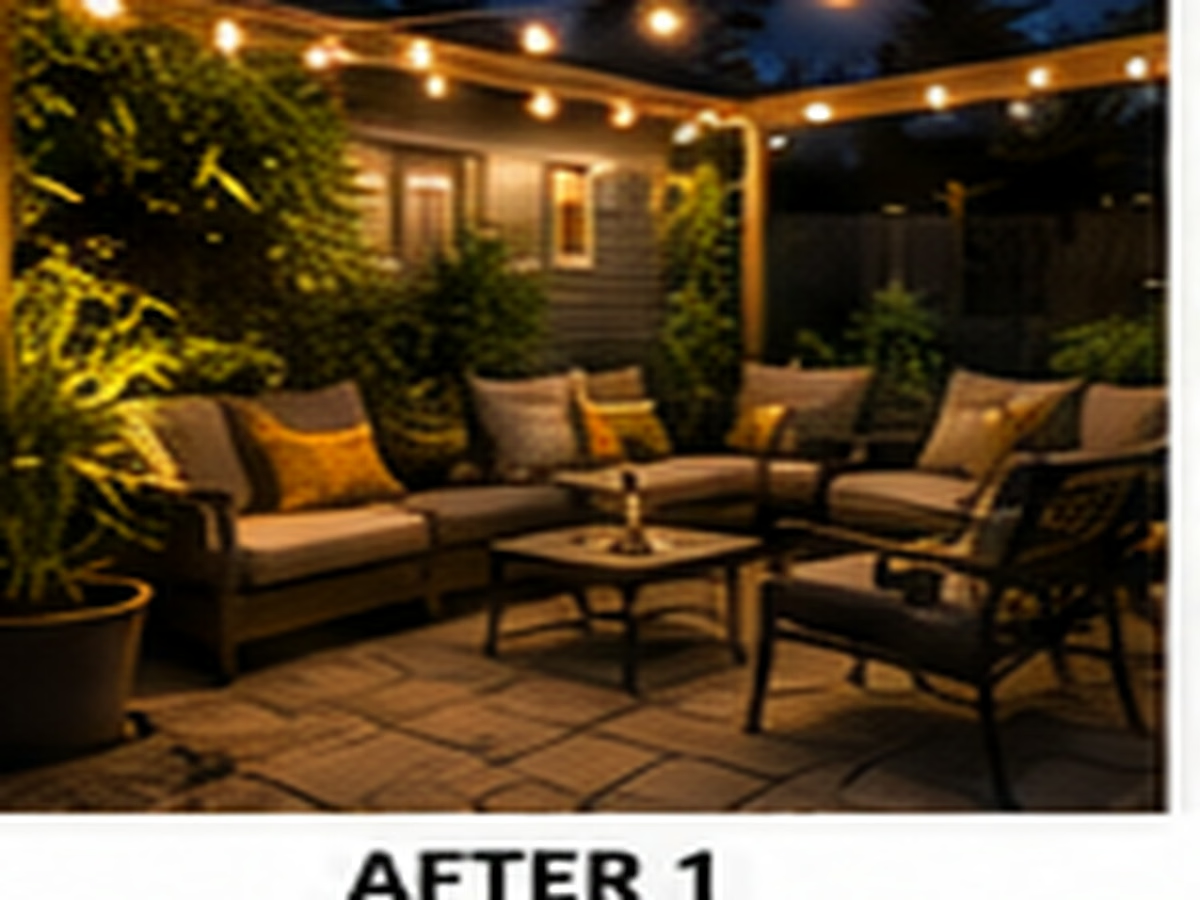
Light the movement first
A patio becomes easier to use when the lighting answers basic movement questions. People need to see steps, edges, transitions, and the route between the house and seating area before they need decorative sparkle. Start with the points where someone could trip, miss a step, or walk into a planter.
Use lower-level lights along paths and at changes in elevation, then add softer light to seating and dining zones. This creates visual hierarchy instead of a bright blanket of light. When everything is equally bright, the patio can actually feel flatter and less comfortable.
Compare finishes and furnishings by wear, cleaning, scale, and how they feel in the room’s actual light. Measure the usable dimensions, including the space needed for cabinet doors and drawers to open. Choose storage that keeps everyday objects reachable and seasonal items out of the main path, and confirm that any heavy wall-mounted piece has suitable fixing points.
Build three layers of evening light
Think in three layers: circulation, task, and atmosphere. Circulation lighting marks paths and steps. Task lighting helps with cooking or serving food. Ambient or accent lighting creates warmth around seating and planting. Keeping those jobs separate makes it easier to adjust the mood without turning off necessary safety light.
String lights can contribute to the ambient layer, but they should not be expected to solve every lighting problem. Combine them with path fixtures or low-level accents where needed. The best patio lighting often looks modest in daylight because fixtures are placed to support the experience rather than become the feature.
Use warm light intentionally
Warm color temperature generally feels more relaxed in a backyard than very cool, daylight-like light. Choose fixtures consistently enough that the patio does not develop competing colors of white. A few different light sources can still work together when the overall tone is coherent.
Avoid placing bright fixtures directly in people’s eyes. Shielded or downward-oriented lights are often more comfortable than exposed bulbs at eye level. Check the patio from seated and standing positions; a light that looks harmless from the ground can become glaring when it is at eye height across a table.
Plan wire runs and weather exposure
Low-voltage systems still need thoughtful planning. Keep connections protected from water, route cable where it is unlikely to be cut by edging tools, and avoid placing cords where they become a trip hazard. Outdoor electrical work should follow the instructions for the equipment and the applicable local rules.
Before fixing fixtures permanently, place them temporarily and test the scene after dark. This is one of the easiest ways to catch overlighting. You may discover that one well-positioned fixture does more than three small lights placed randomly.
Finish with the details that make lighting feel designed
Repeat fixture types where the same function appears more than once. For example, use a consistent style for path lights and a different, but compatible, style for table or wall lighting. This creates order even in a casual backyard.
Keep plant growth in mind. Shrubs and vines can cover fixtures or change the light pattern within a season. Leave access around equipment and trim plants before they completely swallow the light source. Good patio lighting is not installed once; it is maintained as the garden grows.
A practical final check
Before buying additional fixtures, mark the patio on paper and divide it into movement, work, and relaxation zones. Then test one light at a time after dark. This avoids the common mistake of solving darkness by adding brightness everywhere. It also makes future changes easier because each fixture has a job. Keep a simple note of the transformer setting, fixture locations, and any cable routes you cannot disturb. When you change furniture or add plants, revisit the scene because the same light can become blocked or cause glare after the garden grows. A small, controlled lighting system is easier to maintain and usually feels more expensive than a crowded collection of unrelated fixtures.
Practical checkpoint
After dark, sit in the patio’s main seats and walk from the house to the yard. Adjust anything that creates glare, leaves a step hidden, or makes one area much brighter than the spaces around it.
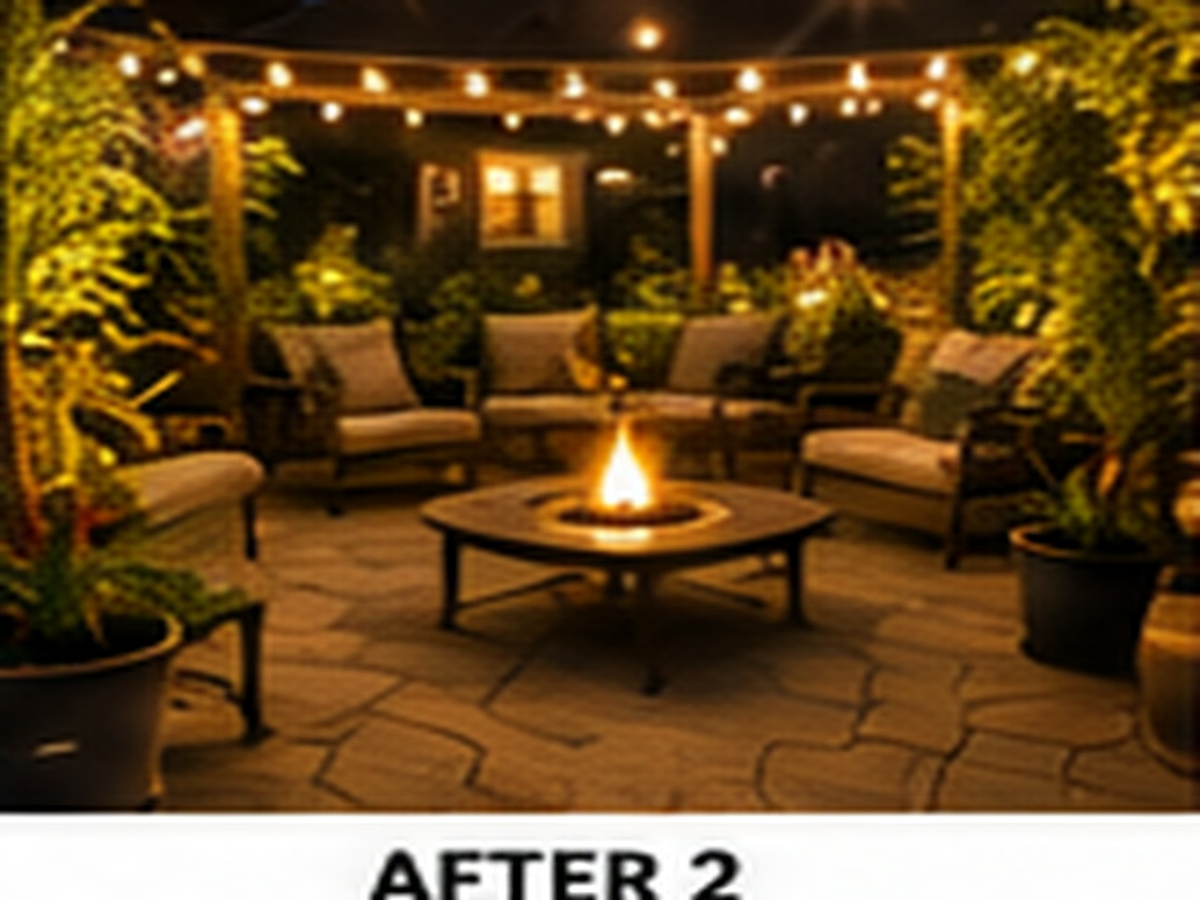
Make the patio readable, not simply brighter
Walk through the finished patio exactly as a guest would. Look for the transition from the door to the seating area, the edge of the dining zone, and any step down into the yard. If your eyes keep jumping toward a bright bulb instead of comfortably following the route, the lighting needs adjustment. Shielding, lower mounting heights, and fewer brighter focal points can make the space feel calmer while still keeping important surfaces visible.
It is also worth checking the scene from the places where you actually spend time. A fixture that looks balanced from the lawn may glare into your eyes from a lounge chair. Test the patio from several seated positions and turn off nearby indoor lights when evaluating the outdoor effect. A thoughtful lighting plan should help the patio feel connected to the home, not like a collection of isolated bright spots.
Work from the actual conditions
Frequently asked questions
How many lights does a patio need?
There is no universal number. Start with the places that need functional light, then add ambient sources where the space still feels dark. Position and shielding matter more than a high fixture count.
Are string lights enough for patio safety?
Usually they work best as ambient lighting rather than the only source. Steps, paths, and task areas may still need dedicated fixtures.
Should all outdoor lights be the same color?
They do not have to be identical, but a consistent overall light color helps different fixtures feel like one system rather than separate installations.
For the patio readable, not simply brighter, start with actual measurements and the routine the room needs to support. Confirm that doors, drawers, windows, outlets, and walking paths remain usable, then choose pieces that fit the clear space rather than the full wall measurement. Test the arrangement before buying accessories.
Keep work from the actual conditions connected to comfort and daily movement. Measure from finished surfaces, allow room for doors and chairs to move, and choose finishes that are practical to clean. Leave some flexible capacity so the room can adapt rather than filling each corner with another item.