

A fire pit does more to extend a backyard's usable evening hours, especially into cooler months, than almost any other single addition. But it's also one of the few backyard projects with genuine safety and regulatory considerations that are worth understanding before the first shovel goes into the ground.
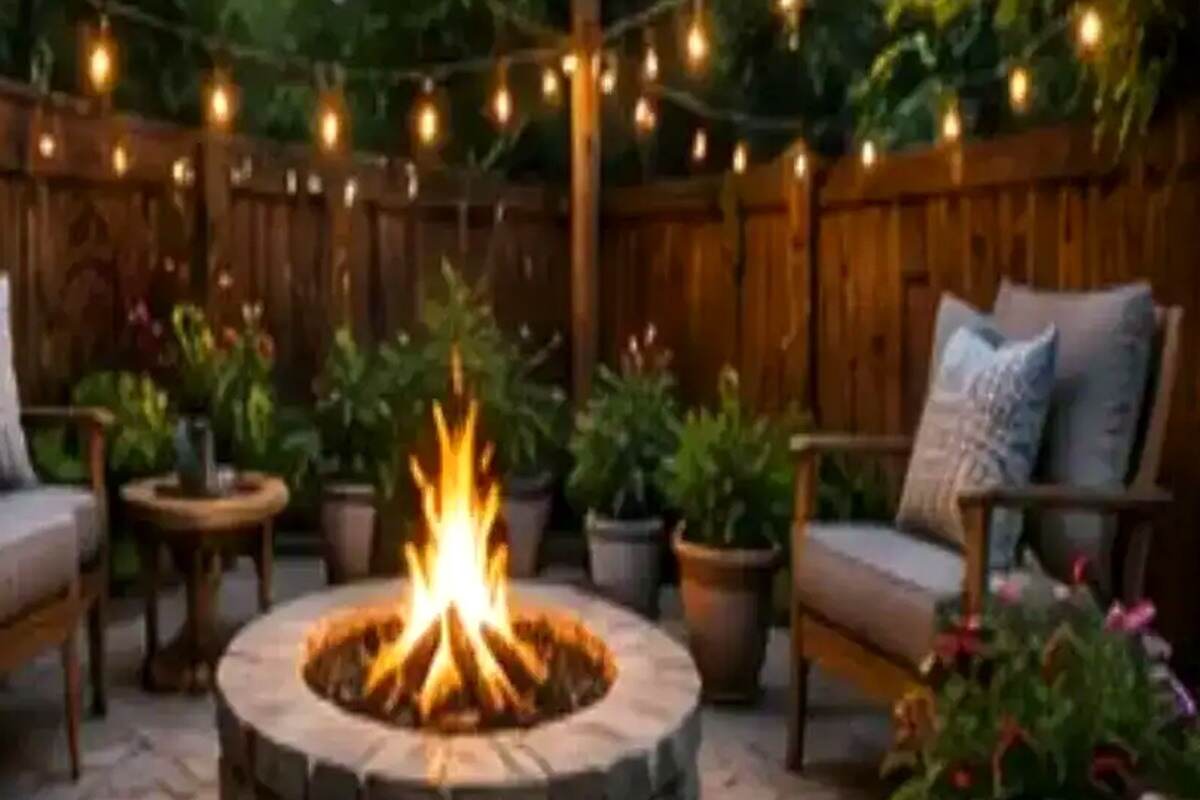
Check local regulations before anything else
Many municipalities regulate wood-burning fire pits specifically — minimum distance from structures, fences, and property lines; permitted burning hours; sometimes an outright ban during dry seasons or in certain zoning districts. A quick call to your local fire department or a check of your municipal website avoids building something that later has to be modified or removed. Gas fire pits often face fewer restrictions and are generally simpler to get approved, which is part of why they've become the more popular choice in many suburban areas.
Practical checkpoint
Before moving on, make sure Check local regulations before anything else is working for the space described in this guide.
Choose wood-burning or gas based on how you'll actually use it
Wood-burning fire pits offer the classic crackling fire experience and the option to cook directly over the flame, but require sourcing and storing firewood, produce smoke that can bother neighbors or drift into seating areas depending on wind, and need more active management and cleanup. Gas fire pits light instantly, produce no smoke or ash, and are easier to control, but need a gas line (natural gas) or propane tank refills, and lack the same wood-fire ambiance and cooking versatility some people specifically want.
Get the distance-from-structures rule right
As a general guideline that many local codes reflect, a fire pit should sit at least 10 feet from any structure, fence, or overhanging tree branches, though specific local requirements can differ and should take precedence. This distance protects against both direct heat damage and ember-carried fire risk, which is a genuine concern in dry conditions or windy areas.
A fire pit built in the wrong spot is a liability. Built in the right spot, to the right specifications, it's one of the best-used features a backyard can have.
Build on a genuinely non-combustible base
Grass, mulch, or wood decking directly under a fire pit is a real fire risk regardless of how careful you are with the fire itself. A base of pavers, gravel, sand, or poured concrete, extending at least a foot or two beyond the fire pit's edge in all directions, provides the non-combustible buffer a fire pit genuinely needs, whether it's a simple in-ground pit or a purchased above-ground unit.
Choose fire-rated materials for the pit structure itself
Standard concrete pavers or blocks not specifically rated for fire exposure can crack, spall, or even explode when subjected to the sustained heat of a fire pit — a genuinely dangerous failure mode. Fire-rated brick, fire-rated concrete blocks, or a purpose-built fire pit ring or insert are worth the modest additional cost over standard landscaping materials for anything that will hold an actual sustained fire.
Plan seating distance and sightlines together
Seating placed too close to a fire pit becomes uncomfortably hot; placed too far, it undermines the gathering feeling a fire pit is meant to create. A rough guideline of 3 to 4 feet from the fire pit's edge to the nearest seating generally balances warmth against comfort, though this varies with the pit's size and typical fire intensity.
Basic safety equipment worth having nearby
A garden hose or bucket of water, and for wood-burning pits, a metal fire poker and a spark screen to catch embers, particularly important in dry or windy conditions or near dry landscaping.
Consider wind patterns in your final placement
Observe how wind typically moves through your specific yard before finalizing fire pit placement — smoke and sparks carried toward a seating area, a neighbor's yard, or dry landscaping is one of the most common sources of fire pit regret. A slightly different placement, even by a few feet, can make a meaningful difference in how usable and pleasant the space actually is.
Pairing a fire pit with the rest of your outdoor living space
A fire pit rarely works well as an isolated feature; it's usually most successful as part of a broader outdoor living plan that also accounts for shade, seating, and weather protection, the kind of decisions covered in our guide to pergolas, gazebos, and screened porches. Positioning a fire pit within view of, but not directly under, an overhead structure keeps smoke from being trapped while still letting the seating area benefit from nearby shade during the day and warmth in the evening.
Fuel choice affects more than convenience
Wood-burning fire pits produce genuine ambiance, crackling, scent, visible flame movement, that gas alternatives don't fully replicate, but they also produce more smoke, require sourcing and storing firewood, and take longer to light and extinguish safely. Gas fire pits light instantly, have no smoke, and are easier to control precisely, but running a gas line or refilling propane tanks is an ongoing consideration a wood-burning pit doesn't have. Neither option is objectively better; the right choice depends on how much the ritual of tending a wood fire matters to you versus the convenience of instant, controllable heat.
Frequently asked questions
Do I need a permit to build a fire pit?
It varies by municipality — some require a permit for any permanent fire pit installation, others only regulate use rather than construction, and some have no specific requirement at all. Checking with your local building or fire department before starting avoids having to modify or remove a completed project.
Is a portable fire pit a safer alternative to a built-in one?
A quality portable fire pit, used on an appropriate non-combustible surface and kept the recommended distance from structures, can be just as safe as a built-in one, and it offers the flexibility of easy relocation or removal — a genuine advantage for renters or anyone uncertain about long-term placement.
How do I know if my yard is even suitable for a fire pit?
Beyond checking local regulations, consider your yard's typical wind patterns, proximity to structures and dry vegetation, and whether local drought or burn-ban conditions are common in your area during the seasons you'd most want to use it — all factors worth weighing honestly before investing in a build.
Can I cook food directly over a backyard fire pit?
Wood-burning pits can support cooking with the right accessories (a grate, tripod, or cast iron cookware rated for open flame), while most gas fire pits are designed purely for ambiance and aren't built to handle direct food contact — check manufacturer guidance before attempting to cook over a gas unit.